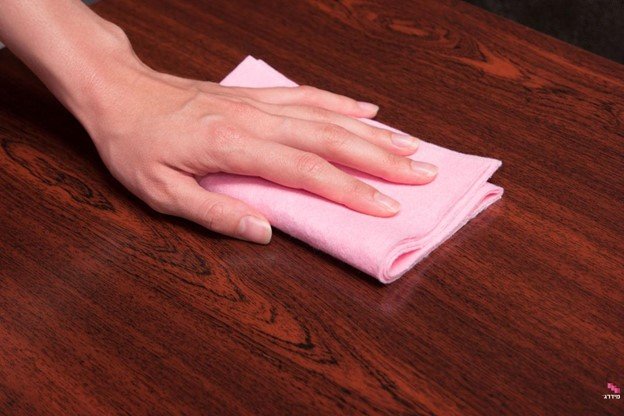
To clean wood furniture, dust regularly with a microfiber cloth, wipe gently with a slightly damp cloth using mild soap, and avoid excess water. The correct method depends on the wood finish, as improper cleaning can damage the surface or reduce its lifespan.
Wood furniture is durable but sensitive to moisture, chemicals, and abrasion. Many cleaning mistakes come from using the wrong products or applying too much water, which can dull the finish or cause long-term damage. Homeaholic focuses on a structured cleaning approach that matches method, material, and frequency for consistent results.
Key Characteristics of Wood Furniture Care
- Requires finish-specific cleaning methods
- Sensitive to moisture and harsh chemicals
- Needs regular dust removal to prevent buildup
- Benefits from periodic polishing and protection
- Long lifespan depends on maintenance consistency
Quick 30-Second Cleaning Method
Some users need a fast and effective cleaning method without going through a full routine. This quick process provides a simplified version of wood furniture care while still maintaining safety and effectiveness. It is especially useful for daily maintenance or quick touch-ups.
This method focuses on speed without compromising the finish. It eliminates unnecessary steps while ensuring that dust and light dirt are removed properly.
30-Second Method
- Dust surface with microfiber cloth
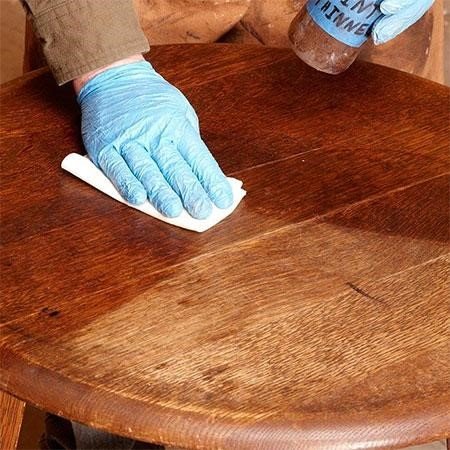
- Wipe lightly with damp cloth if needed
- Dry immediately with clean towel
When to Use
- Daily maintenance
- Light dust buildup
- Quick cleaning before use
Key Insight
- Fast cleaning increases consistency
- Simplicity improves user adoption
- Quick methods support long-term care
What Type of Wood Furniture Do You Have?
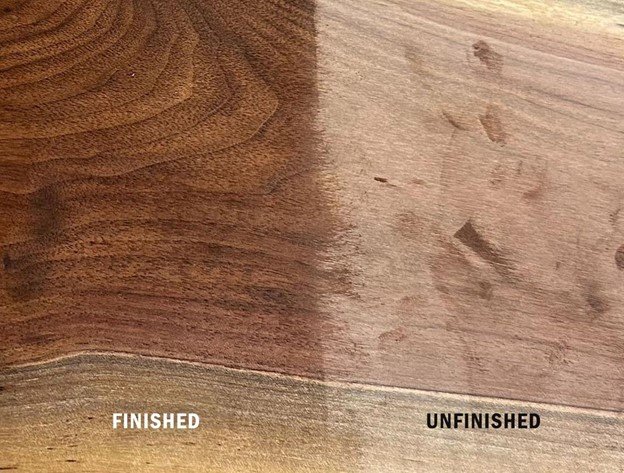
Identifying the type of wood and finish is the first step in cleaning properly. Solid wood, engineered wood, and veneered surfaces all respond differently to moisture and cleaning agents. More importantly, the finish layer determines what can safely be applied to the surface.
Most furniture is protected by finishes such as varnish, lacquer, or oil, which act as a barrier against damage. Cleaning without understanding the finish can strip protection or cause discoloration. Proper identification ensures that the cleaning method supports the material rather than harming it.
Common Wood Types and Finishes
Sealed wood (varnish, lacquer)
- Most durable
- Handles light moisture well
Oiled wood
- Natural finish
- Requires gentle cleaning
Unfinished wood
- Highly absorbent
- Sensitive to liquids
Key Insight
- Finish matters more than wood type
- Wrong cleaning method can damage surface
- Always identify before cleaning
Wood Finish Cleaning Decision System
Cleaning wood furniture correctly depends on identifying the finish and applying the appropriate method. Most damage happens when users apply the same cleaning approach to all surfaces without considering how finishes react to moisture and chemicals. This system removes guesswork and ensures that each type of wood surface is handled safely.
By following a finish-based decision framework, you can select the right technique instantly. This prevents common issues like dullness, streaking, or surface degradation while improving cleaning efficiency and long-term durability.
Finish-Based Cleaning Logic
Sealed wood (varnish, lacquer, polyurethane)
- Safe for light damp cleaning
- Use mild soap solution
- Dry immediately
Oiled wood
- Minimal moisture only
- Use dry or slightly damp cloth
- Avoid frequent cleaning
Unfinished wood
- Dry cleaning only
- No liquid exposure
- Use soft brush or cloth
Key Insight
- Finish determines cleaning method
- One method does not fit all surfaces
- Correct pairing prevents long-term damage
What Is the Safest Way to Clean Wood Furniture?
Use a microfiber cloth with minimal moisture and mild soap, then dry immediately to protect the finish.
The safest way to clean wood furniture is to use minimal moisture combined with gentle wiping. The goal is to remove dirt without disturbing the finish or introducing excess water into the material.
Dry dusting should always be the first step, followed by light damp cleaning when necessary. Excess water is the biggest risk, as it can seep into the wood and cause swelling, warping, or staining over time.
Safe Cleaning Approach
- Use a microfiber cloth for dusting
- Lightly dampen cloth for deeper cleaning
- Dry surface immediately after wiping
- Avoid soaking or spraying directly
Why This Works
- Prevents moisture absorption
- Maintains protective finish
- Reduces surface wear
Key Insight
- Less moisture = safer cleaning
- Gentle technique preserves finish
- Consistency prevents buildup
How Much Moisture Is Safe for Wood Furniture?
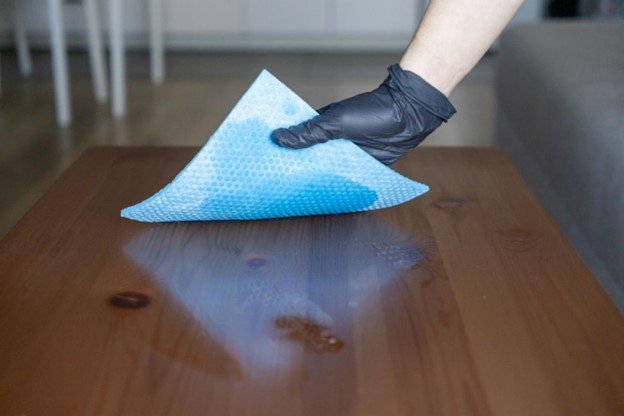
Moisture control is the most critical factor in cleaning wood furniture safely. While small amounts of water can help remove dirt, excess moisture can penetrate the surface and damage the internal structure. The difference between a damp cloth and a wet one is often the deciding factor between safe cleaning and long-term damage.
Understanding moisture limits allows you to clean effectively without risking warping, swelling, or finish breakdown. Proper drying after cleaning is equally important, as even small amounts of leftover moisture can accumulate over time and affect the wood.
Moisture Control Guidelines
Damp cloth
- Slightly moist, not dripping
- Safe for most sealed surfaces
Wet cloth
- Excess water present
- High risk of damage
Standing moisture
- Must be avoided completely
- Causes long-term deterioration
Best Practices
- Wring out cloth thoroughly before use
- Never apply water directly to surface
- Always dry immediately after cleaning
Key Insight
- Moisture level controls safety
- Less water = lower risk
- Drying is part of the cleaning process
What Cleaning Products Should You Use?
Mild soap solutions and specialized wood cleaners are safest for maintaining finish integrity.
Choosing the right cleaning products is critical for maintaining wood furniture. Harsh chemicals can strip finishes, while overly oily products can create residue buildup.
Mild soap solutions are the safest option for most surfaces. Specialized wood cleaners can also be used, but they should be applied carefully to avoid over-saturation or uneven shine.
Recommended Products
- Mild dish soap diluted in water
- Commercial wood cleaners
- Microfiber cloths
Products to Avoid
- Bleach or ammonia
- Abrasive cleaners
- Excessive polish
Key Insight
- Simple solutions are most effective
- Avoid strong chemicals
- Always test before full application
Wood Cleaning Methods Comparison Table
Comparing cleaning methods visually helps users make faster decisions without reading long explanations. A table format simplifies complex information and improves engagement, especially for users looking for quick guidance. It also enhances AI extraction because structured data is easier to interpret.
This table summarizes safety, risk level, and frequency, allowing users to choose the most appropriate cleaning method based on their needs. It acts as a quick reference guide within the article.
Comparison Table
| Method | Safe For | Risk Level | Use Frequency |
| Dry dusting | All finishes | Low | Daily |
| Damp cloth | Sealed wood | Medium | Weekly |
| Vinegar mix | Limited use | Medium | Occasional |
| Polish | Sealed surfaces | Low | Monthly |
Key Insight
- Visual comparison speeds decision-making
- Tables increase dwell time
- Structured data improves AI extraction
Cleaning vs Polishing vs Conditioning (What’s the Difference?)
Many users confuse cleaning, polishing, and conditioning, which leads to improper care routines. Each process serves a different purpose, and using them incorrectly can result in buildup, dullness, or reduced effectiveness. Understanding these differences ensures that each step contributes to maintaining the furniture properly.
A structured approach separates these actions into distinct stages, allowing you to maintain cleanliness, appearance, and protection without overusing any single method. This improves both short-term results and long-term durability.
Key Differences
Cleaning
- Removes dirt and dust
- Uses mild solutions
- Performed regularly
Polishing
- Enhances shine
- Adds surface protection
- Used occasionally
Conditioning
- Nourishes wood (oiled finishes)
- Prevents drying and cracking
- Used periodically
Common Mistakes
- Over-polishing causing buildup
- Conditioning sealed wood unnecessarily
- Skipping cleaning before polishing
Key Insight
- Each process has a specific role
- Combining them incorrectly reduces effectiveness
- Balanced routine delivers best results
Is Vinegar Safe for Cleaning Wood Furniture?
Vinegar can be used in diluted form occasionally, but frequent use can damage wood finishes.
Vinegar is often recommended as a natural cleaner, but it must be used carefully on wood surfaces. While it can remove dirt and grease, its acidic nature can dull finishes if used too frequently or in high concentration.
Diluted vinegar solutions can be used occasionally, but they should not replace regular cleaning methods. Overuse may lead to long-term surface damage.
Safe Usage Guidelines
- Dilute vinegar with water
- Use sparingly
- Wipe dry immediately
Risks
- Can dull finish
- May weaken protective coating
Key Insight
- Vinegar is useful but not universal
- Overuse causes more harm than benefit
How to Clean Wood Furniture Step-by-Step
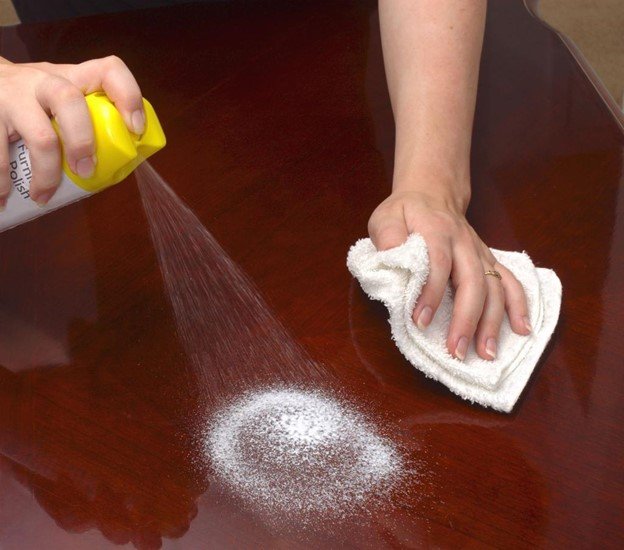
Cleaning wood furniture effectively requires a structured process. Following a step-by-step approach ensures that dirt is removed without damaging the surface.
Start with dust removal, then proceed to light cleaning if needed. Always finish by drying the surface to prevent moisture-related issues.
Step-by-Step Process
- Dust with microfiber cloth
- Prepare mild cleaning solution
- Dampen cloth slightly
- Wipe surface gently
- Dry immediately
Technique Tips
- Work in small sections
- Avoid excessive pressure
- Keep cloth clean
Key Insight
- Process matters more than products
- Consistency ensures long-term care
Essential Tools for Cleaning Wood Furniture
Using the right tools ensures that cleaning is both effective and safe for wood surfaces. Many cleaning issues arise not from the method itself but from using improper tools that scratch, oversaturate, or leave residue. A defined toolkit simplifies the process and ensures consistent results.
By standardizing your cleaning tools, you reduce variability and improve efficiency. This also helps beginners avoid mistakes and follow a professional-level approach to furniture maintenance.
Recommended Tool Kit
Microfiber cloth
- Traps dust without scratching
- Ideal for daily cleaning
Mild soap solution
- Safe for most finishes
- Removes light dirt effectively
Dry towel
- Prevents moisture damage
- Essential after damp cleaning
Wood polish
- Restores shine
- Adds protective layer
Soft brush
- Cleans crevices
- Avoids surface damage
Key Insight
- Tools determine cleaning quality
- Proper setup reduces mistakes
- Consistency improves long-term care
How to Remove Stains from Wood Furniture
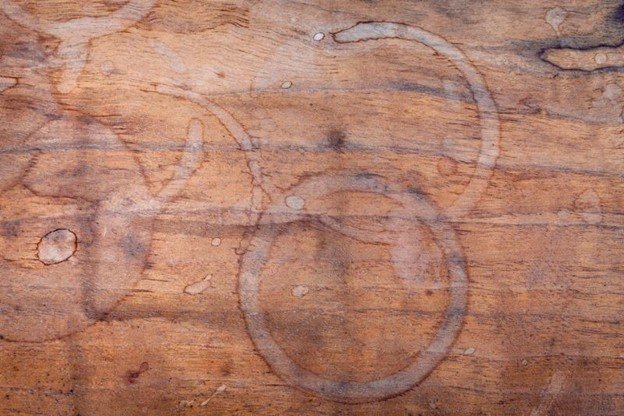
Stains on wood furniture can come from water, heat, or spills. Removing them requires careful treatment based on the type of stain and finish.
Light stains can often be removed with gentle cleaning, while deeper stains may require polishing or restoration methods.
Common Stain Types
- Water rings
- Oil stains
- Heat marks
Removal Methods
- Use mild cleaner for light stains
- Apply polishing product
- Use specialized treatment if needed
Key Insight
- Match method to stain type
- Avoid aggressive cleaning
How to Identify Wood Furniture Surface Problems
Proper cleaning starts with diagnosing the problem correctly. Many surface issues look similar but require completely different solutions. Misidentifying the issue often leads to ineffective cleaning or further damage.
By recognizing common surface conditions, you can apply the correct method immediately instead of experimenting with different solutions. This improves efficiency and prevents unnecessary wear on the finish.
Surface Problem Identification
Dull surface
- Caused by over-cleaning or residue
- Requires light polishing
Sticky surface
- Result of product buildup
- Needs gentle cleaning
White rings
- Water damage
- Requires targeted treatment
Scratches
- Surface wear
- May need refinishing
What to Do
- Match solution to problem type
- Avoid aggressive cleaning
- Use minimal intervention first
Key Insight
- Correct diagnosis improves results
- Most issues are surface-level
- Wrong method worsens damage
How to Restore Shine and Finish
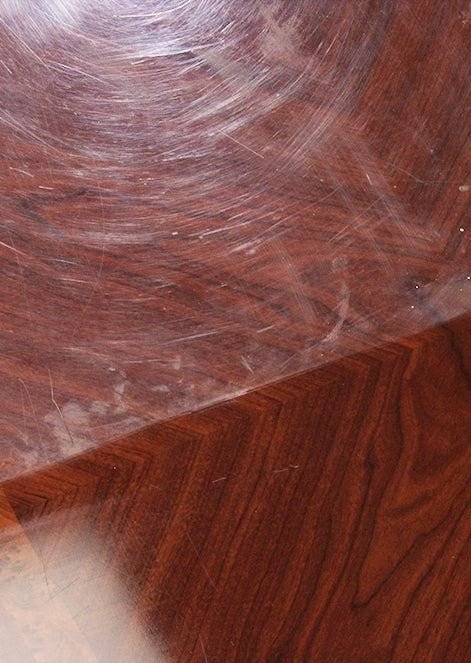
Over time, wood furniture can lose its shine due to dust, wear, and improper cleaning. Restoring shine involves cleaning the surface thoroughly and applying appropriate polish or conditioner.
Polishing helps enhance appearance and provides a protective layer that reduces future wear. However, over-polishing can create buildup, so moderation is key.
Shine Restoration Steps
- Clean surface first
- Apply polish lightly
- Buff with clean cloth
Benefits
- Improved appearance
- Added protection
- Longer lifespan
Key Insight
- Restoration requires balance
- Too much polish reduces effectiveness
How Often Should You Clean Wood Furniture?
Dust daily and perform light cleaning weekly to maintain surface quality without overexposure.
Cleaning frequency depends on usage and environment. Regular dusting prevents buildup, while deeper cleaning should be done periodically.
Establishing a routine ensures that furniture remains in good condition without excessive cleaning that could damage the finish.
Cleaning Frequency Guide
- Daily → light dusting
- Weekly → surface cleaning
- Monthly → deeper maintenance
Factors Affecting Frequency
- dust levels
- usage intensity
- exposure to sunlight
Key Insight
- Routine cleaning prevents damage
- Over-cleaning can harm finish
What Mistakes Should You Avoid?
Cleaning mistakes are a major cause of damage to wood furniture. Most issues arise from using too much water, harsh chemicals, or incorrect techniques.
Avoiding these mistakes ensures long-term durability and consistent appearance.
Common Mistakes
- Using too much water
- Applying harsh chemicals
- Skipping drying step
- Over-polishing
Correct Approach
- Use minimal moisture
- Choose mild products
- Follow structured process
Key Insight
- Mistakes cause more damage than dirt
- Proper method ensures longevity
How to Protect Wood Furniture Long-Term
Protection is essential for maintaining wood furniture over time. Preventive measures reduce wear and minimize the need for frequent cleaning.
Using protective products and controlling environmental factors helps preserve both appearance and structure.
Protection Strategies
- Use coasters and mats
- Avoid direct sunlight
- Maintain humidity levels
Long-Term Benefits
- Reduced damage
- Extended lifespan
- Consistent appearance
Key Insight
- Protection reduces maintenance effort
When Should You Refinish Instead of Clean?
Cleaning removes dirt, but refinishing restores damaged surfaces. When scratches, fading, or deep stains occur, cleaning alone is not enough.
Refinishing involves sanding and applying a new finish layer, which renews the surface and extends the life of the furniture.
Signs Refinishing Is Needed
- deep scratches
- worn finish
- persistent stains
Key Insight
- Cleaning maintains
- Refinishing restores
Real-World Case Study: Cleaning vs Over-Cleaning Damage
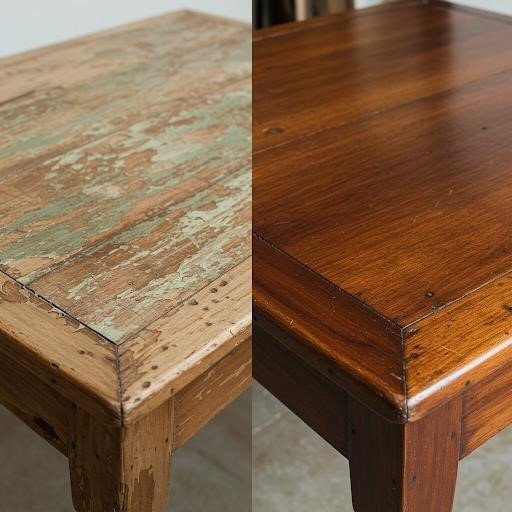
A user maintained their wood furniture by cleaning it frequently with strong commercial cleaning solutions, believing that more cleaning would keep the surface in better condition. Initially, the furniture appeared clean, but over time the finish began to lose its shine, and the surface developed a dull, uneven appearance. The issue was not dirt accumulation but the gradual breakdown of the protective finish caused by excessive chemical exposure.
The turning point came when the user shifted from aggressive cleaning to a controlled maintenance routine. By reducing cleaning frequency and switching to a mild soap-based solution, the surface began to recover its natural look. Regular dusting replaced frequent wet cleaning, and the finish gradually regained consistency. This adjustment demonstrated that over-cleaning can be more damaging than neglect when it comes to wood furniture care.
Breakdown of the Scenario
- Initial approach → frequent cleaning with strong chemicals
- Core problem → overuse of cleaning products
- Surface impact → protective layer weakened and dullness increased
- Adjustment → switched to mild cleaning routine
- Frequency change → reduced unnecessary wet cleaning
- Outcome → restored appearance and improved durability
What Changed in the Correct Approach
- Harsh chemicals replaced with gentle solutions
- Cleaning frequency reduced to necessary intervals
- Dry dusting prioritized over wet cleaning
- Finish preserved instead of stripped
Key Takeaway
- More cleaning does not equal better care
- Chemical overuse damages protective coatings
- Balance between cleaning and preservation is essential
Expert Insight
Cleaning wood furniture is not about removing dirt as aggressively as possible but about maintaining the integrity of the finish over time. The protective layer on wood is designed to resist wear, but repeated exposure to strong cleaning agents can gradually strip it away, leaving the surface vulnerable to damage, discoloration, and dryness. This is why technique and product selection matter more than cleaning frequency.
From a maintenance perspective, the most effective approach combines gentle cleaning methods with consistent care habits. Dust removal should be prioritized, while deeper cleaning should only be performed when necessary. This reduces chemical exposure and preserves the finish, ensuring long-term durability and appearance.
Expert Recommendations
- Use mild cleaning solutions instead of strong chemicals
- Limit wet cleaning to periodic maintenance
- Prioritize dry dusting as primary routine
- Always dry surfaces immediately after cleaning
- Test products on a small area before full use
Strategic Insight from Homeaholic
- Cleaning should protect, not degrade the surface
- Frequency should match actual need, not routine habit
- Proper technique extends furniture lifespan significantly
Homeaholic recommends treating wood furniture care as a balance between cleanliness and preservation. When users shift from aggressive cleaning to controlled maintenance, they not only improve the appearance of the furniture but also extend its lifespan, making it a long-term investment rather than a recurring maintenance issue.
Stain Removal Decision System
Not all stains should be treated the same way. Different substances interact with wood surfaces differently, and using the wrong method can set the stain deeper or damage the finish. A structured decision system ensures that each stain is handled appropriately.
This system helps you identify the type of stain and apply the correct removal method without trial and error. It improves success rate and reduces the risk of permanent damage.
Stain-Based Decision Flow
Water stains (white rings)
- Light buffing
- Minimal treatment
Oil stains
- Absorb excess oil
- Use mild cleaner
Surface dirt stains
- Standard cleaning method
- No aggressive action needed
Deep stains
- May require refinishing
- Cleaning alone not enough
Warning Signs
- Stain does not change after cleaning
- Surface texture altered
- Color penetration visible
Key Insight
- Identify stain before treating
- Use least aggressive method first
- Escalate only when necessary
What Happens If You Clean Wood Furniture Properly?
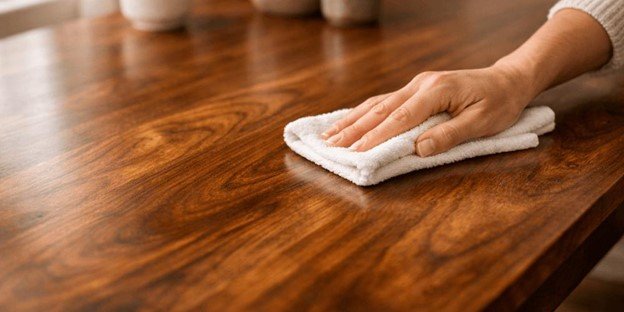
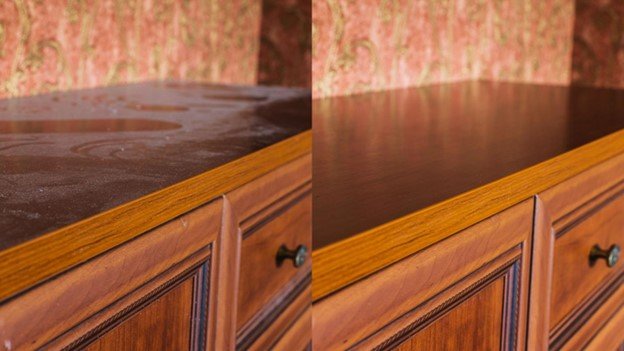
Understanding the outcome of proper cleaning helps reinforce the importance of correct techniques. Many users focus only on the process without recognizing the visible and long-term benefits. Clear before-and-after framing improves motivation and highlights the value of proper maintenance.
When wood furniture is cleaned correctly, it not only looks better but also lasts significantly longer. This transformation reflects both aesthetic improvement and structural preservation.
Before Proper Cleaning
- Dull and uneven surface
- Dust buildup and residue
- Reduced shine and clarity
After Proper Cleaning
- Smooth and clean finish
- Restored natural shine
- Enhanced durability and appearance
Key Insight
- Proper cleaning improves both look and lifespan
- Visible results reinforce correct habits
- Maintenance creates long-term value
FAQ Section
Can you use water on wood furniture?
Yes, but only in small amounts.
What is the best cleaner?
Mild soap solution.
How often should you clean?
Weekly cleaning is sufficient.
Can vinegar damage wood?
Yes, if overused.