
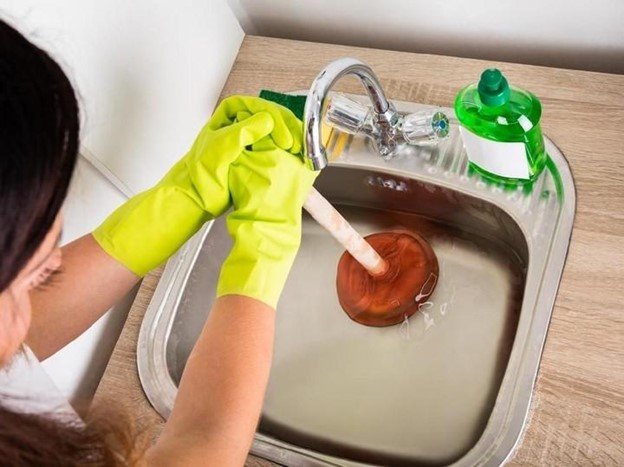
A clogged kitchen sink happens when grease, food waste, or debris blocks the drain or pipes, preventing water from flowing properly. The fastest way to fix it is to identify the clog type and apply the right method such as boiling water, baking soda and vinegar, plunging, or using a drain snake. Severe clogs may require pipe cleaning or a plumber.
Quick Summary
- Most clogs are caused by grease and food buildup
- Slow drain = early clog, standing water = severe clog
- Boiling water + baking soda works for light clogs
- Plunger or drain snake is needed for deeper blockages
- Prevent clogs by avoiding grease and solid waste in drains
Why Is My Kitchen Sink Clogged?
A kitchen sink clogs when substances accumulate inside the drain pipe and restrict water flow. The most common cause is grease. When hot grease goes down the drain, it cools and solidifies, sticking to pipe walls. Over time, food particles attach to this layer and create a blockage.
Another major cause is food waste. Items like rice, pasta, coffee grounds, and vegetable peels expand or clump together inside pipes. These materials do not break down easily and often lead to slow drainage before becoming a full clog.
Soap residue also contributes to buildup. In areas with hard water, soap combines with minerals to form a sticky layer inside pipes. This layer traps debris and accelerates clog formation.
Foreign objects are another factor. Small plastic pieces, bones, or packaging accidentally washed into the sink can block the P-trap or pipe bends. These clogs are usually sudden and more severe.
Old plumbing systems increase the risk. Narrow pipes, corrosion, and mineral buildup reduce water flow capacity, making clogs more frequent.
Understanding the cause is critical. Each type of clog behaves differently, and using the wrong method can make the situation worse instead of fixing it.
How Do You Diagnose the Type of Clog?
Identifying the clog type determines the correct solution. Without diagnosis, you risk applying ineffective methods.
A clogged kitchen sink can be diagnosed by observing water behavior such as slow draining, standing water, or gurgling sounds. These symptoms indicate the location and severity of the blockage.
Diagnosis Framework
1. Slow Drain
If water drains slowly, the clog is forming but not complete. This usually indicates grease or soap buildup near the upper pipe.
2. Standing Water
If water does not drain at all, the clog is severe. The blockage is likely deep inside the pipe or in the P-trap.
3. Gurgling Sound
Air bubbles or gurgling noises indicate a venting issue or partial blockage restricting airflow.
4. Water Backflow
If water comes back up after draining, the blockage is deeper in the main drain line.
Real Insight
Most DIY failures happen because users treat all clogs the same. A slow drain can be fixed easily, but a deep blockage requires tools like a drain snake.
Correct diagnosis saves time and prevents pipe damage.
Where Is the Clog Located in a Kitchen Sink System?
Most users try to fix a clogged kitchen sink without understanding where the blockage actually exists. This leads to ineffective methods and repeated failures. A kitchen sink drain system has multiple points where clogs can form, and identifying the correct location dramatically improves success rate.
The first and most accessible clog point is the sink drain opening. This is where food particles, grease residue, and soap accumulate. Light clogs usually form here and are easier to clear using boiling water or basic cleaning methods.
The second and most common location is the P-trap, the curved pipe beneath the sink. Its design intentionally holds a small amount of water to block sewer gases, but this curve also traps grease, food debris, and solid waste. Studies and plumbing data show that nearly 70–80% of kitchen sink clogs occur in this section.
Further down is the horizontal drain pipe, where grease buildup becomes more severe. Over time, layers of hardened grease narrow the pipe diameter, leading to recurring slow drainage issues.
The most serious clogs occur in the main drain line. These affect multiple fixtures and often result in water backing up into sinks. These clogs require advanced tools or professional intervention.
Understanding these locations allows you to match the right solution to the problem. Surface-level clogs respond to simple fixes, while deeper clogs require mechanical tools or professional cleaning.
How to Unclog a Kitchen Sink Step by Step?
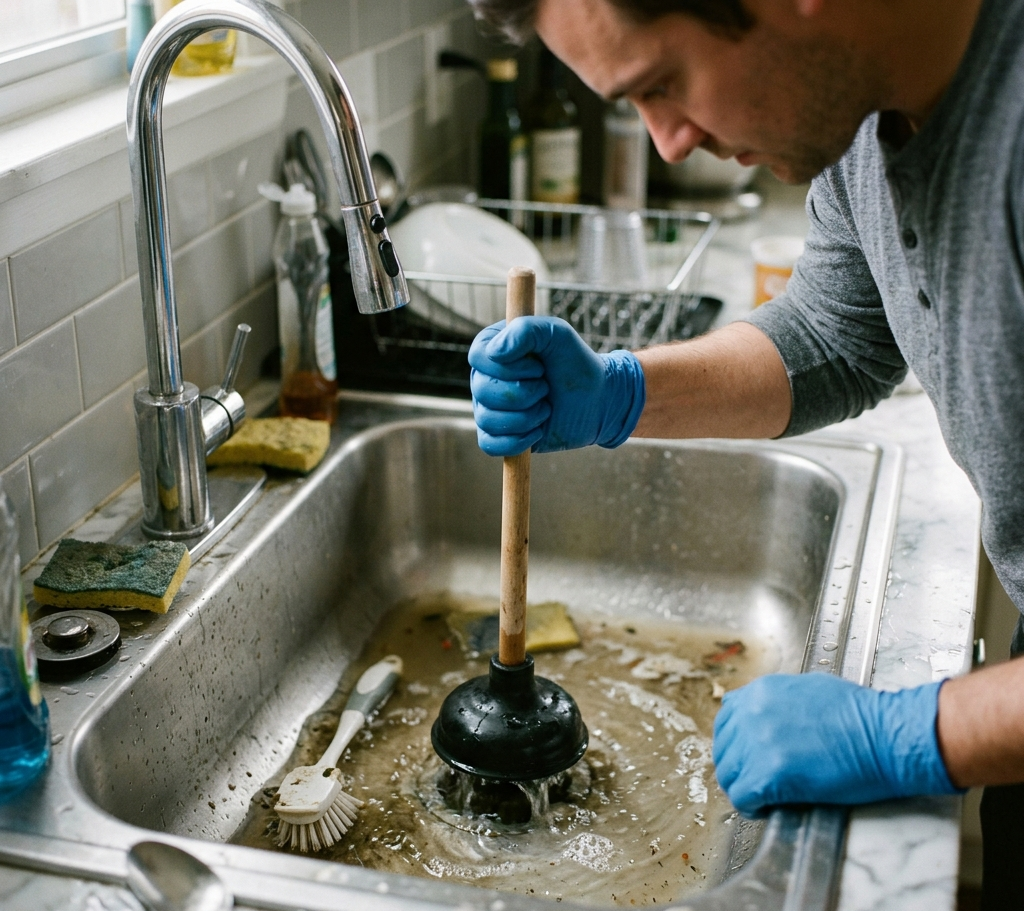
Fixing a clogged sink requires a structured approach. Jumping directly to aggressive methods can damage pipes.
Start with simple solutions like boiling water and move to advanced tools like plungers or drain snakes if the clog persists.
Step-by-Step Process
Step 1: Boiling Water
Pour boiling water slowly into the drain. This melts grease and clears light buildup.
Step 2: Baking Soda + Vinegar
Pour baking soda followed by vinegar. Let it react for 10–15 minutes, then flush with hot water.
Step 3: Use a Plunger
Create a seal over the drain and plunge forcefully. This dislodges blockages near the surface.
Step 4: Clean the P-Trap
Remove the pipe under the sink and clean out debris manually. This is where most solid clogs occur.
Step 5: Use a Drain Snake
Insert the snake into the pipe and rotate it to break apart deep clogs.
Mini Case Example
A household experiencing repeated slow drainage fixed the issue permanently by removing the P-trap and clearing accumulated grease and food sludge. This eliminated the need for chemical cleaners.
What Is the Correct Order to Unclog a Kitchen Sink?
Using the wrong method at the wrong time is one of the biggest reasons clogged sinks remain unresolved. The correct approach follows a structured escalation from simple to advanced techniques.
Start with boiling water if the drain is slow but not fully blocked. This works best for grease-based clogs because heat melts fat deposits and restores flow. It takes only a few minutes and carries minimal risk.
If the clog persists, move to baking soda and vinegar. This combination creates a chemical reaction that loosens light organic buildup. It is effective for early-stage clogs but not for solid blockages.
For partial blockages where water drains slowly or unevenly, use a plunger. The pressure created by plunging dislodges debris and restores flow. Ensure a proper seal for maximum effectiveness.
If these methods fail, the clog is likely deeper. At this stage, use a drain snake. This tool physically breaks apart or pulls out the blockage from inside the pipe.
If the sink remains clogged after all attempts, the issue is likely in the main drain line. This is where professional plumbing tools are required.
This step-by-step escalation prevents damage, reduces effort, and ensures the most efficient solution is applied at each stage.
What Are the Best Methods to Unclog a Sink?
Different methods work for different clog types.
The best unclogging method depends on clog severity. Natural solutions work for light clogs, while tools are required for deeper blockages.
Method Comparison Table
| Method | Best For | Effectiveness | Risk |
| Boiling Water | Grease | Medium | Low |
| Baking Soda + Vinegar | Light clogs | Medium | Low |
| Plunger | Surface blockages | High | Low |
| Drain Snake | Deep clogs | Very High | Medium |
| Chemical Cleaner | Severe buildup | High | High |
Expert Insight
Chemical cleaners should be used as a last resort. They can damage pipes, especially older ones.
Mechanical methods like plunging and snaking are more reliable and safer.
How Does a Kitchen Sink Drain System Work?
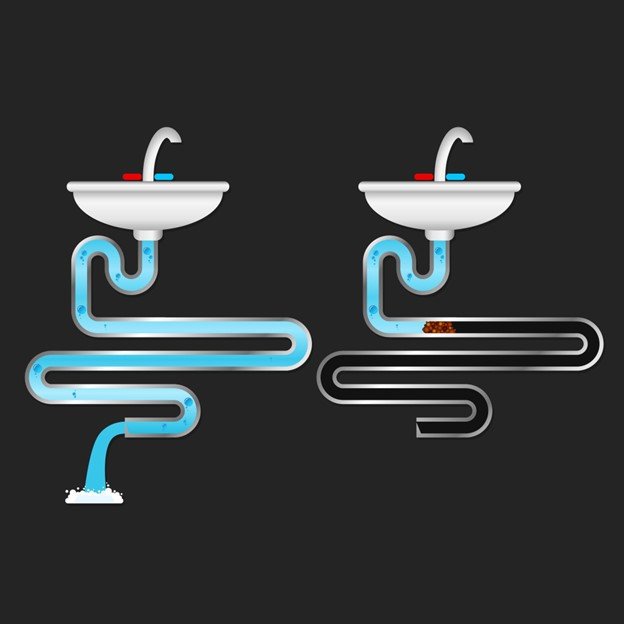
Understanding how a kitchen sink drain system works provides clarity on why clogs form and how to fix them effectively.
A kitchen sink relies on gravity-based flow. Water moves downward through pipes due to gravity, carrying waste materials along with it. Any obstruction in this flow path results in a clog.
The first component is the drain opening, where water enters the system. Below this is the P-trap, a curved pipe designed to hold water and block sewer gases. While essential, this curve creates a natural trap for debris.
From the P-trap, water flows into a horizontal pipe that connects to the main drain line. This section is particularly vulnerable to grease buildup because fats solidify as they cool, sticking to pipe walls.
The system also includes a vent pipe, which allows air to enter and maintain proper pressure. Without ventilation, water flow becomes restricted, leading to slow drainage and gurgling sounds.
Clogs occur when debris disrupts this flow. Grease reduces pipe diameter, solid waste creates blockages, and poor ventilation affects pressure balance.
Understanding this system helps you diagnose problems more accurately. Instead of guessing, you can identify which component is causing the issue and apply the correct solution.
Which Tools Work Best for Sink Clogs?
Tools provide better control and effectiveness compared to home remedies.
A plunger works best for surface clogs, while a drain snake is the most effective tool for deep blockages.
Tool Comparison
| Tool | Use Case | Effectiveness |
| Plunger | Shallow clogs | High |
| Drain Snake | Deep clogs | Very High |
| Hand Auger | Severe clogs | Very High |
| Wet/Dry Vacuum | Standing water | Medium |
Practical Insight
A drain snake is the most versatile tool. It can reach deep into pipes and physically remove blockages instead of dissolving them.
Which Unclogging Methods Work Best and When Do They Fail?
Each unclogging method has specific strengths and limitations. Using them without understanding their effectiveness leads to poor results.
| Method | Works For | Fails When | Risk |
| Boiling Water | Grease clogs | Solid blockages | Low |
| Baking Soda + Vinegar | Light organic buildup | Heavy grease or solids | Low |
| Plunger | Surface blockages | Deep clogs | Low |
| Drain Snake | Deep clogs | Main line blockage | Medium |
| Chemical Cleaner | Severe buildup | Solid objects | High |
Boiling water is effective only when grease is the primary cause. It cannot dissolve solid objects like food chunks or plastic debris.
Baking soda and vinegar work through chemical reaction, but their power is limited. They are ineffective against hardened grease or compacted waste.
Plungers create pressure to dislodge clogs, but they lose effectiveness when the blockage is too deep or tightly packed.
Drain snakes are the most reliable DIY tool. They physically remove or break apart clogs, making them effective for most scenarios.
Chemical cleaners should be used cautiously. While they can dissolve organic material, they can also weaken pipes and create long-term damage.
Choosing the right method depends on clog type and location. Understanding these limitations prevents wasted effort and pipe damage.
When Should You Call a Plumber?
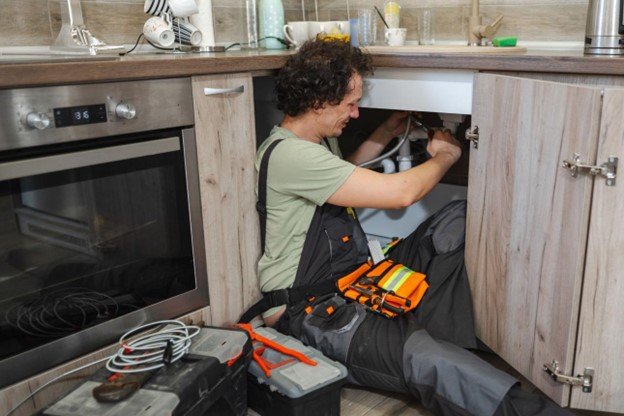
Not all clogs can be fixed with DIY methods.
Call a plumber when the clog persists after multiple attempts or when water backs up repeatedly.
Signs You Need a Professional
- Repeated clogging
- Multiple drains blocked
- Foul odor from pipes
- Water backing into other sinks
Real Insight
Recurring clogs often indicate a deeper issue in the main drain line. DIY methods only treat symptoms, not the root cause.
How Long Does It Take to Unclog a Kitchen Sink?
The time required to unclog a kitchen sink depends on the severity and location of the blockage. Simple clogs can be resolved within minutes, while complex ones may take significantly longer.
Light clogs caused by grease or soap buildup can often be cleared using boiling water in 5 to 10 minutes. This method is quick and effective for early-stage blockages.
Using baking soda and vinegar typically takes 15 to 30 minutes, including reaction time and flushing. This method is slightly slower but still effective for minor clogs.
Plunging a sink usually takes 5 to 10 minutes if the clog is near the surface. Proper technique is critical for success.
For deeper clogs, a drain snake may require 15 to 45 minutes, depending on how far the blockage is located and how compact it is.
Severe clogs involving the main drain line can take 1 to 2 hours or more, especially if professional tools are required.
Understanding time expectations helps users stay patient and choose the right method. Quick fixes work for simple problems, but deeper issues require time and proper tools.
How Much Does It Cost to Fix a Clogged Sink?
Micro Answer
Fixing a clogged kitchen sink costs between $50 and $250 depending on severity and location.
Cost Breakdown
| Service | Cost Range |
| Basic unclogging | $50–$100 |
| Drain snaking | $100–$200 |
| Major blockage removal | $200–$400 |
Cost Insight
DIY methods cost under $20, but improper handling can lead to expensive repairs.
Why Does My Kitchen Sink Keep Clogging?
Recurring clogs indicate that the root cause has not been fully addressed. Temporary fixes may restore flow, but underlying issues remain.
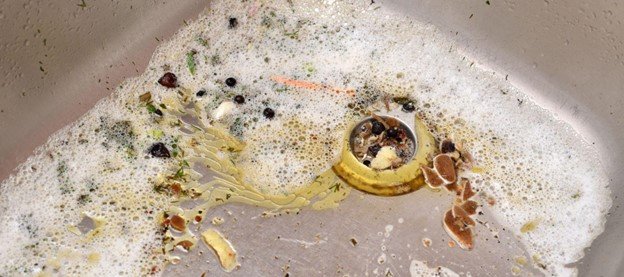
The most common cause is grease accumulation. Even small amounts of grease poured down the drain build up over time. This creates a sticky layer that traps food particles and leads to repeated blockages.
Another reason is incomplete cleaning. Methods like boiling water or baking soda may remove surface debris but leave deeper buildup intact. This results in clogs returning within days or weeks.
Improper disposal habits also contribute. Washing food scraps, coffee grounds, or fibrous materials into the sink increases clog risk.
In some cases, the issue is related to pipe design or condition. Older pipes may have reduced diameter due to corrosion or mineral buildup, making them more prone to clogging.
Ventilation problems can also play a role. Poor airflow disrupts water movement and increases the likelihood of blockage.
To solve recurring clogs permanently, focus on both cleaning and prevention. Remove buildup completely using mechanical tools and adopt better disposal practices.
How to Prevent Kitchen Clogged Sink Permanently?
Prevention is more effective than repeated fixes.
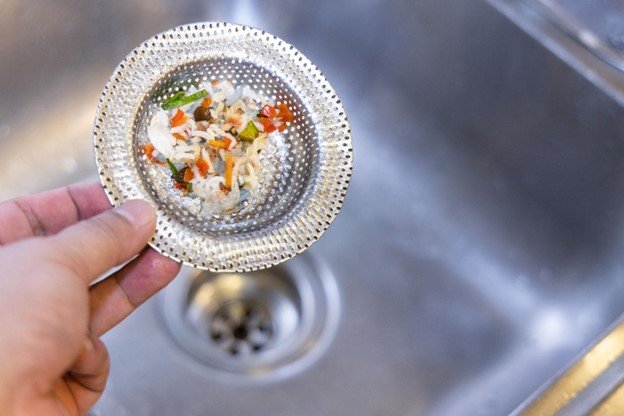
Avoid grease disposal, use drain strainers, and flush pipes regularly to prevent clogs.
Prevention Checklist
- Never pour grease into sink
- Use a sink strainer
- Flush with hot water weekly
- Dispose of food waste properly
Long-Term Insight
Consistent maintenance reduces clog risk by over 70%. Small habits make a major difference.
How to Use a Drain Snake Properly?
A drain snake is one of the most effective tools for clearing deep clogs, but incorrect use can reduce its effectiveness.
Start by inserting the snake slowly into the drain. Do not force it, as this can damage the pipe or cause the tool to bend.
Once resistance is felt, rotate the handle clockwise. This helps the snake latch onto the clog or break it apart. Continue rotating while pushing gently forward.
After reaching the blockage, pull the snake out slowly. In many cases, debris will come out with it. Repeat the process until the pipe is clear.
It is important to clean the snake after each use to avoid reintroducing debris into the pipe.
Avoid excessive force. If the snake cannot move forward, the clog may be too deep or solid for manual removal.
Using the tool correctly increases success rate and prevents damage. It also eliminates the need for harsh chemical cleaners in most cases.
What Mistakes Make Sink Clogs Worse?
Using incorrect methods or ignoring early signs can worsen clogs and damage pipes.
Common Mistakes
- Pouring grease down the drain
- Overusing chemical cleaners
- Ignoring slow drainage
- Forcing objects into the drain
Expert Warning
Chemical cleaners can weaken pipes over time, especially PVC and older metal systems.
What If Your Sink Is Still Clogged After Trying Everything?
When a kitchen sink remains clogged after multiple attempts, the issue is no longer surface-level. This usually indicates a complex blockage that involves multiple layers or deeper sections of the plumbing system.
One common reason is layered clog formation. For example, grease buildup may harden along the pipe walls while food particles accumulate on top of it. Basic methods may remove only the top layer, leaving the core blockage intact.
Another cause is deep pipe obstruction. If the clog is located beyond the reach of a standard drain snake, DIY tools will not be effective. In such cases, professional-grade augers or hydro-jetting may be required.
There is also the possibility of a main drain line blockage. This affects not just the kitchen sink but other fixtures as well. Signs include water backing up in multiple drains or unusual gurgling sounds.
Recurring clogs can also indicate pipe damage or structural issues. Cracks, misaligned joints, or corrosion can trap debris repeatedly, making the problem persistent.
At this stage, continuing DIY attempts can worsen the situation. Overuse of chemical cleaners or excessive force can damage pipes and increase repair costs.
The correct action is to shift from trial-based methods to professional diagnosis. A plumber can inspect the system using specialized tools and identify the root cause accurately.
Is a Kitchen Clogged Sink Dangerous?
A clogged sink is not immediately dangerous but can lead to hygiene issues, pipe damage, and water overflow.
Risks
- Bacterial growth
- Water damage
- Pipe corrosion
Final Insight
Ignoring clogs increases long-term repair costs and hygiene risks.
Special Cases of Kitchen Clogged Sink
Not all clogs behave the same. Certain setups create unique challenges that require specific solutions.
Double Sink Clogs
In double sinks, a clog on one side can affect the other. This happens because both drains connect to the same pipe. Blocking one side and plunging the other is often the most effective solution.
Garbage Disposal Clogs
If your sink has a garbage disposal, the clog may be inside the unit. In such cases, running the disposal or manually clearing it can restore flow. However, avoid putting fibrous or hard materials into the disposal.
Apartment Plumbing Systems
In apartments, multiple units share the same drain line. A clog in the main line can affect several sinks. If neighbors experience similar issues, the problem is likely beyond your unit.
Understanding these scenarios prevents misdiagnosis and ensures the correct solution is applied.
FAQ Section
Why is my sink draining slowly?
Grease and debris buildup restrict water flow.
Does baking soda really work?
Yes, for light clogs but not deep blockages.
Can boiling water damage pipes?
It is safe for metal pipes but may affect PVC if excessive.
How often should I clean my drain?
Once a month for maintenance.
What is the fastest way to unclog a sink?
Plunger or drain snake depending on severity.
Can clogs come back?
Yes, if root cause is not addressed.







0 Comments