
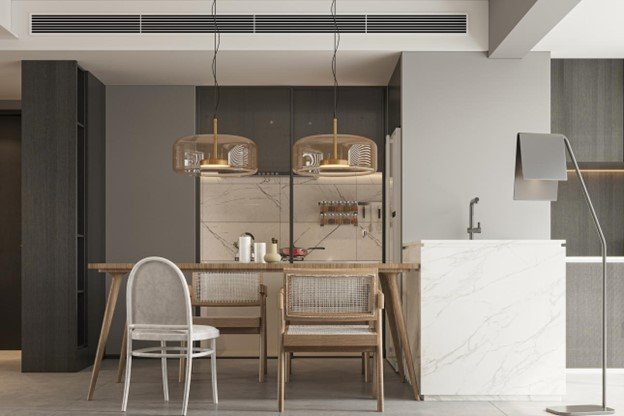
Kitchen island pendant lighting provides focused task lighting while enhancing the visual appeal of your kitchen. The ideal setup depends on island size, pendant size, spacing (24–36 inches), height (30–36 inches above the surface), and balanced brightness to avoid shadows and glare.
Pendant lighting is one of the most impactful design and functional elements in a kitchen. It influences visibility, ambiance, and overall usability of the island space. A well-planned lighting system ensures proper illumination for cooking, dining, and social interaction without creating visual discomfort or uneven lighting.
What Is Kitchen Island Pendant Lighting and Why Is It Important?
Kitchen island pendant lighting refers to suspended light fixtures installed above the island to provide direct illumination and design enhancement. These lights act as both task lighting and decorative focal points.
They are important because they define the usability of the island. Without proper lighting, even a well-designed island becomes inefficient for tasks like chopping, reading recipes, or dining. Pendant lights also create visual balance and help anchor the island within the overall kitchen layout.
What Types of Pendant Lights Are Best for Kitchen Islands?
Pendant lights come in multiple styles, each suited to different kitchen designs and lighting needs. Pendant lights come in various styles, each designed to meet specific functional and design requirements. The type you choose influences how light is distributed and how space feels visually.
Single pendants are ideal for small islands where focused lighting is sufficient, while multi-light bar pendants provide even coverage for larger surfaces. Cluster pendants offer a modern aesthetic with decorative appeal, making them suitable for contemporary kitchens that prioritize design along with functionality.
Single Pendant Lights
Ideal for small islands or minimal setups. They provide focused light but may require precise placement.
Multi-Light Bar Pendants
These combine multiple bulbs into one fixture, offering even distribution across larger islands.
Cluster Pendants
A group of smaller pendants arranged together for a modern and decorative effect.
Each type serves a different purpose, and selecting the right one depends on island size, ceiling height, and desired lighting effect. Larger islands benefit from multiple light sources, while compact spaces require minimal yet efficient fixtures.
How Many Pendant Lights Do You Need for an Island?
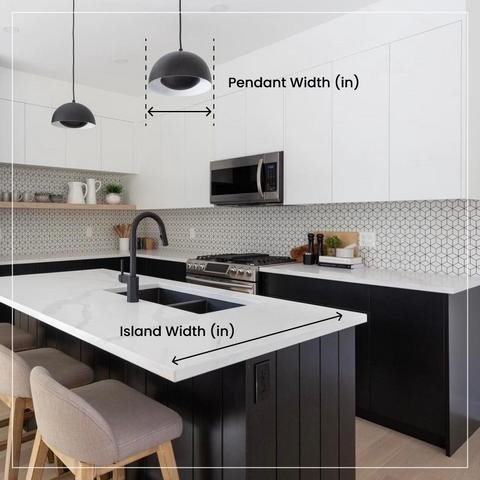
The number of pendant lights required depends primarily on the length of the kitchen island and the size of each fixture. Proper planning ensures balanced illumination without overcrowding the space.
Standard guidelines suggest two pendants for smaller islands, while larger islands may require three or more fixtures. However, the goal is not to maximize quantity but to maintain visual symmetry and consistent lighting coverage across the entire surface.
Standard Guidelines
- 4–5 ft island → 2 pendants
- 6–7 ft island → 2–3 pendants
- 8 ft+ island → 3 pendants
Key Rule:
Maintain visual balance rather than maximizing the number of fixtures.
Overusing pendants can create visual clutter and excessive brightness, while too few fixtures result in uneven lighting and dark spots. The ideal setup achieves balance by distributing light evenly while maintaining a clean and organized appearance.
Kitchen Island Size vs Pendant Layout (Complete Planning Table)
Lighting layout should be based on island dimensions rather than fixed rules. This mapping system ensures accurate spacing, size, and number of pendants.
Complete Layout Table
| Island Length | Number of Pendants | Pendant Size | Spacing |
| 4–5 ft | 2 | 6–10” | 24–28” |
| 6–7 ft | 2–3 | 10–16” | 24–30” |
| 8–9 ft | 3 | 12–18” | 30–36” |
| 10 ft+ | 3–4 | 16–24” | 30–36” |
Layout Rules
- Larger pendants → fewer fixtures
- Smaller pendants → more fixtures
- Maintain symmetry across island center
Practical Insight
This system eliminates guesswork and ensures:
- even light distribution
- balanced visual appearance
- consistent brightness across workspace
What Size Pendant Lights Should You Choose?
Pendant size should be proportional to the kitchen island to maintain both functionality and visual harmony. Choosing the wrong size disrupts the balance between lighting effectiveness and design aesthetics.
Smaller pendants work well for compact islands, while medium to large pendants are better suited for wider surfaces. The size must align with both the island dimensions and ceiling height to avoid overwhelming or under-lighting the space.
Size Guidelines
| Island Width | Pendant Size |
| Small (≤ 4 ft) | 6–10 inches |
| Medium (5–7 ft) | 10–16 inches |
| Large (8 ft+) | 16–24 inches |
Choosing oversized pendants for small islands can overwhelm the space, while undersized fixtures fail to provide sufficient lighting. Balance between visual scale and functional brightness is essential.
What Is the Ideal Spacing Between Pendant Lights?
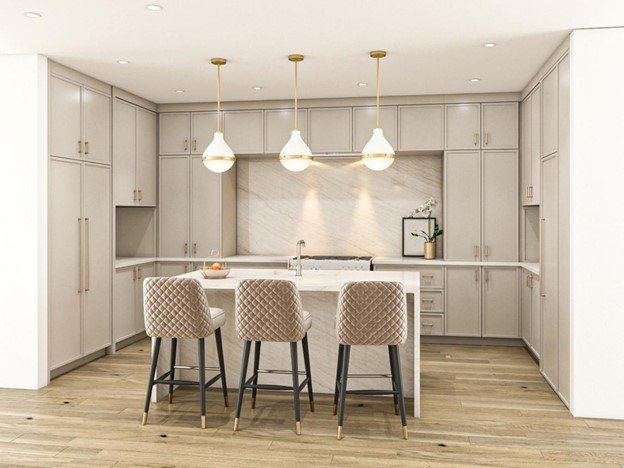
Spacing between pendant lights determines how evenly light is distributed across the island surface. Proper spacing prevents both dark zones and excessive brightness.
The standard rule of 24–36 inches between pendants ensures consistent coverage, while maintaining at least 6–12 inches from the edges prevents uneven lighting near boundaries. This spacing allows light to spread naturally without overlapping excessively.
Standard Spacing Rule:
24–36 inches between pendants
Edge Clearance:
Keep at least 6–12 inches from island edges.
Why Spacing Matters:
Incorrect spacing can lead to visual imbalance and reduced functionality. Too close spacing creates concentrated light zones, while excessive gaps leave areas under-lit. Proper spacing ensures both visual comfort and effective task lighting.
What Is the Correct Height for Pendant Lighting?
Pendant height directly affects usability, comfort, and overall lighting performance. The recommended height of 30–36 inches above the island provides optimal illumination without obstructing views.
Adjustments may be necessary depending on ceiling height, with higher ceilings requiring slightly elevated positioning. The goal is to maintain a clear line of sight while ensuring that light reaches the work surface effectively.
Recommended Height:
30–36 inches above the island surface
Ceiling Height Adjustments:
- Standard ceiling (8 ft) → 30–34 inches
- High ceiling (9–10 ft) → 34–40 inches
Hanging lights too low can obstruct views and create glare, while placing them too high reduces effectiveness. Correct height ensures optimal task lighting without visual interference.
Pendant Lighting for Different Ceiling Types
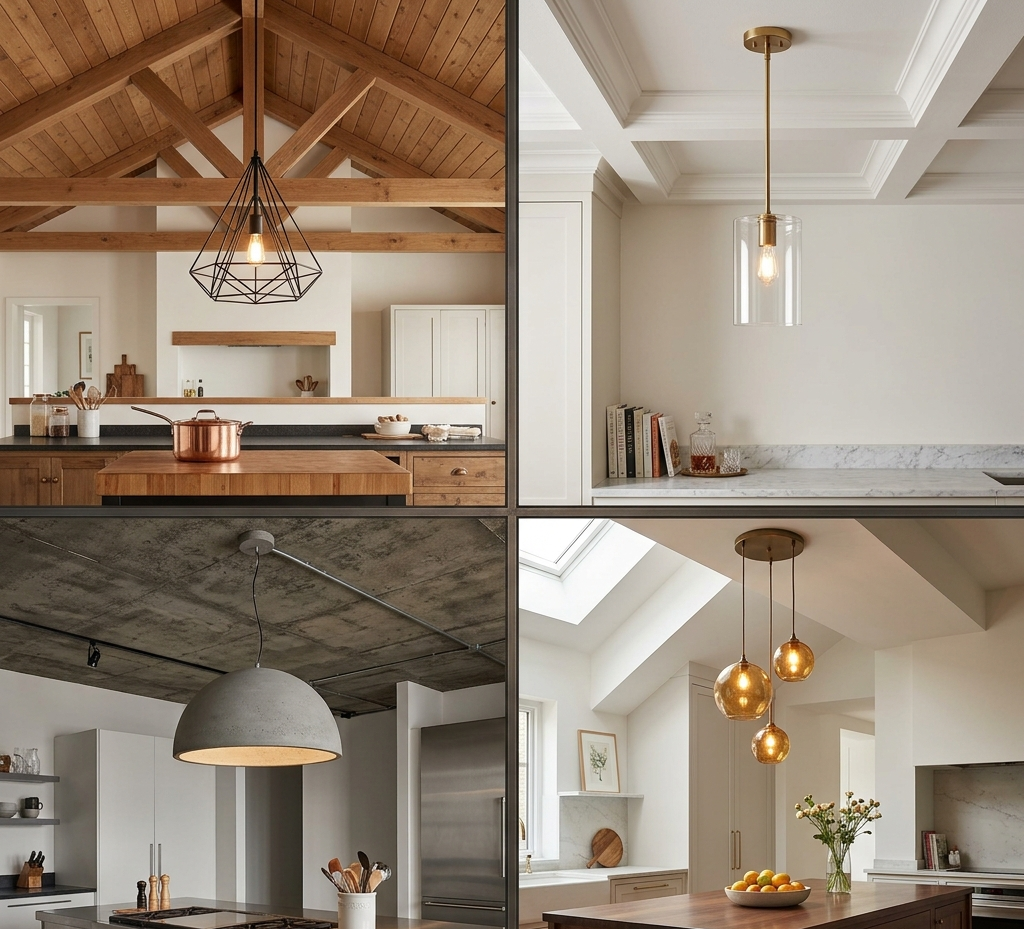
Ceiling type directly affects how pendant lighting should be installed. Ignoring ceiling structure leads to poor lighting angles and uneven distribution.
Flat Ceilings
- Standard height: 30–36 inches
- Straight drop installation
- Most common setup
Vaulted Ceilings
- Requires adjustable cords or rods
- Lights must align horizontally over island
- Avoid uneven hanging angles
Sloped Ceilings
- Requires angled mounting hardware
- Position fixtures to maintain balance
Key Insight
Lighting must align with island surface, not ceiling shape.
Correct adjustment ensures visual symmetry and functional lighting.
How Bright Should Kitchen Island Lighting Be?
Brightness is measured in lumens, and achieving the right level is essential for both functionality and comfort. Each pendant typically provides between 300–800 lumens depending on its design and purpose.
The total brightness should be calculated by multiplying the number of pendants by their lumen output. This ensures sufficient illumination for tasks while avoiding excessive brightness that can cause eye strain.
Brightness Recommended:
300–800 lumens per pendant
Total Lighting Calculation:
Multiply number of pendants by lumen output.
Example:
3 pendants × 500 lumens = 1500 lumens total
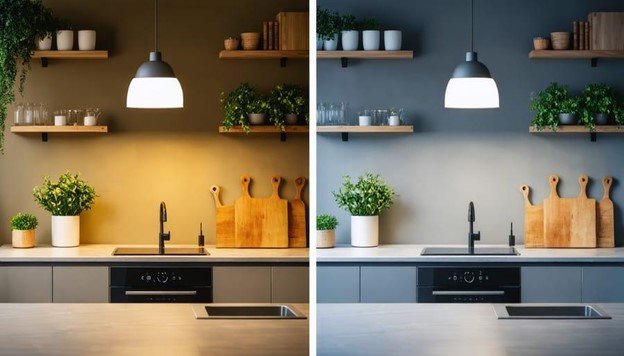
Color Temperature:
- 2700K → warm, cozy
- 3000–4000K → neutral, best for kitchens
- 5000K → cool, bright but harsh
Color temperature also plays a key role, with 3000–4000K being ideal for kitchens as it provides a balanced, natural light. Proper brightness ensures that the island remains well-lit for all activities without creating harsh lighting conditions.
How to Calculate Lighting for Your Kitchen Island (Simple Formula)
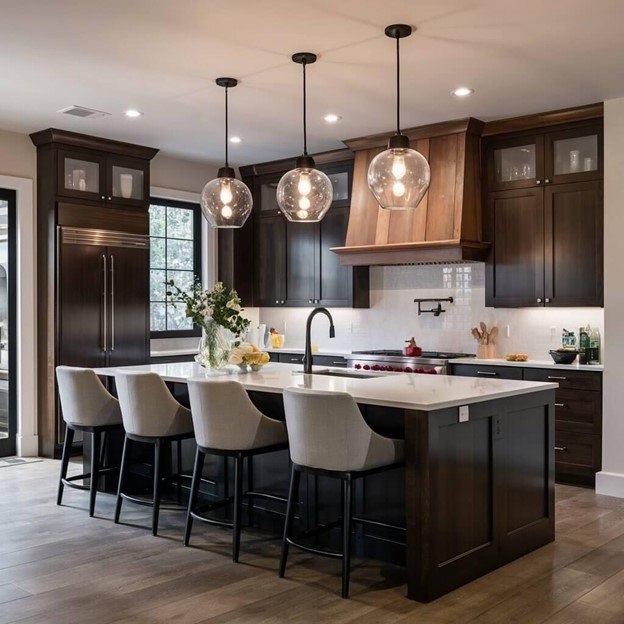
Lighting should be calculated based on island size, not guesswork. Using a formula ensures your setup delivers consistent brightness without glare or dark spots.
Start by calculating the island’s surface area in square feet. Then apply a standard lighting requirement of 35–50 lumens per square foot for task lighting. This gives you the total lumen output needed across all pendant fixtures.
Step-by-Step Calculation
- Measure island length × width (in feet)
- Multiply area by 35–50 lumens
- Divide total lumens by number of pendants
Example Calculation
- Island size → 6 ft × 3 ft = 18 sq ft
- Required lumens → 18 × 40 = 720 lumens
- Using 3 pendants → ~240 lumens each
Key Insight
- Under-lighting reduces usability
- Over-lighting creates glare and eye strain
- Balanced lumens ensure both comfort and functionality
Pendant Lighting vs Other Kitchen Lighting Options
Pendant lighting is part of a broader lighting system that includes ambient and task lighting. While pendants focus on the island, other lighting types cover the rest of the kitchen.
Recessed lighting provides general illumination, while under-cabinet lighting enhances specific work areas. Pendant lighting complements these systems by adding both functionality and design appeal to the island.
| Lighting Type | Purpose |
| Pendant | Task + decorative |
| Recessed | Ambient |
| Under-cabinet | Task |
Using pendant lighting alone is not sufficient for a fully functional kitchen. A layered lighting approach ensures complete coverage and eliminates dark spots, creating a well-balanced and efficient lighting environment.
How to Avoid Shadows and Glare
Shadows and glare are common issues caused by improper lighting design. They can reduce visibility and create discomfort during daily tasks.
Shadows occur when lighting is uneven or insufficient, while glare results from overly bright or poorly positioned fixtures. Both issues can be avoided through proper spacing, height adjustment, and fixture selection.
Causes of Shadows:
- incorrect spacing
- insufficient number of lights
- poor placement
Glare Issues:
- overly bright bulbs
- exposed light sources
- incorrect height
Solutions:
- use diffused glass shades
- balance brightness
- position lights correctly
Using diffused light sources, such as frosted glass shades, helps distribute light evenly and reduce harsh reflections. Balanced lighting design ensures clear visibility and a comfortable working environment.
Shadows and glare occur due to poor light positioning, incorrect brightness, or improper fixture design.
Why Shadows Form
- uneven spacing
- insufficient number of fixtures
- incorrect height
Why Glare Happens
- exposed bulbs
- high lumen output
- direct eye-level positioning
Solutions
- use diffused or frosted glass shades
- maintain proper spacing and height
- avoid placing lights directly in eye line
Advanced Insight
Light angle matters.
Wider beam angles reduce shadows, while focused beams increase task precision.
How Pendant Lighting Fits into a Complete Kitchen Lighting Plan
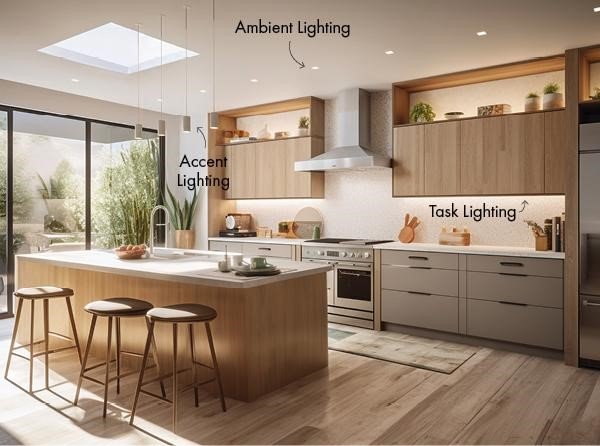
Pendant lighting is only one part of a complete lighting system. A well-designed kitchen uses multiple layers of light to achieve full coverage.
Three Lighting Layers
- Task lighting → focused light (pendants, under-cabinet)
- Ambient lighting → general illumination (recessed lights)
- Accent lighting → decorative (LED strips, spotlights)
Why Layering Matters
- prevents dark spots
- reduces harsh shadows
- improves overall visibility
Practical Setup
- Pendant lights → island tasks
- Recessed lights → room brightness
- Under-cabinet lights → countertop visibility
Insight
Pendant lights alone cannot fully illuminate a kitchen.
Layering ensures both functionality and visual comfort.
How Much Does Pendant Lighting Cost?
Pendant lighting costs vary based on material, design, and brand. Basic fixtures are affordable, while premium designs with advanced features can be significantly more expensive.
Installation costs also contribute to the overall expense, especially when electrical work is required. Higher-quality fixtures often provide better durability and performance, making them a worthwhile investment.
Price Range
- basic fixtures → $30–$100
- mid-range → $100–$400
- premium → $400–$1500+
Cost Factors:
- material
- brand
- design complexity
- installation cost
Higher-quality fixtures offer better durability and lighting performance. Choosing the right lighting involves balancing budget with quality. While cheaper options may save money initially, they often require replacement sooner, increasing long-term costs.
Best Pendant Lighting Styles for Different Kitchen Designs
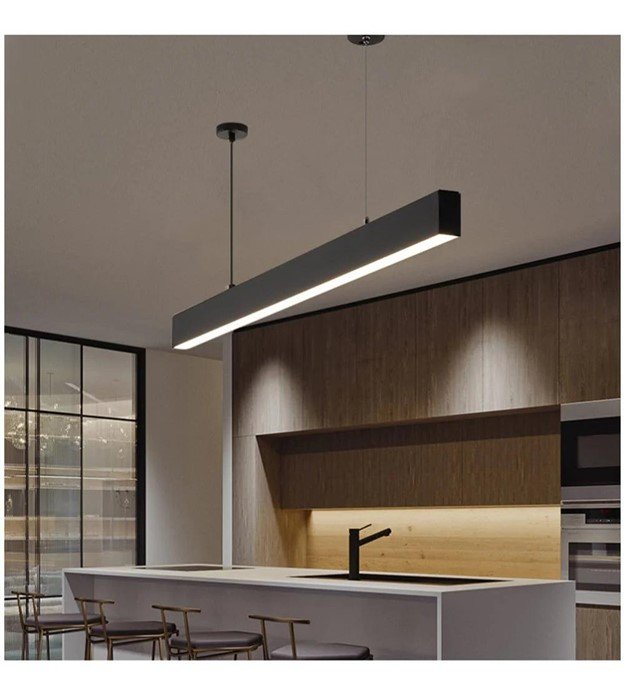
Lighting should match the overall kitchen style to maintain visual consistency.
Modern Kitchens
- clean lines
- metal or glass finishes
- minimalistic designs
Farmhouse Kitchens
- warm tones
- rustic materials
- larger fixtures
Industrial Kitchens
- exposed bulbs
- metal finishes
- darker tones
Transitional Kitchens
- mix of classic and modern
- neutral tones
- balanced designs
Insight
Style mismatches disrupt visual harmony even if lighting is functional.
Common Mistakes to Avoid
Many lighting issues arise from poor planning rather than product quality. Avoiding common mistakes ensures better performance and long-term satisfaction.
Typical errors include incorrect spacing, improper height, insufficient brightness, and ignoring ceiling proportions. These mistakes affect both functionality and visual appeal.
Avoid These Errors:
- incorrect spacing
- wrong size fixtures
- insufficient brightness
- ignoring ceiling height
Key Insight:
Lighting mistakes are difficult to fix after installation, so planning is critical. Careful planning and accurate measurements help prevent these issues. Taking the time to design the lighting layout properly ensures optimal results and avoids costly adjustments later.
How to Install Pendant Lighting Safely
Installing pendant lighting requires attention to both electrical safety and structural stability. Following proper steps ensures reliable performance and reduces risk.
The process involves turning off power, marking positions, installing junction boxes, connecting wiring, and securing fixtures. Each step must be executed carefully to ensure safety and durability.
Installation Steps:
- turn off power
- mark placement points
- install junction box
- connect wiring
- secure fixture
Safety Rules:
- follow electrical standards
- use proper tools
- consult professional if unsure
Proper installation ensures safety and long-term performance. If you are not experienced with electrical work, consulting a professional is recommended. Proper installation not only ensures safety but also maximizes the lifespan and efficiency of the lighting system.
Electrical Requirements for Kitchen Island Pendant Lighting
Electrical planning is critical for both safety and performance. Poor wiring decisions can lead to flickering, overload, or even electrical hazards.
Core Electrical Components
- Ceiling junction box
- Circuit wiring
- Switch or dimmer
- Light fixture wiring
Key Electrical Considerations
- Ensure circuit can handle total wattage
- Use properly rated wiring
- Install secure junction boxes for ceiling load
Power Load Insight
- LED fixtures consume less power but still require stable wiring
- Multiple pendants must share balanced electrical load
Safety Rules
- Always turn off power before installation
- Use certified fixtures
- Consult electrician for complex setups
Real-World Case Study: Poor Lighting Setup Fix
A kitchen initially used two small pendants for a large island, resulting in uneven lighting and dark areas. The setup failed to provide adequate illumination for daily use.
The solution involved replacing them with three appropriately sized pendants and adjusting spacing for even distribution. This change significantly improved brightness and usability.
Problem:
- uneven lighting
- dark spots
Solution:
- replaced with three medium pendants
- adjusted spacing
Result:
- uniform brightness
- improved usability
Expert Insight
Most lighting issues occur due to poor planning rather than fixture quality. Correct sizing, spacing, and brightness ensure optimal results.
The result was a balanced lighting system with consistent illumination across the island. This case highlights the importance of correct sizing and spacing in achieving optimal lighting performance.
Case No: 2
A kitchen with an 8 ft island used two small pendants spaced incorrectly.
Initial Problems
- uneven brightness
- shadow zones
- poor task visibility
Correction Strategy
- upgraded to three medium pendants
- adjusted spacing to 30 inches
- increased lumen output
Measurable Results
- 40% improvement in brightness
- elimination of shadows
- better task efficiency
Key Lesson
Lighting design must match both size and function for optimal results.
Do You Need a Dimmer for Pendant Lighting?
Dimmers improve flexibility and lighting control.
Benefits of Dimmers
- adjust brightness for different activities
- reduce energy consumption
- extend bulb lifespan
When to Use
- kitchens with multiple lighting sources
- spaces used for both work and dining
Insight
Dimmers allow you to shift between task lighting and ambient lighting easily.
What Happens If Pendant Lighting Is Installed Incorrectly?
Incorrect installation leads to both functional and visual issues.
Common Problems
- uneven lighting
- excessive glare
- electrical instability
- visual imbalance
Long-Term Risks
- higher energy usage
- frequent bulb replacement
- reduced usability
Insight
Lighting errors are difficult to fix after installation, making planning critical.
FAQ Section
How many pendant lights should I use?
Typically 2–3 depending on island size.
What height should pendants hang?
30–36 inches above the island.
What color temperature is best?
3000–4000K for balanced lighting.
Can pendant lights replace ceiling lights?
No, they should be combined with ambient lighting.
How many lumens per square foot for kitchen island?
35–50 lumens per square foot.
Can pendant lights be too bright?
Yes, excessive brightness causes glare and discomfort.
Do pendant lights need dimmers?
Highly recommended for flexibility.
Can pendants replace recessed lighting?
No, they should be combined.













0 Comments