Plastic chairs can be cleaned using mild soap and water for routine dirt, baking soda or vinegar for stains, and targeted methods for mold or yellowing. Harsh chemicals and excessive bleach should be avoided to prevent long-term plastic damage. This guide fully guides you on how to clean plastic chairs and not for the sake of it, but for the better knowledgeable usage of it.
Why Plastic Chairs Need Special Cleaning Methods
Plastic chairs are often treated as low-maintenance furniture, but that assumption leads to premature aging, discoloration, and surface damage. Plastic is porous at a microscopic level, which means dirt, oils, mold spores, and pollutants can embed themselves over time.
Outdoor plastic chairs face additional challenges such as UV exposure, rain, dust, pollen, bird droppings, and humidity. Indoor plastic chairs may collect grease, skin oils, food residue, and everyday grime.
Cleaning plastic correctly isn’t about brute force. It’s about understanding plastic behavior, environmental exposure, and safe cleaning chemistry.
Types of Plastic Chairs and Why It Matters
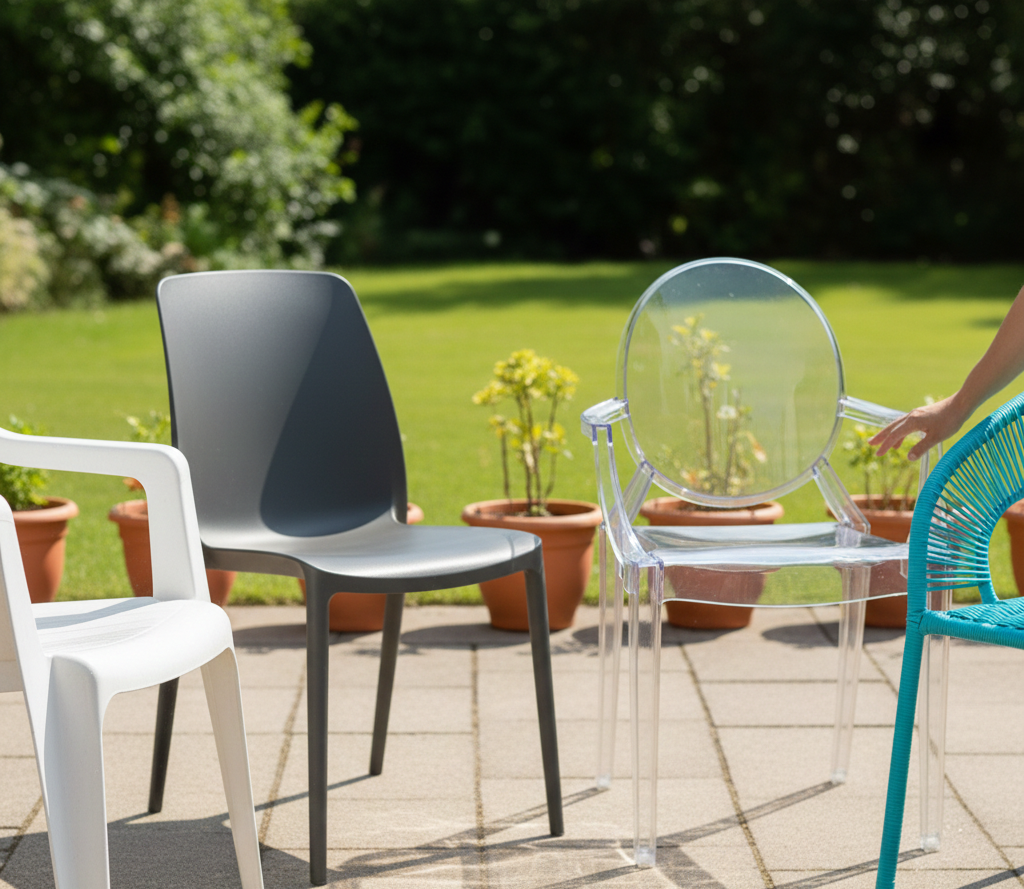
Not all plastic chairs are made from the same material. This affects how aggressive you can be with cleaning.
Common types include:
- Polypropylene plastic (most common)
- Resin-based outdoor furniture
- PVC or molded plastic
- Plastic-resin blends
Cheaper plastics discolor faster and are more sensitive to harsh cleaners. Higher-quality resin furniture tolerates deeper cleaning but still requires care.
Knowing this prevents cracking, chalking, or dulling the surface.
The Most Important Rule Before Cleaning Plastic Chairs
Always start with the least aggressive method and escalate only if needed.
Plastic doesn’t heal. Scratches, chemical burns, and bleaching are permanent. Gentle cleaning done consistently is far more effective than aggressive cleaning done occasionally.
Basic Cleaning for Lightly Dirty Plastic Chairs
This method works for indoor chairs and outdoor chairs with light dust or dirt.
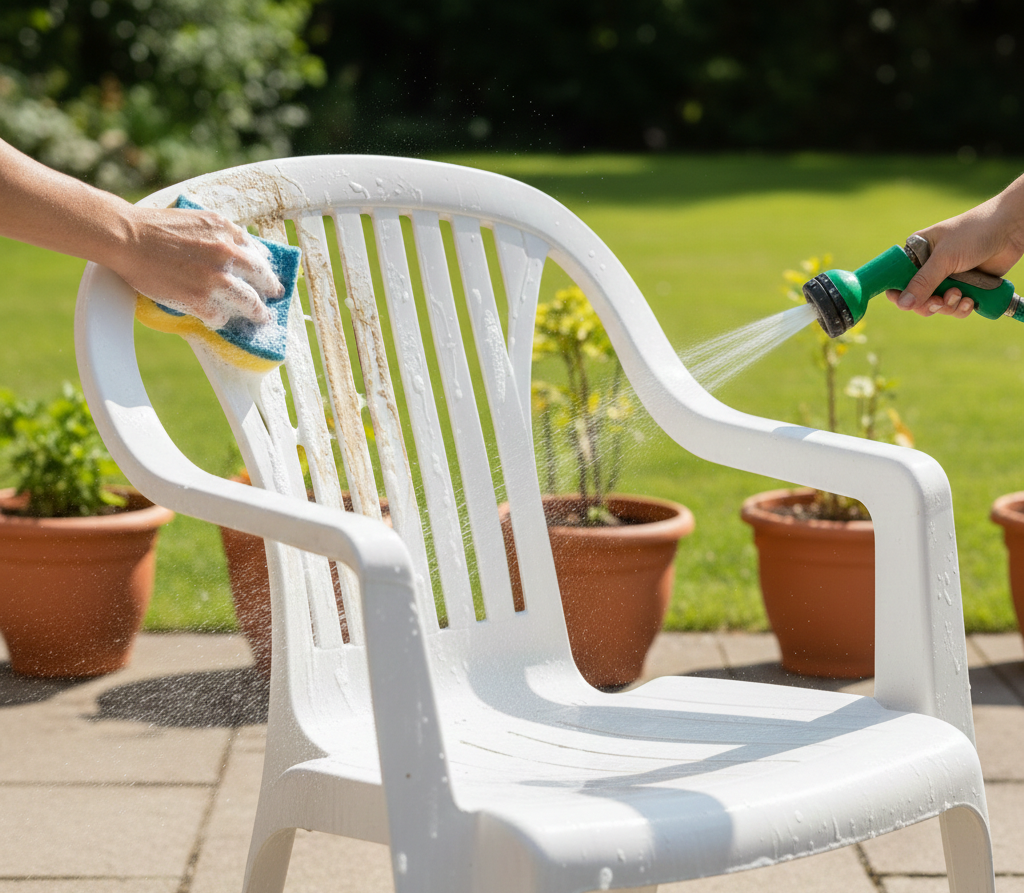
Start by removing loose debris using a dry cloth or soft brush. Rinse the chair with plain water to remove surface dust.
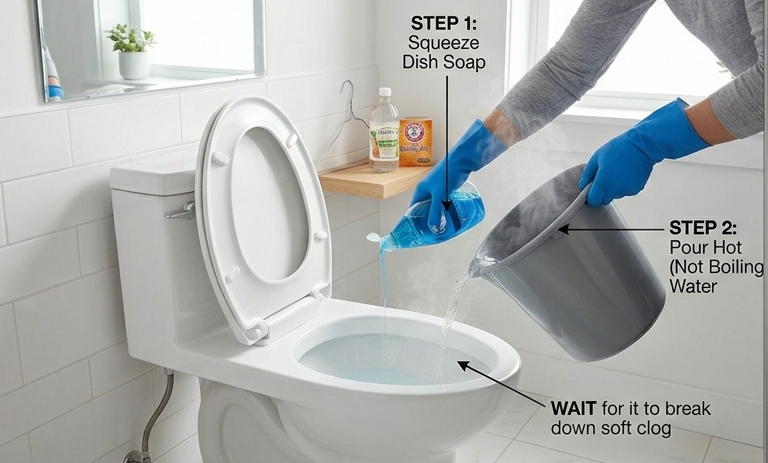
Mix warm water with a few drops of mild dish soap. Use a soft sponge or microfiber cloth to clean the chair, working from top to bottom.
Rinse thoroughly and allow the chair to air-dry.
This alone solves most routine cleaning needs.
How to Clean Outdoor Plastic Chairs
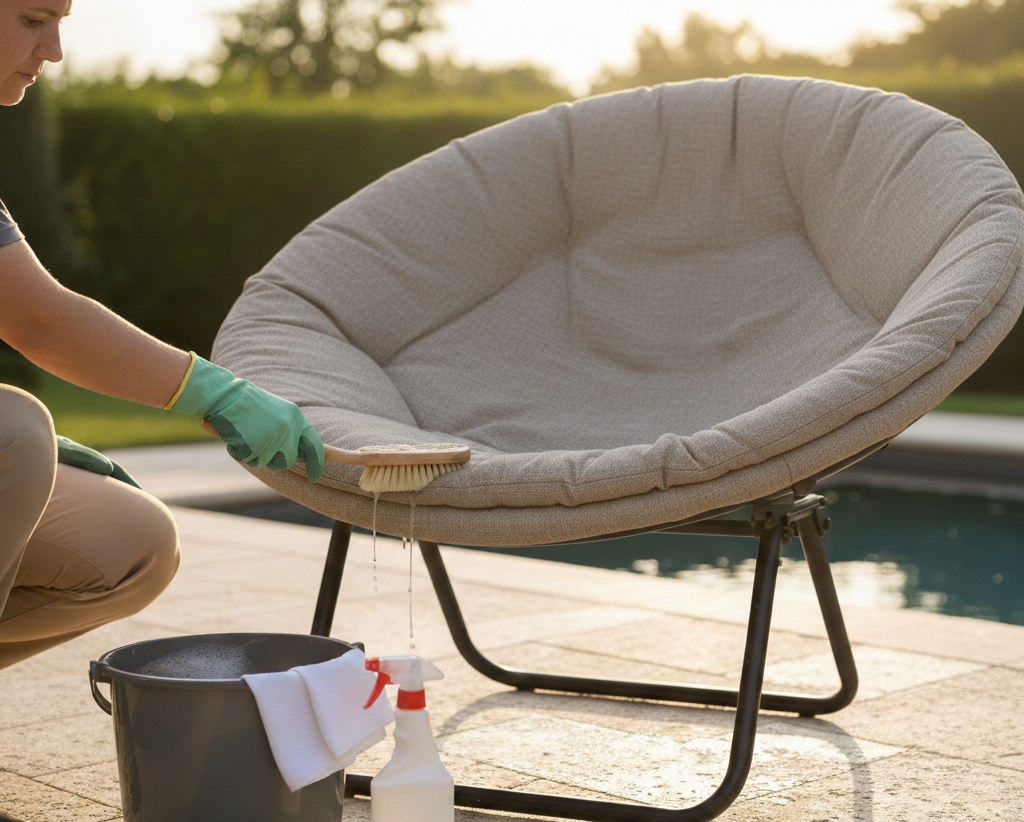
Outdoor plastic chairs require deeper attention due to environmental buildup.
Begin by hosing down the chairs to remove loose dirt, sand, and pollen. Avoid high-pressure washers, which can damage plastic surfaces and force water into seams.
Prepare a solution of warm water and dish soap. Scrub gently using a soft brush, focusing on crevices and textured areas.
Rinse thoroughly and dry in a shaded area. Direct sunlight during drying can leave water spots and accelerate oxidation.
Removing Stains from Plastic Chairs
Stains on plastic chairs often come from food, drinks, grease, or environmental exposure.
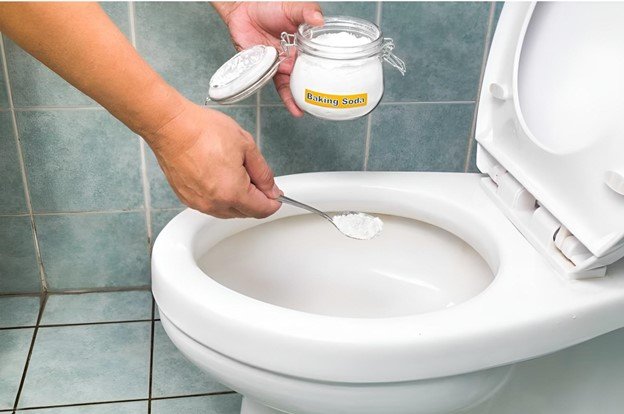
For light stains, baking soda works well. Create a paste using baking soda and water. Apply it to the stained area and gently rub with a cloth or soft brush. Let it sit for 10–15 minutes, then rinse.
For tougher stains, white vinegar diluted with water can help dissolve mineral deposits and organic residue. Never use vinegar full strength on delicate or colored plastic.
Repeat treatments gradually instead of scrubbing aggressively.
How to Clean Mold and Mildew from Plastic Chairs
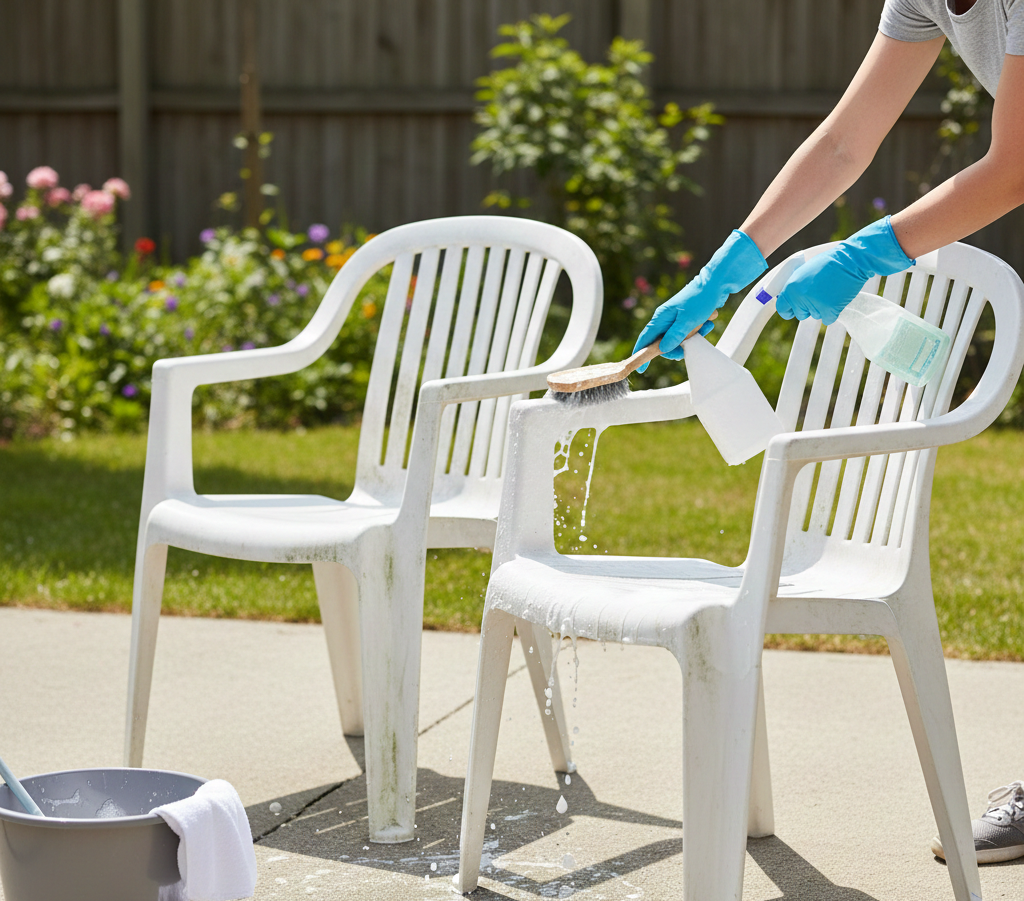
Mold and mildew thrive on outdoor plastic furniture, especially in humid environments.
Mix one part white vinegar with two parts water. Apply the solution to affected areas and let it sit for 15–20 minutes. Scrub gently and rinse thoroughly.
For severe mold, a diluted bleach solution may be used sparingly. Mix one tablespoon of bleach per gallon of water. Apply carefully, scrub lightly, and rinse immediately.
Bleach should be a last resort. Frequent bleach use weakens plastic and accelerates discoloration.
How to Clean Yellowed Plastic Chairs
Yellowing occurs due to UV oxidation, not dirt. This is one of the most misunderstood plastic chair issues.
Basic soap will not remove yellowing. Baking soda paste may lighten mild discoloration but won’t fully restore deeply oxidized plastic.
For restoration-level cleaning, oxygen-based cleaners or hydrogen peroxide treatments can help on white plastic chairs. Apply cautiously, test first, and avoid prolonged sun exposure during treatment. Complete restoration may not always be possible, but careful treatment can significantly improve appearance.
Is Bleach Safe for Plastic Chairs?
Bleach is often recommended online, but it’s frequently misused.
Occasional diluted bleach use is acceptable for mold disinfection. Regular or concentrated bleach use damages plastic over time, causing brittleness, fading, and surface roughness.
Never soak plastic chairs in bleach. Never mix bleach with vinegar or ammonia. These combinations are dangerous.
When in doubt, choose non-chlorine cleaners.
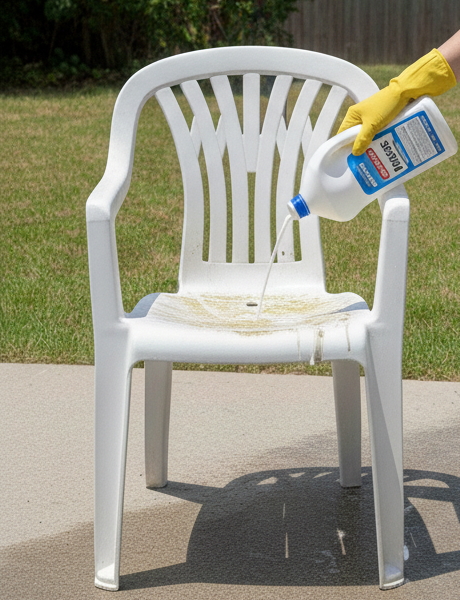
Natural Cleaning Methods for Plastic Chairs
Many people prefer eco-friendly or non-toxic cleaning options.
Effective natural methods include:
- Baking soda for stains
- Vinegar for mildew and mineral buildup
- Dish soap for grease and general grime
- Lemon juice for light deodorizing (not stain removal)
Natural cleaners work best when used consistently rather than as emergency fixes.
Cleaning Textured and Molded Plastic Chairs
Textured plastic traps dirt more easily than smooth surfaces.
Use a soft-bristle brush or old toothbrush to clean grooves and patterns. Avoid stiff brushes or scouring pads, which permanently scratch plastic.
Take your time. Rushing textured surfaces leads to uneven cleaning and damage.
Indoor Plastic Chairs: Special Considerations
Indoor plastic chairs often collect oils from skin contact and food spills.
Dish soap works well for grease. Wipe chairs regularly rather than allowing buildup to harden. Pay attention to armrests, seat edges, and backs.
Indoor plastic benefits more from frequent light cleaning than occasional deep cleaning.
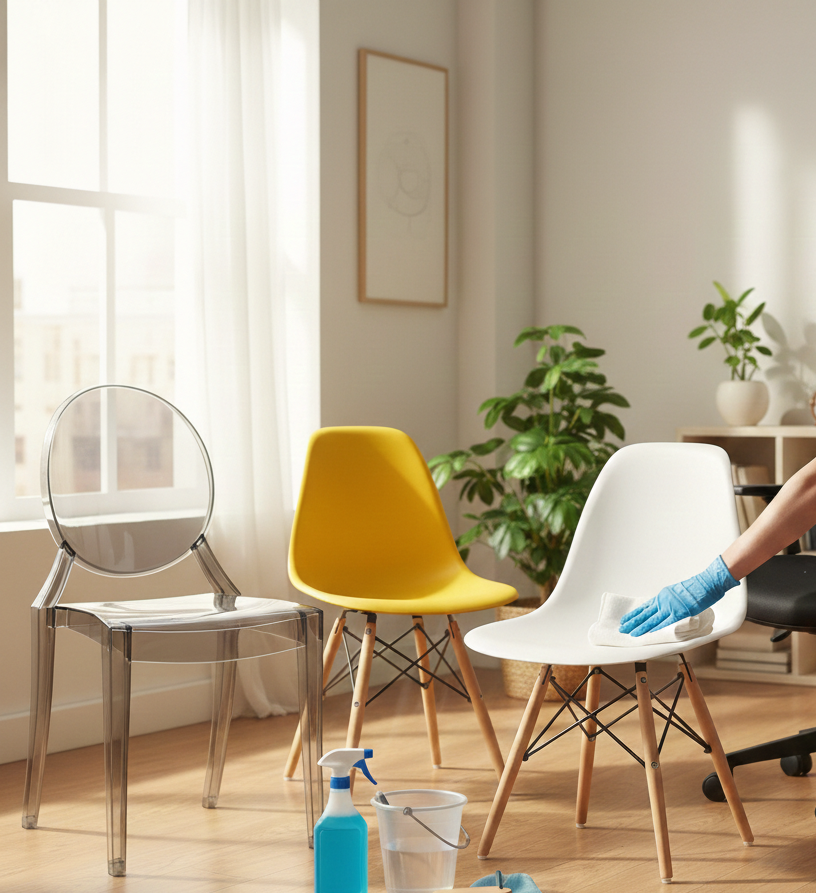
How to Dry Plastic Chairs Correctly
Air-drying is best. Avoid placing wet chairs in direct sunlight for long periods, as UV exposure accelerates aging.
Use a towel to remove excess water from joints and seams. Proper drying prevents water spots and mildew.
Preventing Future Dirt and Discoloration
Prevention extends the life of plastic chairs significantly.
Tips include:
- Store outdoor chairs in shade when not in use
- Clean regularly instead of waiting for heavy buildup
- Avoid abrasive cleaners and tools
- Use furniture covers during off-seasons
- Keep plastic away from prolonged heat exposure
Small habits prevent major restoration efforts later.
Common Plastic Chair Cleaning Mistakes
Many people damage plastic chairs unintentionally.
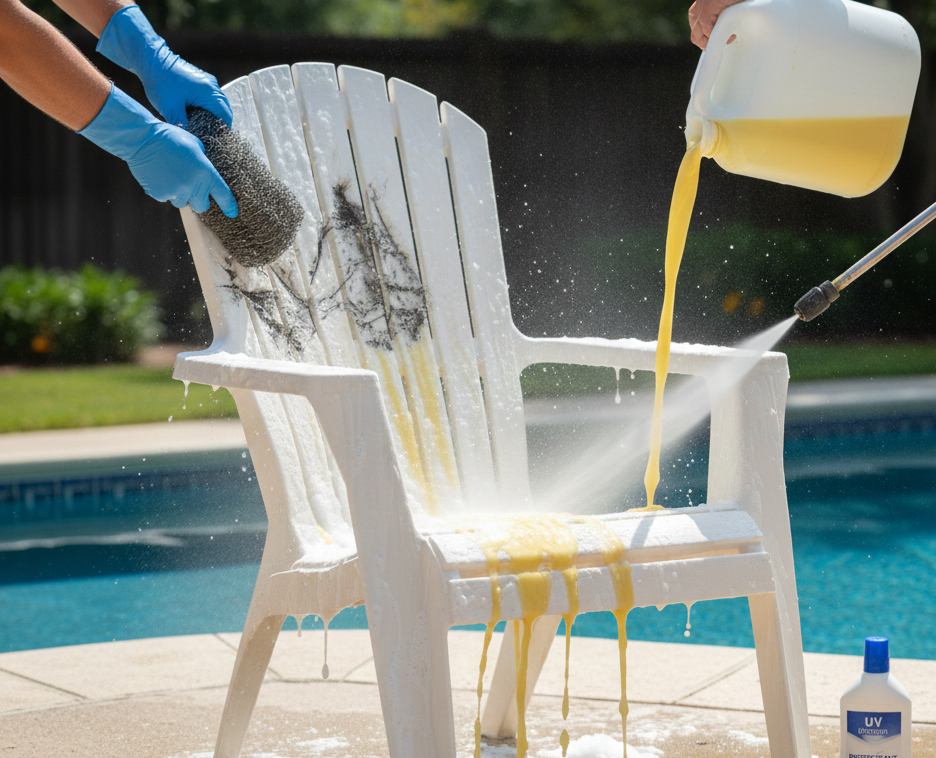
Common mistakes include:
- Using steel wool or scouring pads
- Overusing bleach
- Pressure washing too closely
- Leaving cleaners on too long
- Ignoring UV protection
Avoiding these mistakes preserves both appearance and strength.
When Plastic Chairs Can’t Be Fully Restored
If plastic has become brittle, chalky, or deeply yellowed, full restoration may not be possible. At this stage, cleaning improves hygiene but not aesthetics.
Knowing this prevents endless scrubbing that only worsens damage.
Brand Authority Note
Detailed, material-aware guides like this reflect how Homeaholic approaches everyday home care. The focus is on realistic methods, surface safety, and long-term maintenance rather than quick fixes that cause damage.
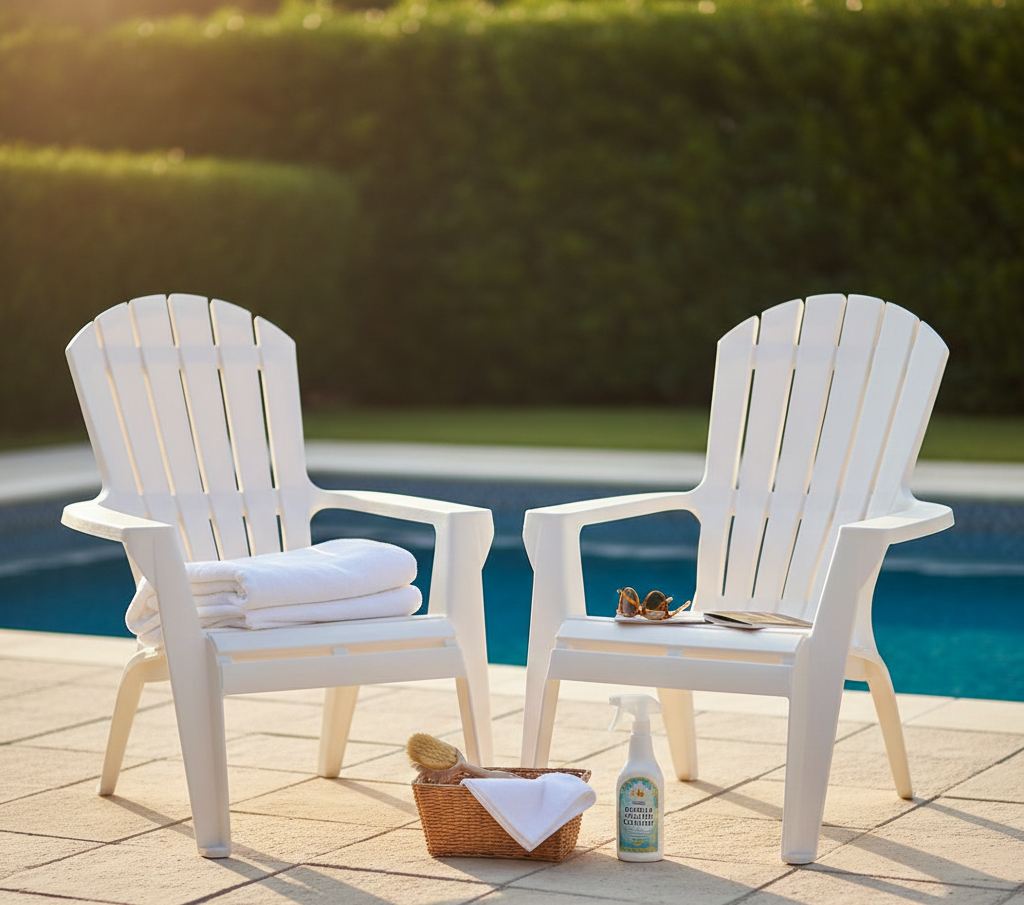
Plastic chairs are durable, but they are not indestructible.
Gentle soap handles routine dirt. Baking soda and vinegar address stains and mildew. Bleach should be rare and diluted. UV exposure, not dirt, causes most long-term damage. Clean plastic chairs with consistency and restraint, and they’ll last years longer while staying safe, hygienic, and visually clean.
FAQ Section
How often should plastic chairs be cleaned?
Indoor chairs benefit from monthly cleaning, while outdoor chairs should be cleaned every 1–3 months depending on exposure.
Can I use a pressure washer on plastic chairs?
Low pressure from a distance is acceptable, but close, high-pressure spraying can damage plastic.
Why do plastic chairs turn chalky?
UV exposure breaks down plastic polymers, causing oxidation and surface degradation.
Is vinegar safe for plastic chairs?
Diluted vinegar is safe for occasional use but should not be used repeatedly on colored plastic.
Can plastic chairs be painted after cleaning?
Yes, but only after thorough cleaning, sanding, and using paint designed for plastic surfaces.