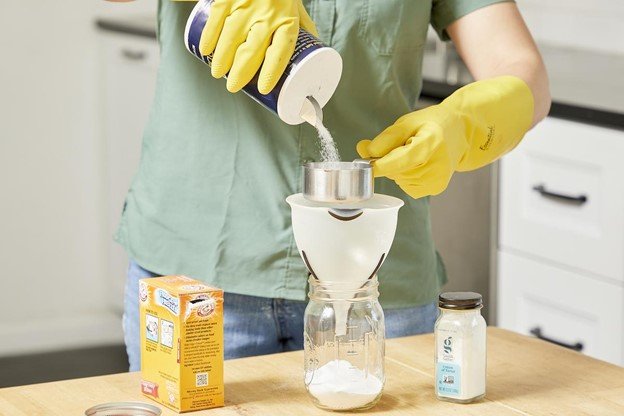
To unclog a drain using home remedies, pour baking soda followed by vinegar, let the reaction sit for 10–15 minutes, then flush with hot water. This method works best for light clogs caused by grease, soap, or debris and is a safe alternative to chemical cleaners. This page explores the vast DIY and Safe/Natural home remedies for unclogging drains at home without the help of a Plumber or any kind of expertise in this field whatsoever.
Home remedies for unclogging drains are widely used because they are affordable, accessible, and safe for most plumbing systems. However, their effectiveness depends on the type of clog and proper application. Homeaholic focuses on a structured approach that matches each remedy to the clog type for better results.
Key Characteristics of Home Remedies
- Use natural or household ingredients
- Safe for most pipes when used correctly
- Effective for light to moderate clogs
- Require proper timing and sequence
- Limited effectiveness for deep or solid blockages
Quick 60-Second Drain Fix
For users who need a fast solution, a simplified method can provide quick results for light clogs. This approach focuses on speed while still using effective ingredients that can loosen minor buildup.
This method is ideal for early-stage clogs or routine maintenance. While it may not work for severe blockages, it provides a quick and easy first attempt before moving to more detailed solutions.
Quick Fix Steps
- Add baking soda into drain
- Pour vinegar immediately
- Wait briefly for reaction
- Flush with hot water
When to Use
- Light clog
- Slow drainage
- Preventive cleaning
Key Insight
- Quick methods improve engagement
- Ideal for minor issues
- First step before deeper solutions
What Causes Drains to Get Clogged?
Drains become clogged when materials accumulate inside the pipe and restrict water flow. Over time, substances like grease, hair, soap residue, and food particles build up and form blockages. These clogs can vary in density and location, which directly affects how easily they can be removed.
Understanding the cause of the clog is essential before applying any remedy. Using the wrong method can either have no effect or push the blockage deeper into the pipe. Identifying the clog type helps choose the correct solution for faster and safer results.
Common Causes of Drain Clogs
- Grease buildup in kitchen drains
- Hair accumulation in bathroom drains
- Soap scum forming sticky residue
- Food debris blocking pipes
Key Insight
- Cause determines solution
- Different clogs require different remedies
- Misidentification leads to failure
Why Do Home Remedies Work for Unclogging Drains?
Home remedies work by loosening, dissolving, or flushing clogs depending on the ingredient used.
Home remedies work by either dissolving, loosening, or flushing the clog out of the pipe. Some methods rely on chemical reactions, while others use heat or lubrication to break down the blockage.
The most common method, baking soda and vinegar, creates a fizzing reaction that helps loosen debris. Hot water helps melt grease, while dish soap reduces friction and allows buildup to move through the pipe.
How Remedies Work
- Chemical reaction → loosens clog
- Heat → melts grease
- Lubrication → improves flow
Key Insight
- Each remedy has a specific function
- Effectiveness depends on clog type
- Combining methods improves results
What Are the Best Home Remedies for Unclogging Drains?
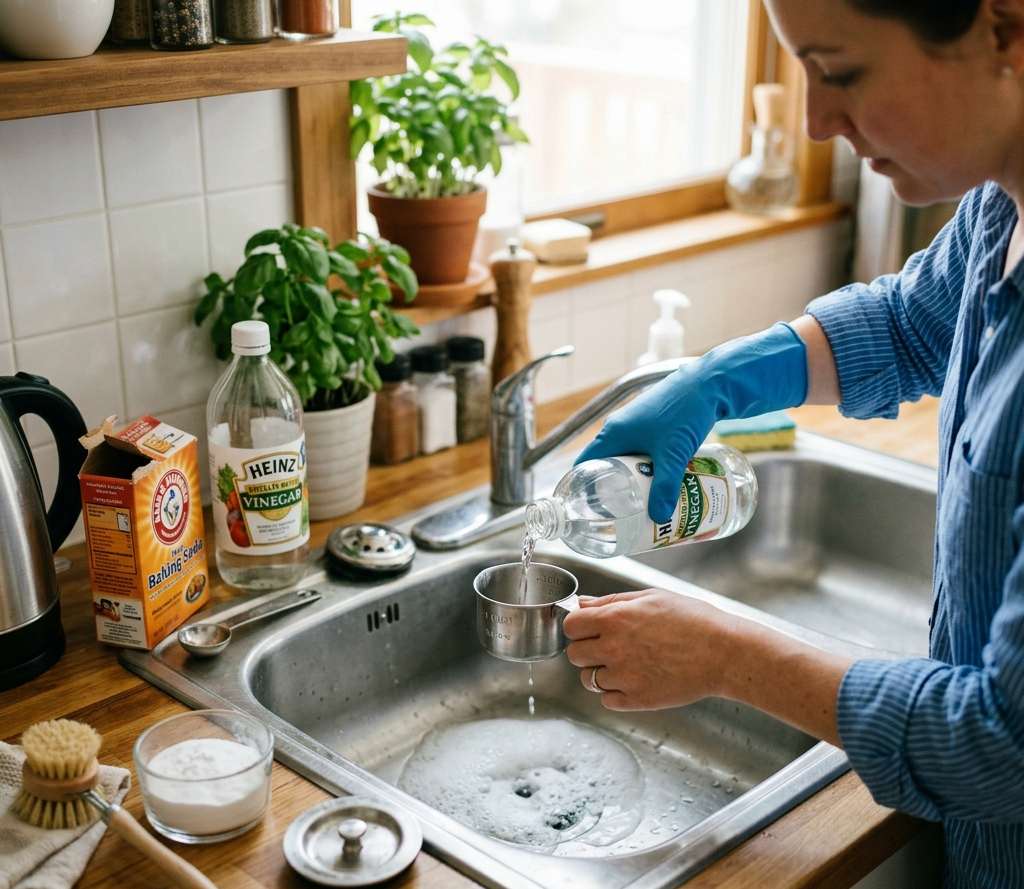
Several home remedies are commonly used, but their effectiveness varies depending on the situation. Choosing the right one ensures better results and prevents unnecessary repetition.
Each remedy should be applied with the correct timing and sequence. Improper use reduces effectiveness and may delay the unclogging process.
Common Home Remedies
- Baking soda and vinegar
- Hot water flush
- Dish soap and warm water
- Salt and hot water
Key Insight
- No single remedy works for all clogs
- Selection should match clog type
- Proper sequence is essential
How to Use Baking Soda and Vinegar Step-by-Step
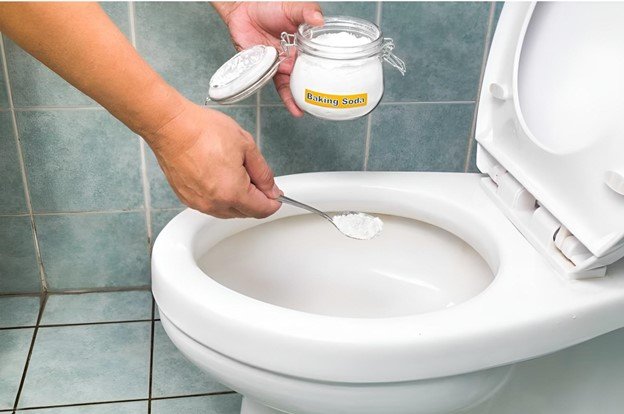
Baking soda and vinegar is the most popular home remedy due to its simplicity and effectiveness for light clogs. The reaction between the two creates gas bubbles that help loosen debris.
This method is most effective when followed by hot water, which flushes out the loosened material.
Step-by-Step Process
- Pour baking soda into drain
- Add vinegar immediately
- Allow reaction for 10–15 minutes
- Flush with hot water
Tips for Best Results
- Use correct proportions
- Do not interrupt reaction
- Repeat if necessary
Key Insight
- Reaction loosens clog, not removes it
- Hot water completes the process
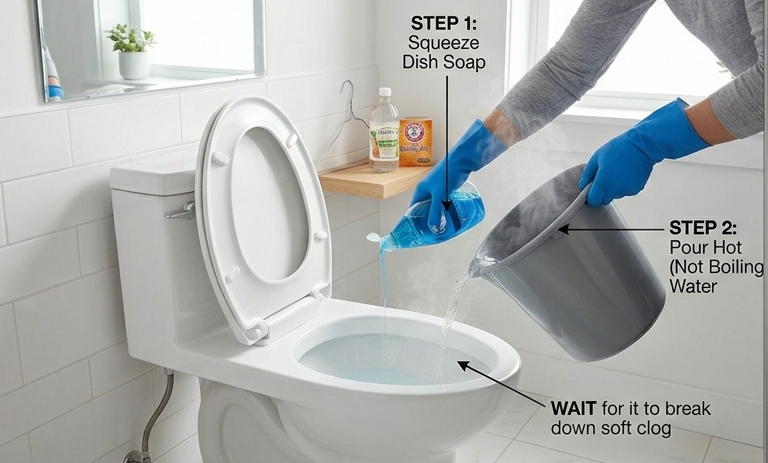
How to Use Hot Water and Dish Soap for Grease Clogs
Grease clogs are common in kitchen drains and require a different approach. Dish soap helps break down grease while hot water melts it, allowing it to move through the pipe.
This method is simple but highly effective when applied correctly. It works best when the clog is caused by oil or fat buildup.
Step-by-Step Process
- Add dish soap to drain
- Pour hot water slowly
- Repeat if needed
Why It Works
- Soap breaks grease
- Heat melts buildup
Key Insight
- Ideal for kitchen drains
- Ineffective for hair clogs
How to Remove Hair Clogs Naturally
Hair clogs are common in bathroom drains and cannot be dissolved easily by chemical reactions. Instead, they require loosening and flushing methods.
Natural remedies can help reduce the buildup, but mechanical removal may still be necessary for complete clearing.
Methods for Hair Clogs
- Baking soda + vinegar (light buildup)
- Hot water flushing
- Manual removal if needed
Key Insight
- Hair is resistant to chemical breakdown
- Combination methods work best
Which Remedy Works Best for Each Type of Clog?
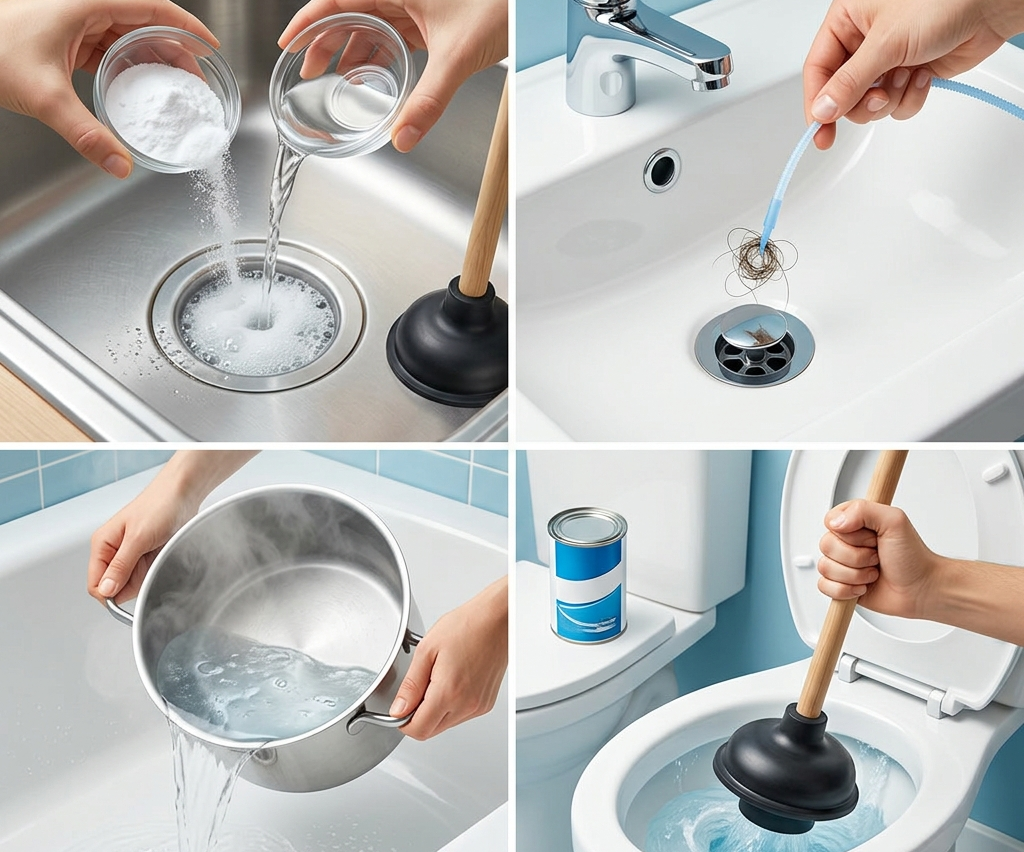
The best remedy depends on the clog type, with grease responding to hot water and soap, and debris responding to baking soda and vinegar.
Different clogs require different remedies. Matching the method to the clog type improves efficiency and reduces effort.
Using the wrong remedy wastes time and may worsen the blockage.
Remedy Matching Guide
- Grease → hot water + soap
- Soap scum → baking soda + vinegar
- Hair → combination + removal
- Food debris → flushing methods
Key Insight
- Correct match improves success rate
- One-size approach does not work
Why Your Home Remedy Is Not Working
If a home remedy fails, it is usually due to incorrect application or an unsuitable clog type. Understanding the reason helps adjust the approach.
Most failures occur when the clog is too dense or located too deep for home remedies to reach.
Common Reasons for Failure
- Wrong remedy used
- Insufficient time
- Deep blockage
- Repeated buildup
How to Fix It
- Try alternative remedy
- Repeat with correct timing
- Escalate if needed
Key Insight
- Failure is often method-related
- Adjusting approach improves results
How Long Do Home Remedies Take to Work?
Time expectations are critical for understanding whether a remedy is working or failing. Many users either stop too early or continue repeating ineffective methods without realizing that the clog requires a different approach. Clear timing benchmarks help users make better decisions.
Different clog types respond at different speeds. Light clogs clear quickly, while more complex blockages may take longer or require escalation. Using time as a diagnostic tool improves efficiency and reduces frustration.
Time Expectations
- Light clog
- 5–10 minutes
- clears quickly with correct method
- Moderate clog
- 10–20 minutes
- may require repeated cycles
- Heavy clog
- may not respond
- requires tool-based solution
Key Insight
- Time indicates effectiveness
- Longer duration = deeper problem
- Use time to decide next step
When Should You Stop Using Home Remedies?
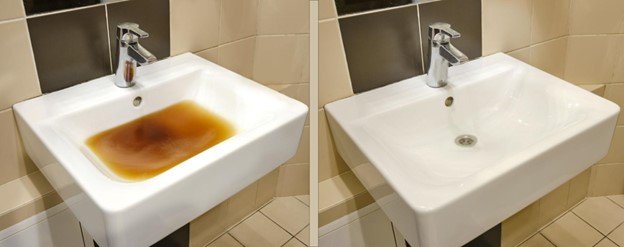
Home remedies are effective only up to a certain point. Continuing beyond that point wastes time and may worsen the clog.
Recognizing when to stop ensures that you switch to more effective methods quickly.
Signs to Stop
- No improvement after multiple attempts
- Water not draining at all
- Recurring clog
Next Steps
- Use plunger
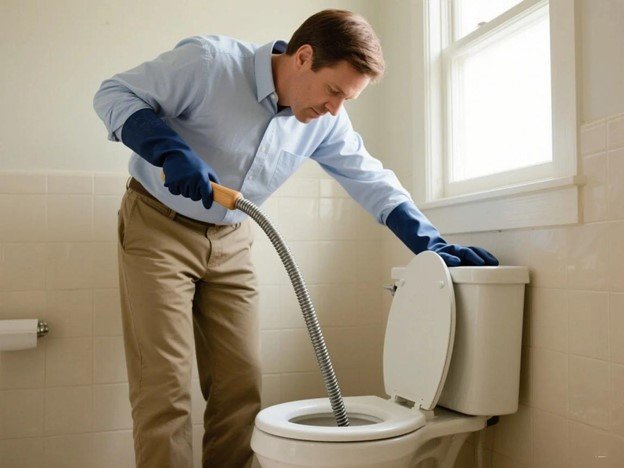
- Use drain snake
- Call plumber
Key Insight
- Home remedies have limits
- Escalation is part of the process
When to Switch from Home Remedies to Tools
Home remedies are effective for light and moderate clogs, but they have clear limitations. Continuing to rely on them beyond their effectiveness wastes time and may worsen the blockage. Knowing when to switch ensures faster resolution and prevents unnecessary effort.
This boundary acts as a transition point between DIY solutions and more advanced tools like plungers or drain snakes. Recognizing these signals helps users move from simple fixes to more effective methods without delay.
Switch to Tools When
- No result after 2–3 attempts
- Water not draining at all
- Clog returns repeatedly
- Drain flow worsens over time
Recommended Next Steps
- Use a plunger for pressure-based clearing
- Use a drain snake for deeper clogs
- Seek professional help if needed
Key Insight
- DIY methods have limits
- Escalation improves success rate
- Faster switching saves time
Are Home Remedies Safe for All Pipes?
Home remedies are generally safe when used correctly, but excessive heat or repeated use can damage certain pipe materials.
Home remedies are generally safe, but improper use can still cause issues. Hot water and chemical reactions should be used carefully to avoid damaging pipes.
Understanding pipe material helps determine safe usage.
Safety Considerations
- Avoid boiling water in PVC pipes
- Do not mix chemicals
- Use moderate quantities
Key Insight
- Safe when used correctly
- Misuse can cause damage
Home Remedy Comparison Table
A comparison table helps users quickly understand which remedy to use without reading long explanations. It simplifies decision-making and improves engagement by presenting key information in a structured format that is easy to scan.
This table also strengthens AI extraction because structured data is easier to interpret. It allows search engines to connect remedy types with their effectiveness and use cases more clearly.
Comparison Table
| Remedy | Best For | Effectiveness | Time |
| Baking soda + vinegar | Soap/debris | Medium | 10–15 min |
| Hot water + soap | Grease | High | 5–10 min |
| Salt + hot water | Mild buildup | Low | 10 min |
How to Prevent Future Drain Clogs
Prevention reduces the need for repeated unclogging. Simple habits can keep drains clear and functioning properly.
Consistent maintenance is the most effective way to avoid blockages.
Prevention Tips
- Avoid pouring grease down drains
- Use drain covers
- Flush regularly with hot water
Key Insight
- Prevention is easier than fixing clogs
Real-World Case Study: DIY Remedy Success vs Failure
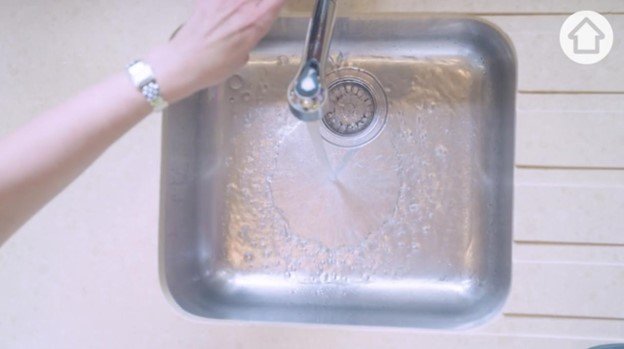
A user attempted to unclog a slow-draining kitchen sink using the popular baking soda and vinegar method. Despite repeating the process multiple times, there was no visible improvement in drainage. The reaction produced fizzing, but the clog remained intact because the blockage was caused by hardened grease buildup rather than loose debris. This highlights a common mistake where users rely on a single remedy without considering the underlying cause of the clog.
The solution came when the user switched to a method better suited for grease-based blockages. By applying dish soap followed by hot water, the grease began to break down and loosen. The heat softened the buildup while the soap reduced its adhesion to the pipe walls. Within a short period, the clog dissolved and normal water flow was restored. This case demonstrates that success depends on selecting the right method for the specific clog type rather than repeating ineffective solutions.
Breakdown of the Scenario
- Initial approach → baking soda + vinegar
- Core problem → grease-based clog
- Limitation → reaction ineffective for grease
- Adjustment → switched to hot water + dish soap
- Method change → targeted grease dissolution
- Outcome → clog cleared successfully
What Changed in the Successful Attempt
- Correct remedy matched to clog type
- Heat applied to soften grease
- Soap used to break down residue
- Flushing removed loosened buildup
Key Takeaway
- Not all clogs respond to chemical reactions
- Grease requires heat + lubrication
- Correct method selection ensures faster results
Expert Insight
Home remedies are effective only when they are matched correctly to the type of clog present in the drain. Each method works through a different mechanism, whether it is chemical reaction, heat-based dissolution, or lubrication. Applying the wrong remedy may produce visible activity, such as fizzing, but fail to address the actual blockage. This leads to repeated attempts with no improvement.
From a practical perspective, unclogging drains should be approached as a decision-based process rather than a trial-and-error method. Identifying the clog type first allows you to select the most effective remedy immediately. This not only improves efficiency but also reduces the risk of pushing the clog deeper or wasting time on ineffective solutions.
Expert Recommendations
- Identify clog type before applying remedy
- Use baking soda + vinegar for light debris
- Use hot water + soap for grease buildup
- Avoid repeating ineffective methods
- Escalate if no improvement is seen
Strategic Insight from Homeaholic
- Method selection is more important than repetition
- Understanding how remedies work improves success rate
- Structured approach prevents trial-and-error mistakes
Homeaholic recommends treating home remedies as part of a step-by-step system rather than isolated fixes. When users combine proper diagnosis with the correct method, they achieve faster, safer, and more reliable results, turning simple household solutions into an effective drain maintenance strategy.
FAQ Section
Do home remedies really work?
Yes, for light clogs.
Is baking soda and vinegar effective?
Yes, for certain types of buildup.
Can hot water damage pipes?
Yes, if too hot for PVC.
When should I call a plumber?
When remedies fail repeatedly.