
Down pillows are soft, lightweight pillows filled with natural duck or goose down clusters that provide plush comfort and adjustable support. The right pillow depends on fill power, firmness, loft, and how well it matches your sleep position and long-term maintenance needs.
Down pillows are widely known for their luxury feel and adaptability, but they require informed selection to deliver real benefits. Unlike synthetic or foam options, down pillows adjust dynamically to your head and neck, which can improve comfort but also reduce structured support if not chosen correctly. Their performance is highly dependent on fill quality, density, and how consistently they maintain loft over time.
Key characteristics that define down pillows:
- Naturally soft and compressible structure
- High breathability due to air-trapping clusters
- Adjustable shape that conforms to pressure
- Lightweight feel compared to foam alternatives
- Requires regular fluffing to maintain performance
What Are Down Pillows and How Do They Work?
Down pillows are filled with the soft inner plumage found beneath the outer feathers of ducks or geese. These clusters are three-dimensional and trap air efficiently, creating a soft yet insulating structure that supports the head gently without resistance.
Unlike structured pillows, down pillows work by redistributing filling based on pressure. When you rest your head, the clusters compress and shift, allowing the pillow to mold to your shape. This creates a personalized comfort experience, but also means that support depends heavily on fill density and maintenance.
How down pillows function:
- Air pockets provide cushioning and softness
- Clusters compress under pressure for contouring
- Fill redistributes for customized support
- Loft determines height and comfort level
- Recovery depends on regular fluffing
This adaptive behavior is what makes down pillows unique, but it also requires users to understand how to maintain and choose them properly.
What Is Fill Power and Why Does It Matter?
Fill power is a measurement of how much space one ounce of down occupies, indicating the quality and loft of the material. Higher fill power means larger, more resilient clusters that trap more air and maintain shape longer.
A pillow with higher fill power feels lighter yet more supportive because it maintains loft without requiring excessive fill weight. Lower fill power pillows are denser and heavier but tend to flatten more quickly over time, reducing comfort and lifespan.
Fill power ranges and meaning:
- 500–600 → basic quality, less durable
- 600–700 → mid-range performance
- 700–800 → premium comfort and longevity
- 800+ → luxury grade with maximum loft
Why fill power matters:
- Determines softness and fluffiness
- Affects durability and lifespan
- Influences support level
- Impacts overall comfort experience
Choosing the right fill power ensures that the pillow maintains its structure and comfort over time.
Are Down Pillows Good for Sleep?

Down pillows are excellent for comfort-focused sleepers due to their soft and adaptive nature. They reduce pressure points and provide a plush sleeping surface that many users find relaxing and luxurious.
However, their effectiveness depends on how well they match your sleep needs. While they offer superior comfort, they may not provide enough structural support for people who require firm neck alignment. This makes them ideal for some sleepers and less suitable for others.
Benefits of down pillows:
- Soft and pressure-relieving
- Highly breathable for temperature regulation
- Adjustable to different sleeping positions
- Lightweight and easy to shape
Limitations:
- May lack firm support
- Require frequent fluffing
- Can flatten over time
Understanding these trade-offs helps determine whether down pillows are the right choice for your sleep style.
Down vs Feather Pillows: What’s the Difference?
Down and feather pillows differ in structure, feel, and support. Down consists of soft clusters without quills, while feather pillows include quills that add firmness and structure.
Down pillows are softer and more luxurious, while feather pillows provide more resistance and support. The presence of quills in feather pillows can create a firmer feel but may reduce comfort for some users.
Key differences:
- Down → soft, fluffy, no quills
- Feather → firmer, contains quills
- Down → better insulation and comfort
- Feather → more structured support
Choosing between them depends on whether you prioritize softness or firmness. Many pillows combine both materials to balance comfort and support.
Down Pillows vs Memory Foam: Which Is Better?
Down pillows and memory foam pillows represent two completely different approaches to sleep comfort. Down pillows focus on softness and adaptability, while memory foam emphasizes structured support and pressure distribution. Choosing between them depends on whether you prioritize comfort or consistent alignment.
Memory foam maintains a fixed shape and provides stable support throughout the night. In contrast, down pillows adjust continuously, allowing for greater comfort but less structural consistency. Understanding these differences helps determine which option aligns with your sleep needs and preferences.
Comparison Table
| Feature | Down Pillows | Memory Foam |
| Comfort | Very soft | Medium-firm |
| Support | Adjustable | Structured |
| Shape retention | Low | High |
| Breathability | Excellent | Moderate |
| Durability | Medium | High |
When to Choose Down
- Prefer soft, plush feel
- Like adjustable shape
- Sleep in multiple positions
When to Choose Memory Foam
- Need firm neck support
- Have chronic neck pain
- Prefer consistent structure
Key Insight
- Down = comfort-focused
- Memory foam = support-focused
- Best choice depends on sleep priorities
How to Choose the Right Down Pillow for Your Sleep Position
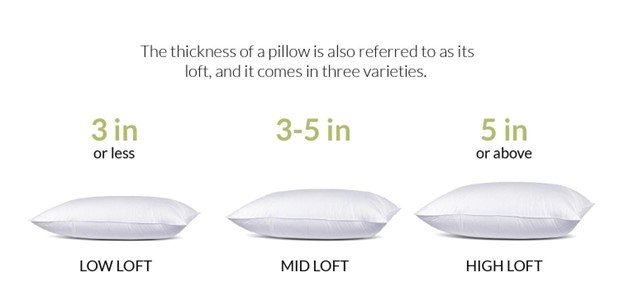
Selecting a down pillow based on sleep position ensures proper spinal alignment and comfort. Different positions require different loft and firmness levels to support the neck correctly.
Side sleepers need higher loft to fill the gap between shoulder and neck, while back sleepers require medium loft for balanced support. Stomach sleepers need low loft to prevent neck strain.
Sleep position guide:
- Side sleepers → high loft, firm fill
- Back sleepers → medium loft, medium fill
- Stomach sleepers → low loft, soft fill
Choosing the wrong combination can lead to discomfort and poor sleep quality. Matching pillow characteristics to your position ensures better alignment and reduced strain.
How to Choose the Perfect Down Pillow (Step-by-Step System)
Choosing the right down pillow should follow a structured decision process rather than relying on comfort perception alone. Most buyers make the mistake of selecting a pillow based on softness or brand reputation, but down pillows require alignment between sleep position, loft, fill power, and firmness to perform correctly. A systematic approach ensures that the pillow supports both comfort and spinal alignment over long-term use.
The key is to treat pillow selection as a layered decision. Each step builds on the previous one, eliminating mismatches that lead to discomfort or poor sleep quality. By following a step-by-step system, you can narrow down the ideal pillow configuration without trial and error, making the purchase both efficient and accurate.
Step-by-Step Selection Framework
Step 1: Identify sleep position
- Side → high loft, firmer fill
- Back → medium loft, balanced fill
- Stomach → low loft, soft fill
Step 2: Select loft level
- Determines head elevation
- Must align with shoulder height and posture
Step 3: Choose fill power
- 600–700 → moderate durability
- 700–800 → premium performance
- 800+ → maximum loft and longevity
Step 4: Adjust firmness
- Based on fill quantity, not material
- Higher fill → firmer feel
Step 5: Consider allergy sensitivity
- Choose hypoallergenic treated down
- Use protective covers
Key Insight
- A perfect pillow is a combination of variables, not a single feature
- Matching all 5 steps ensures optimal comfort + support
- Skipping steps leads to long-term discomfort
How Firm Should a Down Pillow Be?
Firmness in down pillows is determined by the amount of filling rather than the material itself. Increasing fill density creates more resistance and support.
Soft pillows are ideal for comfort-focused sleepers, while firmer options provide better neck alignment. Since down is naturally soft, achieving firmness requires careful balance of fill quantity and construction.
Firmness levels:
- Soft → maximum comfort, low support
- Medium → balanced comfort and support
- Firm → higher support, less compression
Selecting the right firmness ensures that the pillow maintains its shape and provides consistent support throughout the night.
Loft vs Support: How Pillow Height Affects Your Spine
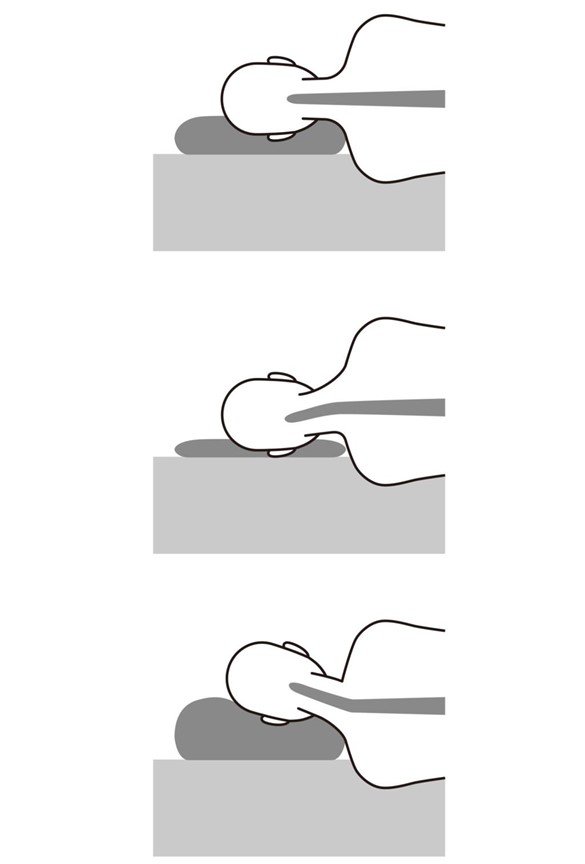
Loft refers to the height of the pillow, and it directly determines how your head and neck align with your spine during sleep. While many users focus on softness or firmness, loft is actually the most critical factor in maintaining proper posture. Incorrect loft leads to neck strain, muscle tension, and long-term discomfort, even if the pillow feels comfortable initially.
Down pillows are particularly sensitive to loft because they compress easily. This means that the actual support level depends not just on the starting height, but how the pillow behaves under pressure. A pillow that looks full may flatten significantly during use, reducing its effective loft and compromising alignment.
Loft and Spine Alignment
Low loft
- Head sinks too far
- Neck bends downward
- Common issue for side sleepers
High loft
- Head pushed upward
- Neck tilts unnaturally
- Causes stiffness over time
Correct loft
- Neutral spine alignment
- Head aligned with shoulders
- Minimal muscle strain
How to Determine Correct Loft
- Measure shoulder width (side sleepers need higher loft)
- Test compression under head weight
- Ensure neck remains straight when lying down
Key Insight
- Loft determines alignment, not just comfort
- Proper alignment prevents neck pain and improves sleep quality
- Down pillows require higher fill density to maintain effective loft
Are Down Pillows Hypoallergenic?
Down pillows can be hypoallergenic if properly processed and maintained. High-quality down is cleaned thoroughly to remove dust, allergens, and impurities.
However, sensitivity varies among individuals. Using protective covers and maintaining cleanliness reduces the risk of allergic reactions and improves hygiene.
Key considerations:
- Choose certified hypoallergenic options
- Use pillow protectors
- Wash regularly
- Avoid low-quality untreated down
Proper care ensures that down pillows remain safe and comfortable for most users.
How Long Do Down Pillows Last?
Down pillows typically last between 2 to 5 years depending on quality and maintenance. Higher fill power pillows tend to last longer due to better resilience and structure.
Over time, pillows may lose loft and become flat, reducing comfort and support. Regular care helps extend lifespan and maintain performance.
Factors affecting lifespan:
- fill quality
- usage frequency
- maintenance routine
- environmental conditions
Proper care ensures consistent comfort and delays replacement.
How Down Pillows Lose Loft Over Time (Real Performance Timeline)
Down pillows do not fail suddenly; they degrade gradually through loss of loft and resilience. Understanding this timeline helps set realistic expectations and ensures timely replacement before comfort and support decline significantly.
The primary cause of degradation is repeated compression, which breaks down the structure of down clusters. Over time, the clusters lose their ability to trap air, resulting in reduced volume and support. Maintenance can slow this process but cannot completely prevent it.
Performance Timeline
- Year 1
- Maximum loft and softness
- Optimal performance
- Year 2–3
- Slight compression
- Requires more frequent fluffing
- Year 4–5
- Noticeable flattening
- Reduced support
- Beyond 5 years
- Significant degradation
- Replacement recommended
Signs of Wear
- pillow remains flat after fluffing
- reduced comfort
- uneven filling distribution
Key Insight
- Higher fill power slows degradation
- Maintenance extends lifespan but doesn’t stop decline
- Replace before performance drops significantly
How to Clean and Maintain Down Pillows
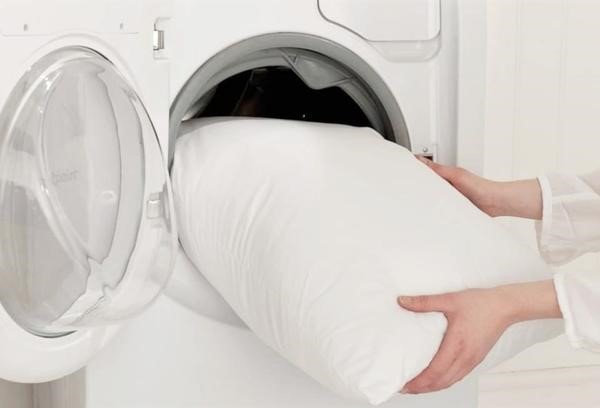
Cleaning and maintenance are essential to preserve hygiene and performance. Down pillows can be washed, but require careful handling to avoid damage.
Regular fluffing restores loft, while proper washing removes dirt and oils. Thorough drying is critical to prevent moisture-related issues.
Maintenance steps:
- fluff daily
- wash periodically
- dry completely
- use protective covers
Consistent care ensures long-term durability and comfort.
How Much Do Down Pillows Cost?
Down pillow prices vary based on fill power, material quality, and brand. Basic options are affordable, while premium pillows offer better performance and longevity.
Cost considerations:
- fill quality
- construction
- brand reputation
- durability
Higher investment often results in better long-term value.
Common Problems and How to Avoid Them
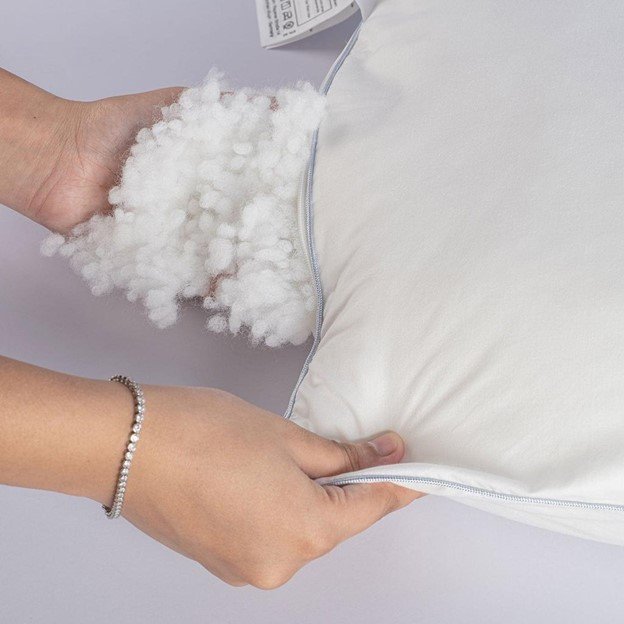
Down pillows can develop issues such as flattening, clumping, and reduced support. These problems are usually caused by improper use or maintenance.
Preventive measures:
- regular fluffing
- proper washing
- correct storage
- choosing high fill power
Avoiding these issues ensures consistent performance.
Are Down Pillows Worth It?
Down pillows are worth it for users who prioritize comfort and softness. They provide a premium sleeping experience that is difficult to replicate with synthetic materials.
However, they may not suit everyone, especially those needing firm support or dealing with allergies. Evaluating personal needs ensures the right decision.
Common Buying Mistakes When Choosing Down Pillows

Many buyers choose down pillows based on surface-level factors such as softness or price, which often leads to dissatisfaction. Understanding common mistakes helps avoid poor decisions and ensures better long-term performance.
The biggest issue is ignoring how different variables interact. A pillow may feel perfect initially but fail to provide consistent support if it doesn’t match your sleep position or loft requirements. Recognizing these pitfalls allows for smarter purchasing decisions.
Most Common Mistakes
- Choosing softness without considering support
- Ignoring fill power and quality
- Selecting incorrect loft for sleep position
- Buying low-quality untreated down
- Not considering maintenance requirements
How to Avoid Them
- Follow a structured selection system
- Prioritize alignment over comfort alone
- Invest in higher fill power for durability
- Use protective covers
Key Insight
- Most problems are caused by wrong selection, not bad products
- Correct choices eliminate the majority of issues
- Understanding variables leads to better long-term satisfaction
Real-World Case Study: Comfort vs Support Trade-Off
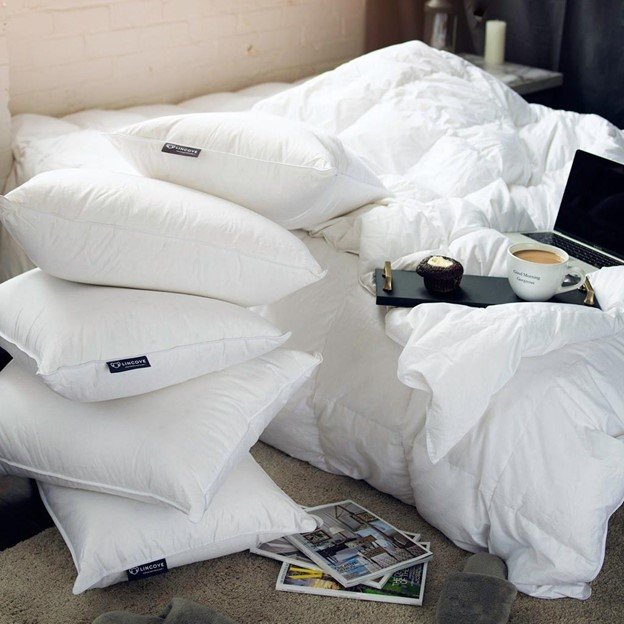
A user transitioned from a memory foam pillow to a down pillow primarily for increased comfort and a softer sleep surface. Initially, the switch delivered immediate improvements in perceived comfort, as the down pillow reduced pressure points and allowed the head to sink naturally without resistance. However, within a few weeks, the user began experiencing mild neck discomfort due to insufficient structural support, especially during longer sleep cycles.
This situation highlights a common issue with down pillows. While they excel in softness and adaptability, they often lack the inherent structure needed to maintain proper spinal alignment without correct fill density. The user resolved this by switching to a medium-fill down pillow, which increased loft and support without sacrificing comfort. This adjustment created a balanced experience where the pillow maintained shape while still offering the softness expected from down.
Breakdown of the scenario:
- Initial setup → low-fill down pillow (high comfort, low support)
- Problem → neck misalignment over extended sleep
- Adjustment → medium-fill down pillow
- Result → improved alignment + maintained comfort
Key takeaway:
- Comfort alone is not enough
- Support must match sleep position
- Fill density directly impacts usability
- Trial and adjustment are often required
This case demonstrates that the best down pillow is not the softest one, but the one that balances comfort with structural support based on individual needs.
Expert Insight
Down pillows are often misunderstood as purely luxury items focused on softness, but their performance is highly dependent on correct selection and maintenance. Experts emphasize that fill power, loft, and firmness must work together to provide both comfort and proper spinal alignment. Without this balance, even high-quality down pillows can fail to deliver consistent sleep support over time.
From a performance perspective, down behaves differently than foam or synthetic materials. It compresses easily and redistributes under pressure, which is ideal for comfort but requires careful calibration to maintain support. This is why experts recommend selecting pillows based on sleep position and adjusting fill levels rather than choosing based on softness alone.
Expert recommendations:
- Choose fill power based on durability needs (700+ for long-term use)
- Match firmness with sleep position (side sleepers need more support)
- Use pillow protectors to extend lifespan
- Fluff regularly to maintain loft and performance
Strategic insight from Homeaholic:
- Comfort without support leads to long-term discomfort
- Support without comfort reduces sleep quality
- Balance is the defining factor of a good pillow
Homeaholic recommends evaluating down pillows as a system of variables, not a single feature product. When fill power, firmness, and sleep position are aligned correctly, down pillows deliver both luxury comfort and functional support, resulting in improved sleep quality and long-term satisfaction.
FAQ Section
What is fill power in down pillows?
It measures loft and quality, with higher values indicating better performance.
Are down pillows good for side sleepers?
Yes, if they have high loft and firmness.
Do down pillows go flat?
Yes, but proper maintenance reduces this.
Are they hypoallergenic?
Treated options are suitable for allergy-sensitive users.














0 Comments