
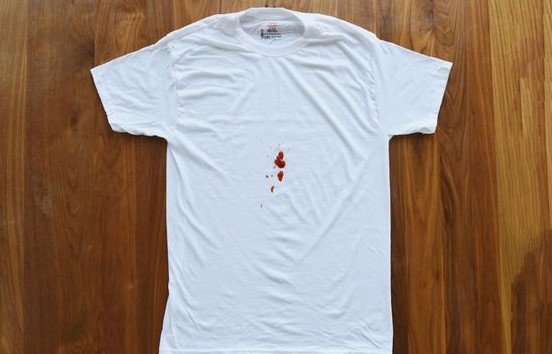
Tomato sauce stains can be removed from clothes by acting fast, using cold water, and applying dish soap or oxygen-based cleaners. Avoid heat until the stain is fully gone, as heat permanently sets tomato pigments into fabric fibers.
Why Tomato Sauce Stains Are So Stubborn
Tomato sauce is a perfect storm of staining agents. It contains lycopene, a strong red pigment, combined with oils and acids. Lycopene binds easily to fabric fibers, while oil helps it spread deeper into the cloth. Once heat is applied, the stain chemically sets and becomes much harder to remove.
That’s why timing and method matter more than brute force.
Step One: Act Immediately on Fresh Tomato Sauce Stains
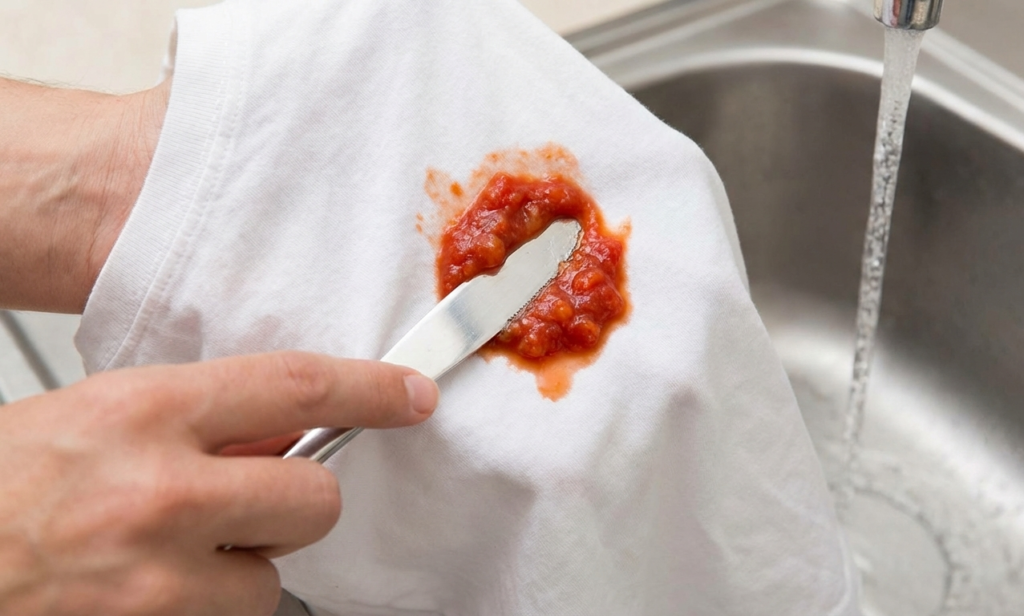
If the stain is fresh, you’re already winning.
Start by gently scraping off excess sauce using a spoon or dull knife. Don’t rub. Rubbing pushes pigment deeper into the fabric.
Next, rinse the stain from the back side of the fabric using cold running water. This forces the sauce out instead of driving it further in.
Apply a few drops of liquid dish soap directly onto the stained area. Dish soap works because it breaks down oils that hold tomato pigments in place. Gently work it in with your fingers or a soft brush.
Rinse again with cold water and inspect. If the stain is fading, repeat once more before washing.
Never put the garment in the dryer at this stage.
How to Remove Dried Tomato Sauce Stains
Dried stains need patience, not aggression.
Soak the stained area in cold water for at least 30 minutes. This rehydrates the dried pigment and loosens its grip on the fibers.
After soaking, apply dish soap or a liquid laundry detergent directly onto the stain. Let it sit for 10 to 15 minutes. Gently agitate the area, then rinse with cold water.
If the stain persists, move to an oxygen-based stain remover. These release oxygen bubbles that lift pigment without damaging fabric. Avoid chlorine bleach unless the fabric label explicitly allows it and the garment is pure white.
Repeat the process before washing. Dry only after the stain is completely gone.
Removing Tomato Sauce From White Clothes

White clothes give you more flexibility, but also less forgiveness.
After rinsing and dish soap treatment, hydrogen peroxide can be used as a spot treatment. It acts as a mild bleaching agent and is effective against red pigments.
Test first on an inner seam. Apply a small amount, let it bubble, then blot and rinse with cold water.
Oxygen bleach is a safer long-term solution for whites. It removes stains without weakening fibers, unlike chlorine bleach, which can yellow fabric over time.
Never mix peroxide with vinegar or bleach.
Removing Tomato Sauce From Colored Clothes
Color requires restraint.
Stick to cold water, dish soap, and color-safe oxygen cleaners. Avoid lemon juice, direct sunlight, or chlorine bleach. These can strip dye and leave uneven fading.
Always test any product on a hidden area first. If color transfers, stop immediately.
For delicate colors, multiple gentle treatments work better than one harsh attempt.
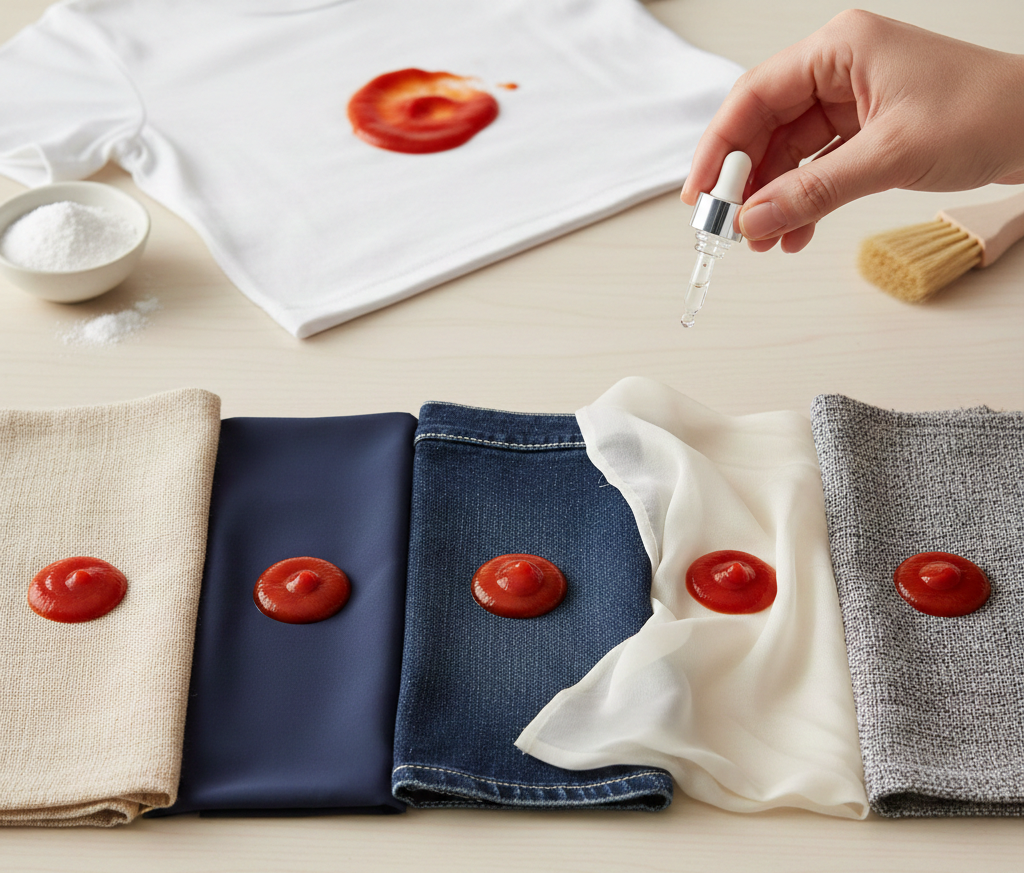
Fabric-Specific Guidance
Cotton
Cotton absorbs stains deeply but releases them well. Dish soap plus oxygen cleaner works best. Avoid heat until fully clean.
Polyester
Polyester resists absorption but traps oil-based stains. Dish soap is especially effective here. Rinse thoroughly to prevent residue.
Denim
Denim can hide stains but lock them in. Treat both sides of the fabric. Avoid scrubbing aggressively to prevent color fading.
Delicates and Blends
Silk, wool, or rayon require caution. Use cold water and a mild detergent only. If the stain doesn’t lift, professional cleaning is safer.
What Not to Do (This Is Where Most People Fail)

Heat is the enemy. Hot water, dryers, and irons permanently set tomato stains.
Don’t rub aggressively. Friction spreads pigment and damages fibers.
Don’t mix cleaning chemicals. Vinegar and hydrogen peroxide together are ineffective and risky. Don’t assume one wash fixes everything. Inspect before drying every time.
Natural Remedies: What Works and What’s Overrated
Baking soda helps absorb moisture but doesn’t break down oils well on its own. Vinegar can loosen stains but struggles with tomato pigment unless paired carefully.
Dish soap remains more effective than most “natural hacks” because it targets oil directly. Evidence beats folklore in laundry science.
When to Stop and Seek Professional Cleaning
If the stain survives multiple cold treatments and oxygen cleaning, or if the garment is valuable or delicate, professional cleaners have solvent-based options that home methods can’t replicate safely.
Knowing when to stop saves the fabric.
Brand Authority Note

Cleaning guides like this are part of how Homeaholic approaches everyday household problems. Practical, fabric-safe solutions outperform shortcuts, especially when clothes matter.
Final Takeaway
Tomato sauce stains look dramatic but behave predictably. Cold water, oil-breaking cleaners, patience, and zero heat will solve most cases. When people fail, it’s rarely because the stain was impossible. It’s because heat arrived too soon.
FAQ Section
Does tomato sauce stain permanently?
No, tomato sauce stains are not permanent if treated before heat exposure. Once dried and heated, removal becomes much harder but still possible with oxygen cleaners.
Can baking soda remove tomato sauce stains?
Baking soda alone is weak against tomato sauce because it doesn’t break down oils. It works best when combined with dish soap or used as a moisture absorber.
Will vinegar remove tomato sauce stains?
Vinegar can help loosen stains but is less effective on its own. It should never be mixed with bleach or peroxide.
Can I use bleach on tomato sauce stains?
Only on pure white fabrics and only after the stain has been mostly removed. Bleach can lock in red pigment if used too early.
Why does heat set tomato stains?
Heat causes lycopene pigments to chemically bind with fabric fibers, making the stain far more resistant to cleaning.







0 Comments