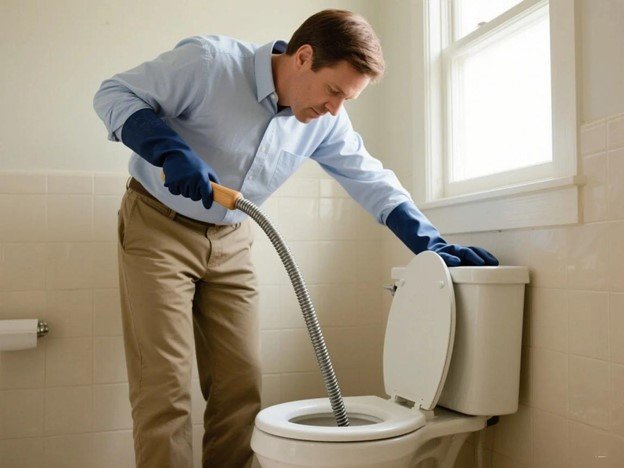
To unclog a toilet with a snake, insert the auger cable into the drain, rotate the handle to break or hook the clog, and slowly pull it back out. Correct insertion depth, controlled rotation, and understanding resistance are key to clearing deep blockages safely.
A toilet snake, also called a toilet auger, is the most effective tool for removing clogs that a plunger cannot fix. Unlike plungers that rely on pressure, a snake physically reaches into the drain to break apart or retrieve the obstruction. This makes it essential for dealing with deep or stubborn clogs.
Key characteristics of toilet snakes:
- Designed for deep or solid clogs
- Uses mechanical rotation instead of pressure
- Reaches beyond the toilet trap
- Can break or extract blockages
- Requires controlled handling for safe use
What Is a Toilet Snake (Auger) and How Does It Work?
A toilet snake is a flexible cable tool designed to navigate through the curved trap of a toilet and reach deeper into the drain pipe. It includes a coiled metal cable with a hooked or corkscrew tip that can either break apart or grab onto the clog.
Unlike a plunger, which uses pressure, the snake works mechanically by drilling into or hooking the obstruction. As you rotate the handle, the cable moves forward, allowing the tip to interact directly with the clog. This makes it far more effective for dense or lodged blockages.
Key Components
- Flexible metal cable
- Rotating handle
- Hooked or spiral tip
- Protective sleeve to prevent scratching
How It Works
- Cable enters the drain
- Rotation advances the tip
- Tip interacts with blockage
- Clog is broken or retrieved
Key Insight
- Snake = mechanical removal tool
- Works where pressure tools fail
- Requires precision, not force
When Should You Use a Snake Instead of a Plunger?
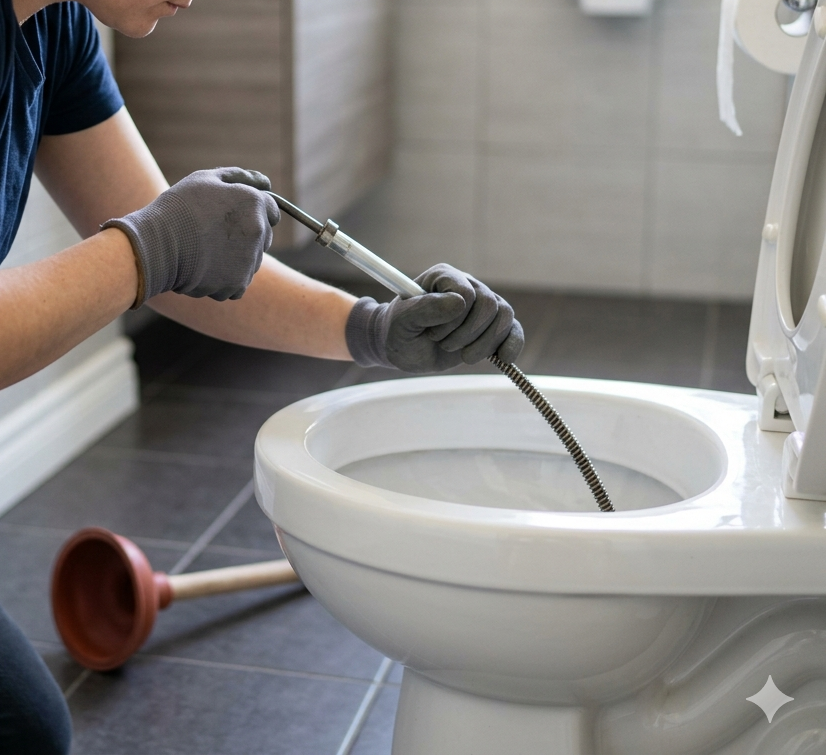
A plunger is ideal for soft, shallow clogs, but it becomes ineffective when the blockage is deeper or more compact. In these situations, a toilet snake is the correct tool because it can reach and physically interact with the obstruction.
Knowing when to switch tools is critical for efficiency. Continuing to plunge a deep clog wastes time and may compact the blockage further, making it harder to remove.
Use a Snake When
- Plunger fails after multiple attempts
- Water drains slowly but not completely
- Clog is deep in the pipe
- Hard object is suspected
Do Not Rely on Plunger When
- No pressure response
- Repeated clogging occurs
- Blockage does not shift
Key Insight
- Plunger = pressure-based
- Snake = contact-based
- Correct tool saves time and effort
How Does a Toilet Snake Remove Clogs?
A toilet snake removes clogs by either breaking them apart or hooking them for extraction. The rotating cable tip applies mechanical force directly to the blockage, which allows it to penetrate materials that cannot be moved by pressure alone.
The key is understanding how the cable behaves during rotation. Resistance indicates contact with the clog, and controlled movement determines whether the blockage is loosened or retrieved.
Removal Methods
- Break-up method
- Rotating tip fragments clog
- Clears path gradually
- Hook method
- Tip grabs object
- Pulls it back out
Cable Behavior
- Smooth movement → no obstruction
- Resistance → clog detected
- Sudden release → blockage cleared
Key Insight
- Rotation = control mechanism
- Resistance = feedback signal
- Technique determines success
Push vs Pull Technique When Using a Toilet Snake
A toilet snake is not just about inserting and rotating; it requires precise control over when to push deeper and when to pull back. Most users fail because they push continuously, which can compact the clog or push it further into the pipe. Understanding the push-pull sequence ensures that the clog is either broken down or removed instead of relocated.
The correct method involves advancing the cable carefully, engaging the clog through rotation, and then pulling back strategically. This sequence creates a controlled interaction with the blockage, allowing you to either extract it or fragment it effectively without worsening the situation.
Push vs Pull Strategy
- Push phase
- Used to reach clog location
- Apply gentle forward pressure
- Stop when resistance increases
- Rotate phase
- Engage clog with tip
- Maintain steady rotation
- Avoid sudden force
- Pull phase
- Extract or loosen blockage
- Withdraw slowly
- Check for debris removal
Common Errors
- Continuous pushing without rotation
- Pulling too quickly
- Ignoring resistance signals
Key Insight
- Push to locate
- Rotate to engage
- Pull to remove
- Sequence determines success
How to Unclog a Toilet with a Snake (Step-by-Step)
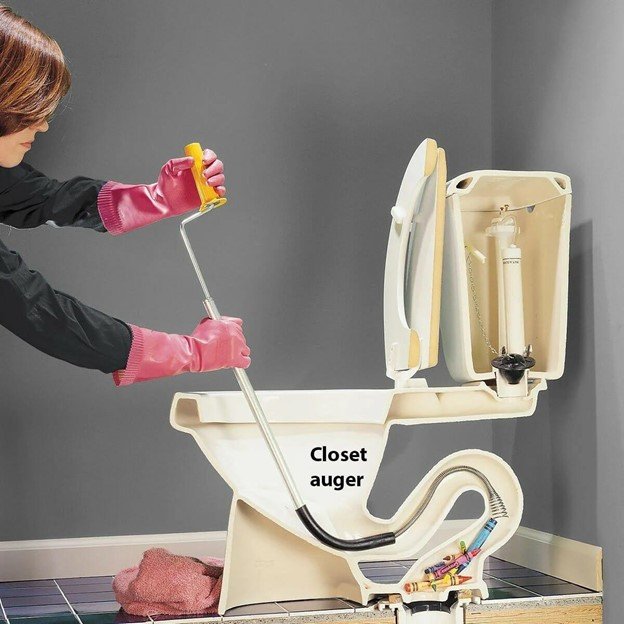
Using a toilet snake correctly requires controlled insertion and rotation. Rushing or forcing the cable can reduce effectiveness or damage the toilet.
Start by inserting the cable slowly into the drain opening while keeping it aligned with the toilet’s trap. Once resistance is felt, begin rotating the handle to engage the clog.
Step-by-Step Process
- Insert snake into toilet drain
- Feed cable slowly into pipe
- Rotate handle when resistance is felt
- Continue pushing gently
- Break or hook the clog
- Pull cable back slowly
- Test flush
Technique Tips
- Do not force cable
- Maintain steady rotation
- Pull back carefully
Key Insight
- Controlled movement = effective unclogging
- Force without control can worsen blockage
Toilet Snake Decision System (Resistance-Based Guide)
Using a toilet snake effectively depends on interpreting feedback from the cable rather than forcing it blindly. The most important signal you receive is resistance, which tells you whether the cable has reached the clog, missed it, or is pushing against the pipe. Without understanding this feedback, users often apply incorrect force and either fail to clear the blockage or make it worse.
This decision system allows you to respond correctly based on what the snake is telling you. Instead of guessing, you follow a logical sequence that adjusts technique in real time. This improves success rate, reduces effort, and prevents damage to the toilet or plumbing system.
Resistance-Based Decision Flow
- Light resistance
- Likely soft clog
- Continue slow rotation
- Allow cable to break through
- Hard stop
- Possible solid obstruction
- Stop pushing immediately
- Rotate gently to engage or hook
- Cable spins freely
- Missed clog
- Pull back slightly
- Reinsert at different angle
- Cable gets stuck
- Do not force
- Rotate in reverse slowly
- Pull back carefully
Key Insight
- Resistance = real-time diagnostic tool
- Correct response prevents failure
- Control matters more than force
How Far Should You Insert the Snake?
Insertion depth is important for reaching the clog without damaging the plumbing. Most toilet augers are designed to reach through the trap and into the initial section of the drain pipe.
Pushing too little may not reach the clog, while pushing too far can reduce control or risk pushing the blockage deeper.
Insertion Guidelines
- Insert until resistance is felt
- Do not force past obstruction
- Use rotation to advance
Signs You’ve Reached the Clog
- Increased resistance
- Slower cable movement
- Feedback during rotation
Key Insight
- Depth is determined by resistance
- Control matters more than reach
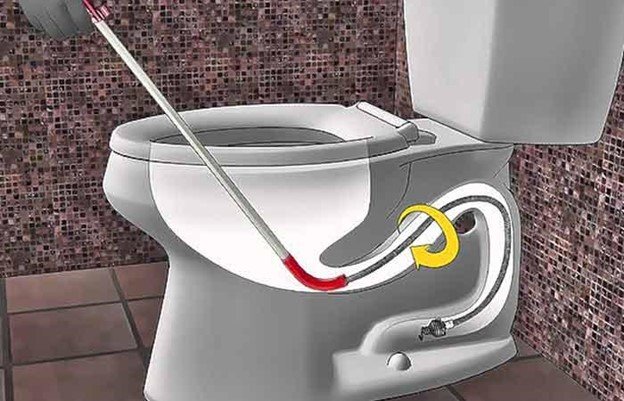
Why Your Toilet Snake Is Not Working
If a toilet snake fails, the issue is usually related to technique or clog type. Understanding why it is not working helps adjust the approach.
Common problems include incorrect angle, lack of rotation, or encountering a blockage that requires different handling.
Common Issues
- Not rotating cable properly
- Missing clog location
- Using too much force
- Blockage too deep
How to Fix
- Reposition snake
- Adjust rotation speed
- Apply consistent pressure
Key Insight
- Snake failure = technique issue in most cases
What Resistance Means When Using a Toilet Snake
Resistance is the most important feedback signal when using a toilet snake, and understanding it allows you to identify the type of clog and adjust your approach. Many users ignore these signals and continue applying force, which often leads to ineffective results or pushing the blockage deeper.
Different types of resistance indicate different conditions inside the pipe. Recognizing these patterns transforms the process from guesswork into a controlled mechanical operation, improving both efficiency and safety.
Resistance Interpretation
- Smooth movement
- No obstruction present
- Continue advancing cable
- Soft resistance
- Paper or waste clog
- Use rotation to break apart
- Firm resistance
- Dense or compact clog
- Apply steady rotation
- Avoid pushing forcefully
- Sharp stop
- Possible foreign object
- Switch to hook method
What to Do Based on Feedback
- Adjust speed of rotation
- Change insertion angle
- Switch between break and retrieve method
Key Insight
- Resistance reveals clog type
- Interpretation improves accuracy
- Proper response prevents deeper blockage
How to Handle Different Types of Clogs with a Snake
Different clogs respond differently to mechanical removal. Adjusting technique based on clog type improves effectiveness.
Soft clogs break easily, while solid objects require hooking and removal.
Clog Types
- Soft clog
- Break apart easily
- Requires light rotation
- Solid clog
- Needs hooking
- Pull out carefully
- Deep clog
- Requires patience
- Multiple attempts needed
Key Insight
- Match method to clog type
- Avoid pushing blockage deeper
What Mistakes Should You Avoid When Using a Snake?
Mistakes reduce efficiency and can damage the toilet. Avoiding these errors ensures safe and effective use.
Many users apply excessive force instead of focusing on technique.
Common Mistakes
- Forcing cable aggressively
- Skipping rotation
- Inserting too quickly
- Ignoring resistance
Correct Approach
- Use controlled motion
- Pay attention to feedback
- Maintain steady rotation
Key Insight
- Precision > force
Can a Toilet Snake Damage Your Toilet?
Toilet snakes are safe when used properly, but incorrect handling can cause damage, especially to porcelain surfaces.
Using excessive force or incorrect angles may scratch the bowl or damage internal components.
Risks
- Scratching porcelain
- Damaging trap
- Pushing clog deeper
Safety Tips
- Use protective sleeve
- Avoid excessive force
- Keep cable aligned
Key Insight
- Proper handling eliminates most risks
What to Do After Removing the Clog
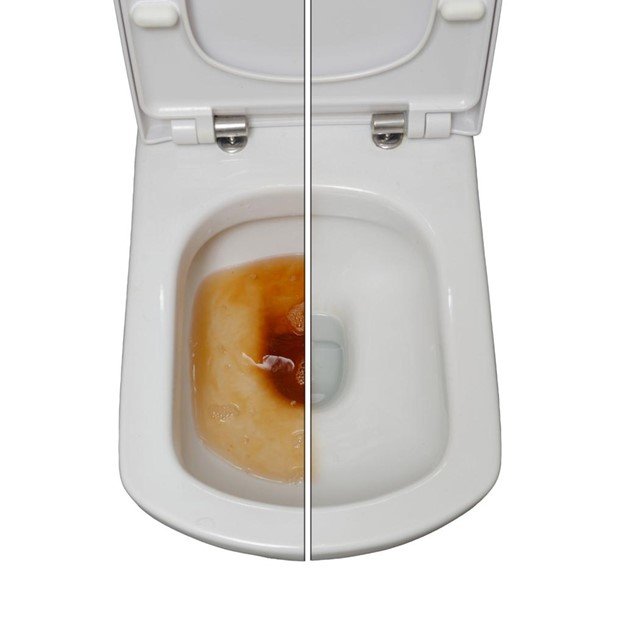
After removing the clog, ensure the toilet is functioning normally and clean the tool properly.
Flushing multiple times confirms that the blockage is fully cleared.
Post-Unclog Steps
- Flush toilet multiple times
- Clean snake thoroughly
- Check for recurring issues
Prevention
- Avoid flushing solid objects
- Use proper amount of paper
- Monitor drainage
Key Insight
- Proper follow-up prevents repeat issues
Real-World Case Study: Snake vs Plunger Failure Recovery
A user experienced a persistent toilet clog and initially attempted to resolve it using a standard plunger. Despite multiple plunging cycles with increased force, there was no noticeable improvement. The water level fluctuated slightly, but the blockage remained intact because the clog was located deeper within the pipe, beyond the reach of pressure-based tools. This is a common scenario where users misjudge the type and location of the clog, leading to ineffective efforts.
The turning point came when the user switched to a toilet snake (auger), recognizing that the issue required direct mechanical interaction rather than pressure. By inserting the cable slowly and using controlled rotation, the snake was able to reach the obstruction and either break it apart or hook onto it. Within a few careful movements, the blockage was cleared and normal water flow was restored. This shift demonstrated that tool selection, combined with proper technique, is critical for solving deeper plumbing issues.
Breakdown of the Scenario
- Initial attempt → plunger with repeated force
- Core problem → clog positioned deep in drain
- Limitation → plunger unable to transfer pressure effectively
- Adjustment → switched to toilet snake
- Technique → controlled insertion + steady rotation
- Outcome → clog removed, flow restored
What Changed in the Successful Attempt
- Tool changed from pressure-based to mechanical
- Cable reached exact clog location
- Rotation applied targeted force
- Removal replaced guesswork
Key Takeaway
- Plunger works only for surface or soft clogs
- Snake is required for deep or solid blockages
- Correct tool + correct method = immediate results
Expert Insight
Toilet snakes are considered the most reliable solution for deep or stubborn clogs because they physically interact with the obstruction rather than relying on pressure transfer. While plungers are effective for breaking up soft blockages near the surface, they lose effectiveness when the clog is located further down the pipe or is too dense to be moved by pressure alone. Understanding this distinction is essential for choosing the right approach.
From a technical perspective, the auger provides controlled penetration into the blockage, allowing users to either fragment or retrieve the clog with precision. This eliminates the uncertainty associated with plunging and reduces the risk of compacting the blockage further. Experts emphasize that the success of unclogging depends more on correct tool selection and technique than on the amount of force applied.
Expert Recommendations
- Start with a plunger for simple clogs
- Switch to a snake if no progress is made
- Use slow, controlled rotation instead of force
- Pay attention to resistance as feedback
- Avoid pushing clog deeper into the pipe
Strategic Insight from Homeaholic
- Pressure tools = quick fixes for shallow clogs
- Mechanical tools = reliable solution for deep clogs
- Decision-making is more important than effort
Homeaholic recommends treating unclogging as a two-step system: begin with pressure-based methods for quick results, and transition to mechanical tools when depth or resistance indicates a more complex blockage. This approach minimizes effort, reduces risk, and ensures consistent success across different clog types.
What to Do If a Toilet Snake Does Not Work (Escalation System)
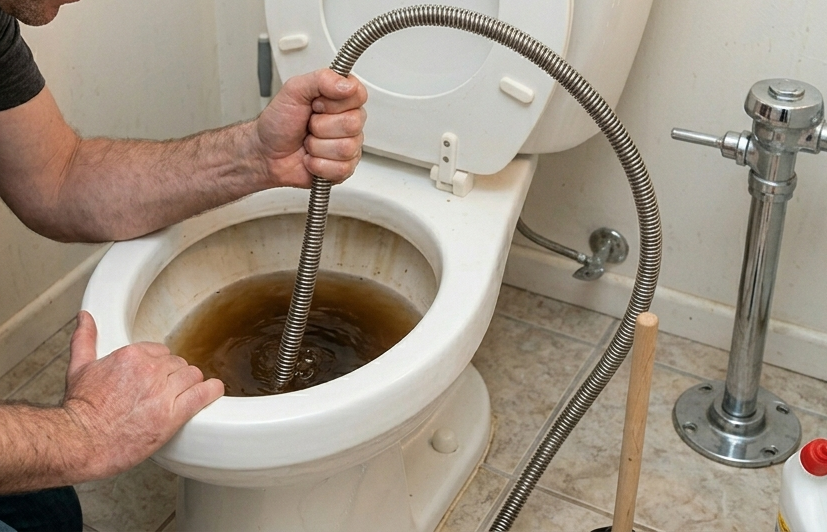
Although a toilet snake is highly effective, there are situations where it may not fully resolve the clog. Instead of repeating the same process, it is important to follow a structured escalation system that introduces new approaches based on the severity of the blockage.
This system ensures that you move from simple fixes to more advanced solutions in a logical sequence. It prevents wasted effort and reduces the risk of damaging the plumbing system by overusing a single method.
Escalation Steps on How to unclog a toilet with a snake
- Step 1: Reattempt with adjusted angle
- Reinsert snake
- Target different position
- Step 2: Repeat insertion cycles
- Multiple controlled attempts
- Break or loosen clog gradually
- Step 3: Use extended auger or stronger tool
- Reach deeper blockages
- Apply more controlled force
- Step 4: Switch to alternative methods
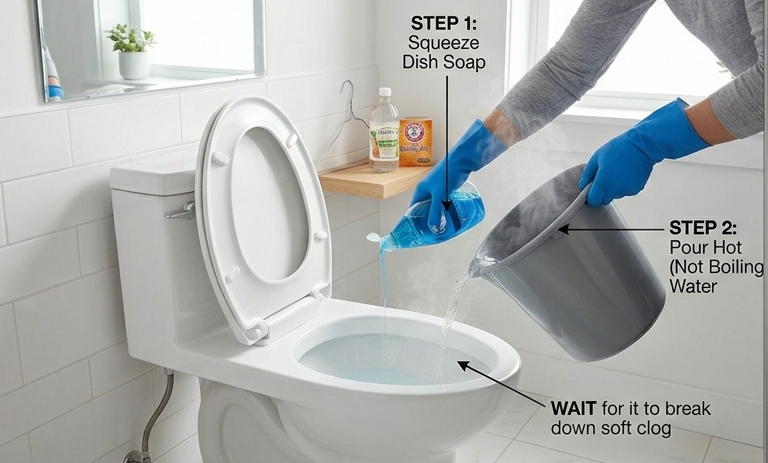
- Hot water + soap
- Professional-grade tools
- Step 5: Call a plumber
- For severe or recurring clogs
Warning Signs
- No change after repeated attempts
- Recurring blockage
- Strong resistance with no progress
Key Insight
- Escalation prevents frustration
- Not all clogs are DIY-fixable
- Knowing when to stop is part of expertise
FAQ Section
What is a toilet snake used for?
To remove deep or stubborn clogs.
Can a snake push clog deeper?
Yes, if used incorrectly.
Is a snake better than a plunger?
For deep clogs, yes.
How long does it take?
Usually 5–10 minutes.