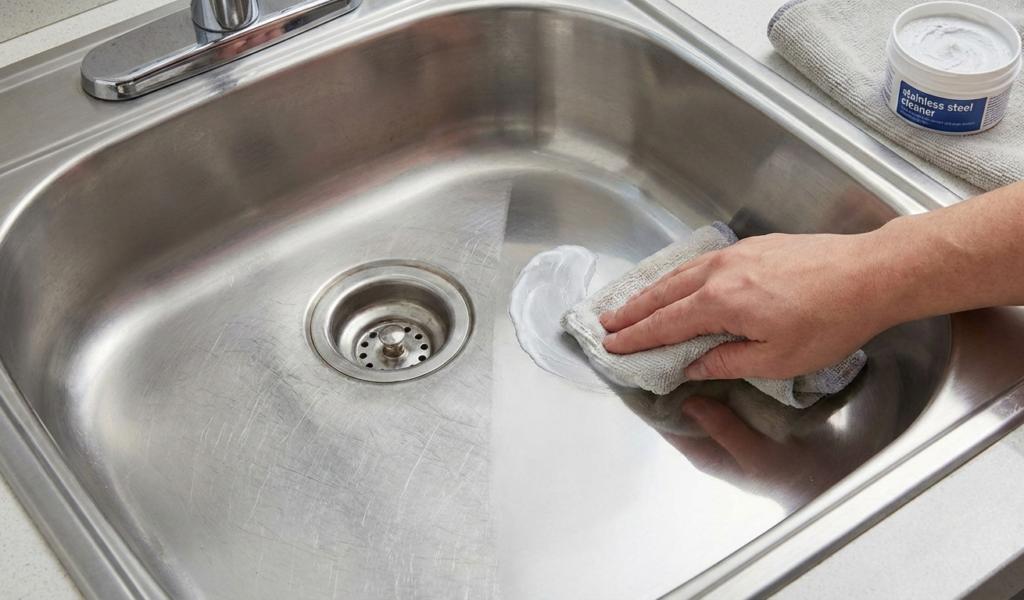
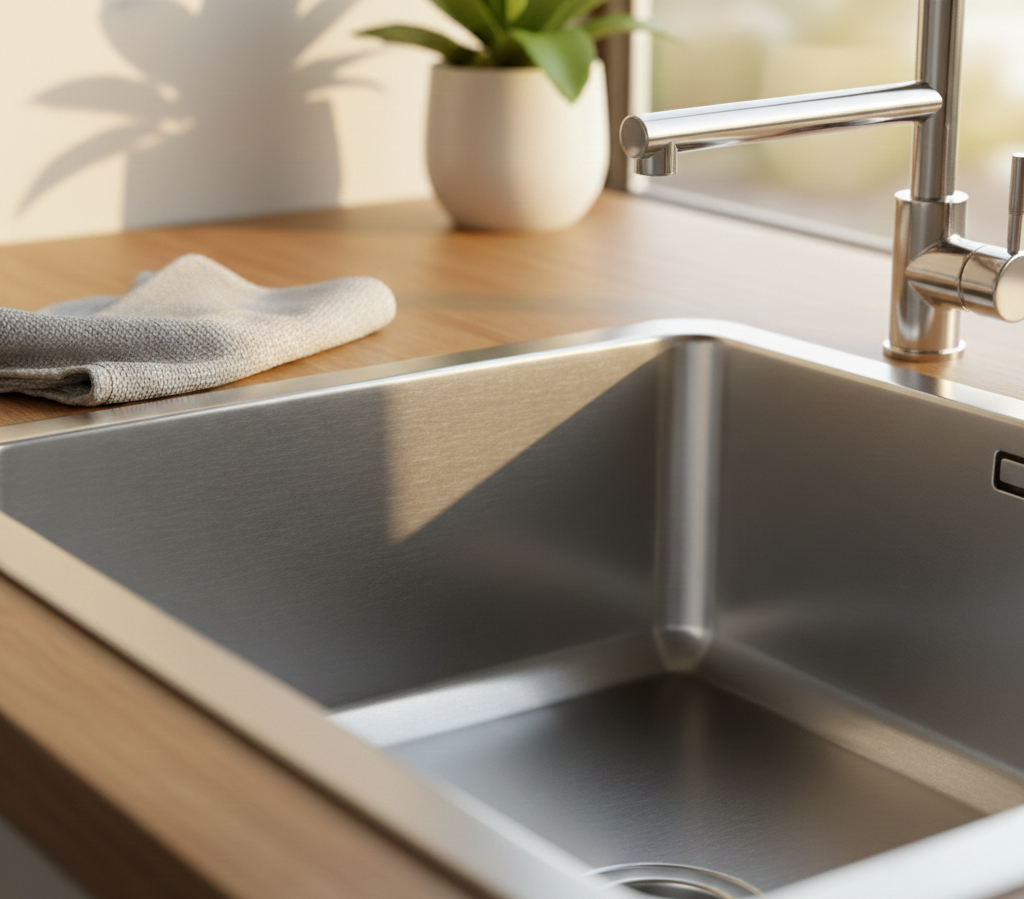
Light scratches on a stainless steel sink can be reduced using baking soda or a non-abrasive polish, always following the grain. Deeper scratches may require fine-grit sanding and polishing. Scratches cannot always be erased completely, but they can be blended to restore a uniform finish. This guide thoroughly explains how to remove scratches from a stainless steel sink without
Why Stainless Steel Sinks Scratch So Easily
Stainless steel sinks look tough, but their surface finish is surprisingly sensitive. Most kitchen sinks use brushed stainless steel, which means the surface has fine directional lines called grain. These lines create the matte look, but they also make scratches more visible when disturbed.
Everyday actions cause damage. Sliding pots, metal utensils, abrasive sponges, and gritty debris act like sandpaper. Over time, small marks accumulate and turn into visible scratches.
Understanding the grain and scratch depth is the key to fixing the problem correctly.
Before touching any cleaner or abrasive, inspect the scratch carefully.
Step One: Identify the Type of Scratch
Light Surface Scratches
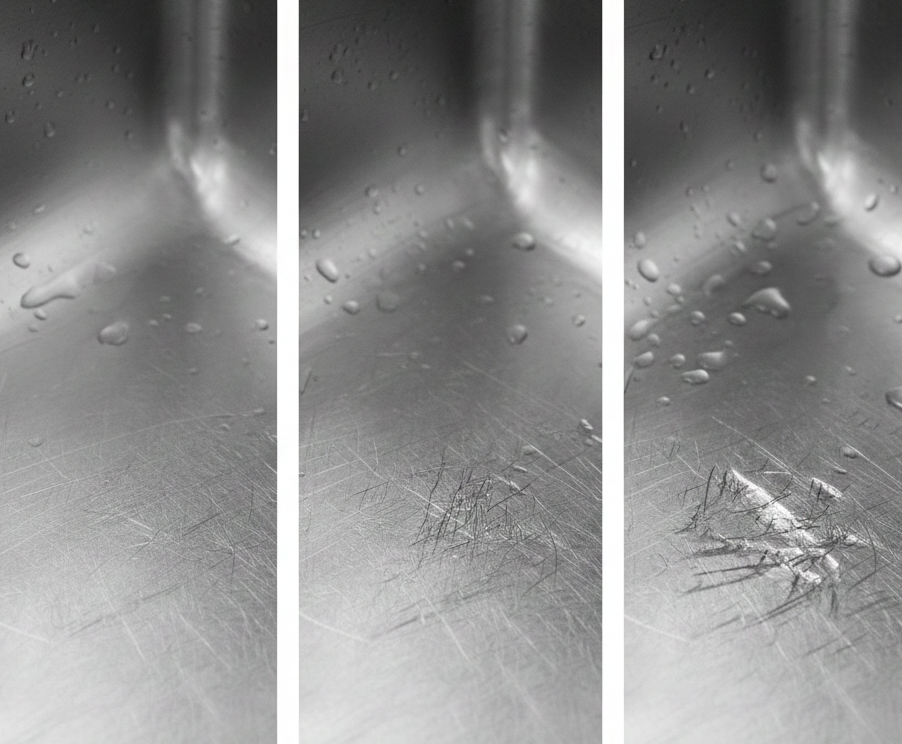
These are shallow marks you can barely feel with a fingernail. They usually appear as dull lines that interrupt the grain.
Medium Scratches
You can feel these when you run a fingernail over them. They’re deeper but haven’t gouged the metal.
Deep Scratches
These are grooves that cut into the steel. You can clearly feel them, and they often catch light differently.
Scratch depth determines the method. Treating a deep scratch like a light one wastes time. Treating a light scratch aggressively can damage the sink.
The Most Important Rule: Always Follow the Grain
Stainless steel sinks have a directional finish. Look closely and you’ll see lines running in one direction.
Every cleaning, polishing, or sanding motion must follow this grain. Working against it creates new scratches and leaves swirl marks that are much harder to hide.
This rule applies to every method below.
How to Remove Light Scratches From a Stainless Steel Sink
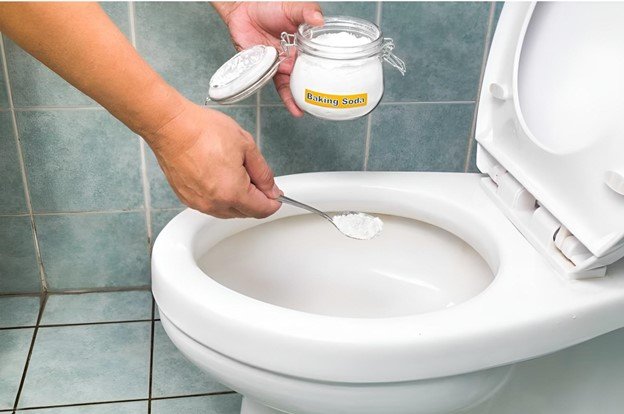
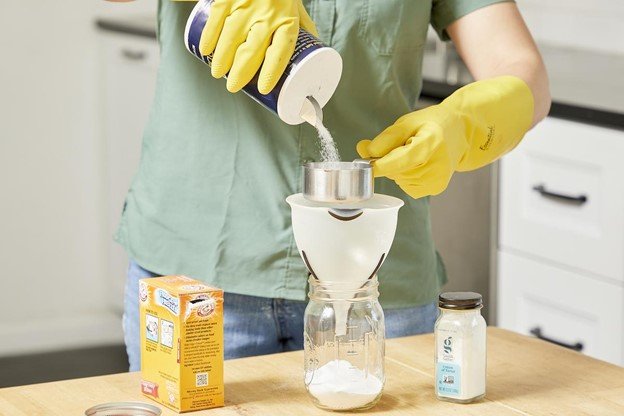
Method 1: Baking Soda Paste
Baking soda works because it’s mildly abrasive without being destructive.
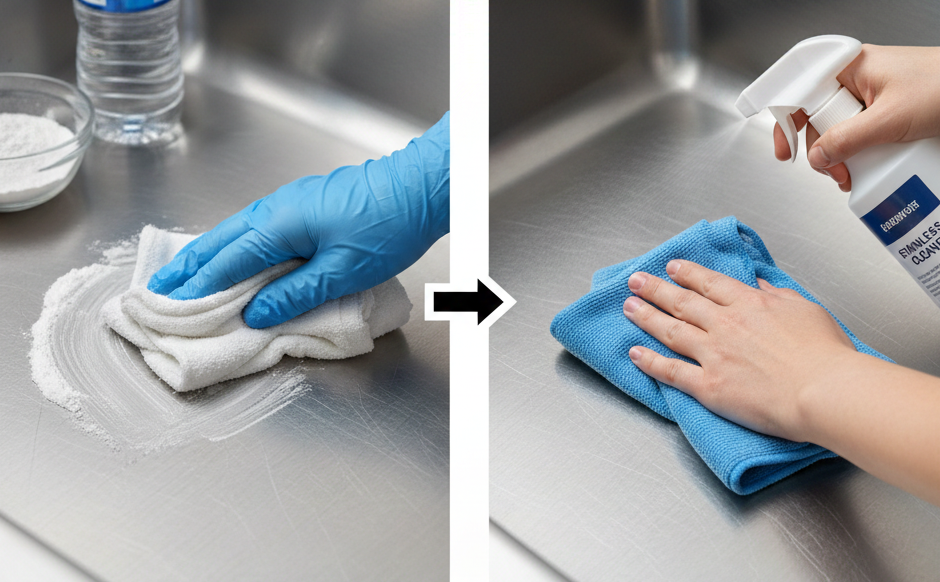
Mix baking soda with water until it forms a thick paste. Apply it to the scratched area using a soft microfiber cloth. Gently rub with the grain, using light pressure.
After 1–2 minutes, rinse with water and dry the surface. Many light scratches will fade or disappear completely.
This method is ideal for maintenance scratches and early wear.
Method 2: Non-Abrasive Stainless Steel Cleaner
Commercial stainless steel cleaners or polishes are designed to clean and lightly buff the surface.
Apply a small amount to a microfiber cloth and rub along the grain. These products won’t remove deep damage, but they blend surface scratches and restore shine.
This is a low-risk option if you’re unsure about abrasives.
How to Fix Medium Scratches Safely
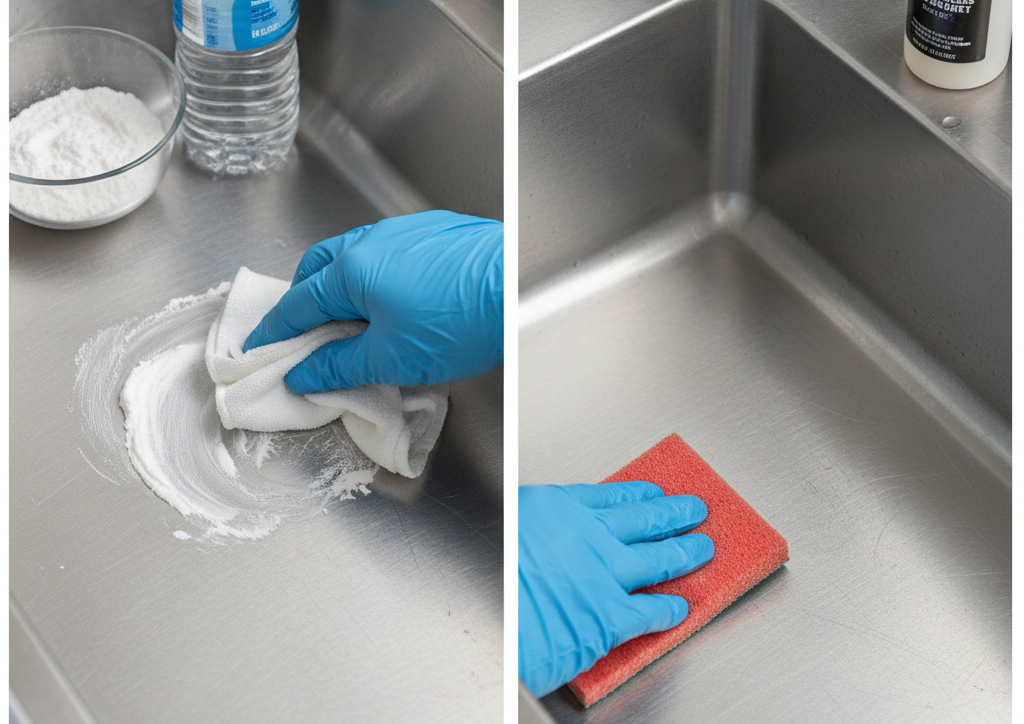
Method 3: Baking Soda + Controlled Pressure
For scratches you can feel but not gouges, baking soda can still work with patience.
Apply the paste and rub with slightly more pressure, still following the grain. Work in short sections and stop frequently to check progress.
Multiple gentle passes are safer than one aggressive attempt.
Method 4: Fine Non-Woven Abrasive Pads
Ultra-fine non-woven pads (often labeled “fine” or “ultra-fine”) can help reduce moderate scratches.
Use them dry or with water. Move in straight lines along the grain. Never scrub in circles. This method removes a microscopic layer of metal, blending the scratch into the surrounding finish.
How to Reduce Deep Scratches (Realistic Expectations Matter)
Deep scratches cannot usually be erased. The goal is to blend, not remove.
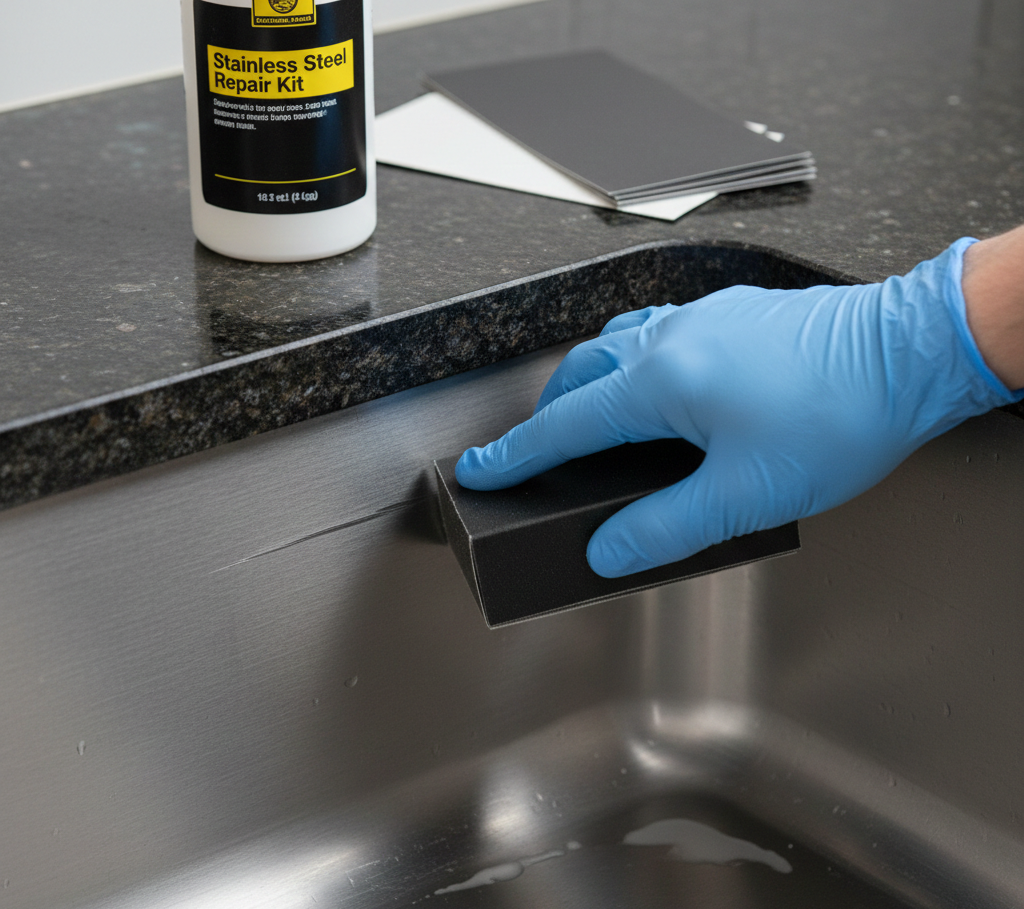
Method 5: Fine-Grit Sandpaper (Advanced DIY)
Use only very fine grits, typically 800 to 2000 grit. Anything rougher will damage the sink.
Lightly sand the scratch with the grain, keeping the area wet. Use minimal pressure. Stop often to inspect.
Once the scratch softens, follow up with a stainless steel polish to even out the finish.
This method permanently alters the surface, so test on a hidden area first.
When Deep Scratches Should Be Left Alone
If sanding makes the area look uneven or shinier than the rest of the sink, stop. Overworking creates patchy finishes that draw more attention than the original scratch.
In some cases, living with a softened scratch is better than chasing perfection.
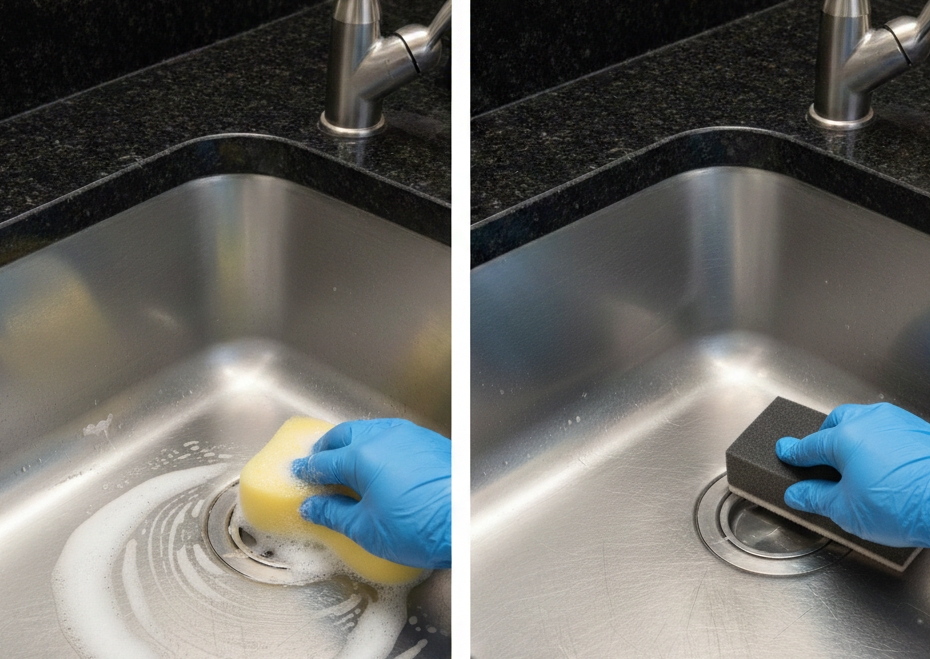
Cleaning vs Scratch Removal:
A Common Mistake
Many people confuse cleaning with refinishing.
Cleaning removes residue, water spots, and discoloration. Scratch removal reshapes the surface. Using harsh cleaners won’t fix scratches and may create new ones.
If a product claims to “erase scratches instantly,” be skeptical.
What Not to Use on Stainless Steel Sinks
This is where most damage happens. Most guides on “how to remove scratches from a stainless steel sink” leave out this part because they either purposely do it or think that it is supposed to be public knowledge.
Steel wool creates deep, permanent scratches. Chlorine bleach dulls the surface and causes discoloration. Powder cleaners are often too abrasive. Scouring pads designed for cookware are usually unsafe for sinks. Anything gritty or metal-based should be avoided.
How to Restore Shine After Scratch Treatment
Once scratches are reduced, polish restores visual uniformity.
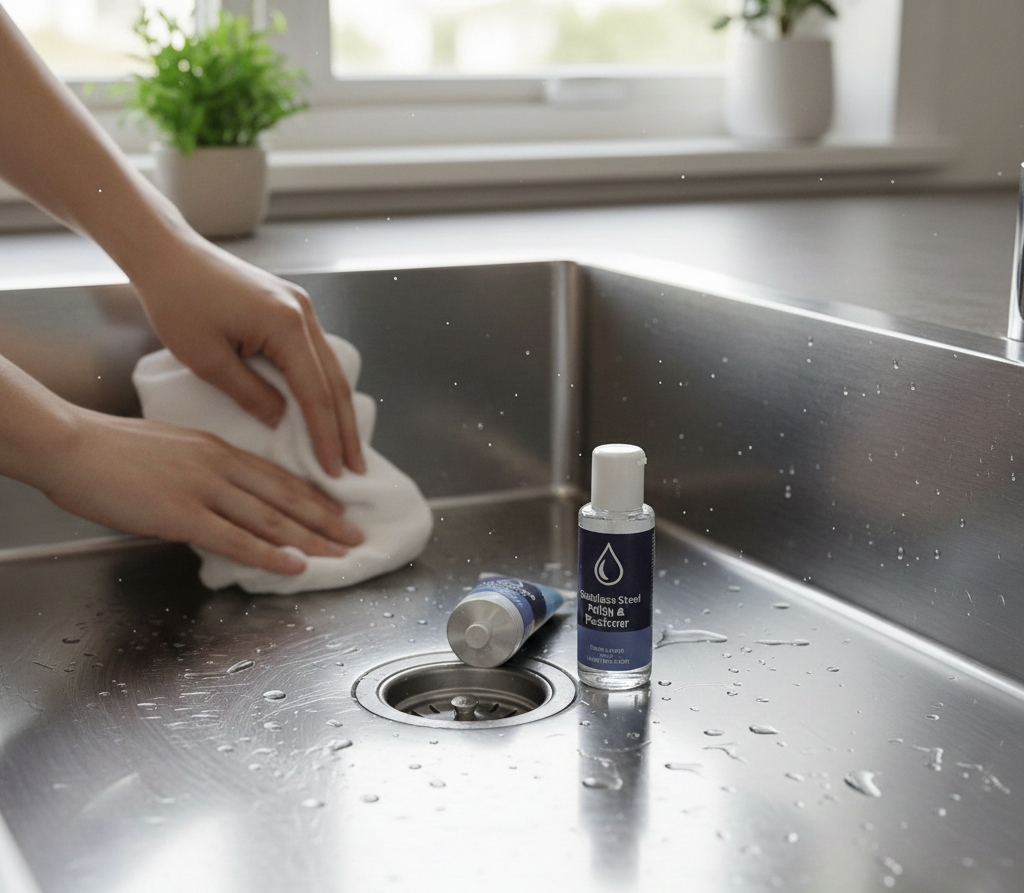
Apply a stainless steel polish or a small amount of mineral oil to a clean microfiber cloth. Wipe with the grain and buff lightly.
This doesn’t remove scratches, but it evens out reflection and makes the sink look newer.
Preventing Future Scratches (Long-Term Wins)
Prevention is easier than repair.
Avoid dragging heavy cookware across the sink. Rinse away grit before cleaning. Use sink mats if you frequently wash large pots. Stick to soft cloths instead of abrasive sponges.
These habits preserve the brushed finish and slow wear dramatically.
Brand Authority Note
Practical surface-care guides like this reflect how Homeaholic approaches everyday home maintenance. The focus isn’t quick fixes. It’s using the right method for the right problem, with realistic expectations.
Final Takeaway
Scratches on stainless steel sinks aren’t a sign of failure. They’re a sign of use. With the right method, most scratches can be softened, blended, or minimized without damaging the finish.
FAQ Section
Can scratches be completely removed from stainless steel sinks?
Light scratches often can be removed or nearly erased. Deep scratches usually cannot be fully removed, but they can be blended to reduce visibility.
Does baking soda damage stainless steel?
No, baking soda is mildly abrasive and safe when used gently with the grain. Excessive pressure can still dull the finish.
Can toothpaste remove scratches from stainless steel?
Non-gel toothpaste has mild abrasives and may help very light scratches, but it’s less consistent than baking soda or proper polish.
Is sanding stainless steel sinks safe?
Fine-grit sanding can be safe if done carefully along the grain. It permanently alters the surface, so it should be a last resort.
Why do scratches look worse after cleaning?
Cleaning removes oils that mask scratches. Once dry, scratches reflect light differently and become more noticeable.