
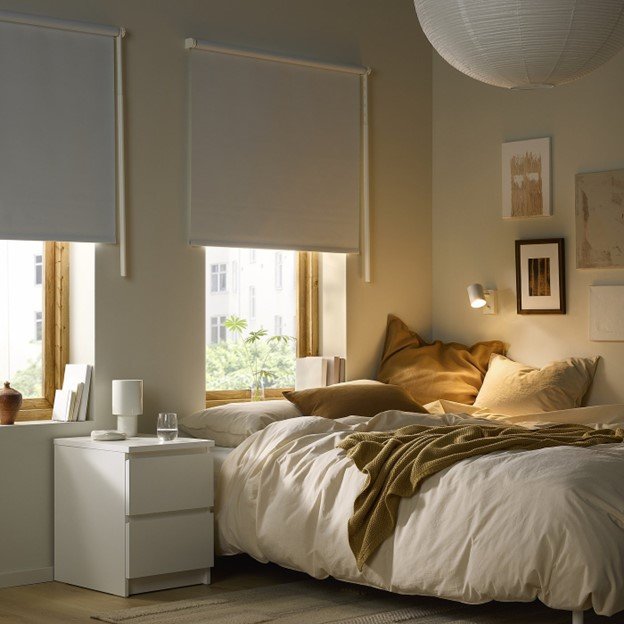
Bedroom blinds are not just decorative window coverings. They directly affect sleep quality, privacy, temperature control, and how calm or cluttered a bedroom feels. The best bedroom blind ideas balance light control, insulation, safety, and visual harmony instead of focusing on style alone.
Choosing the wrong blinds often leads to early regret. Choosing the right ones improves daily comfort for years.
How Do You Choose the Right Blinds for a Bedroom?
The right bedroom blinds are chosen by starting with function, not appearance. Bedrooms have different requirements than living rooms or kitchens. Sleep, privacy, and comfort come first.
Begin by asking four questions. How much light needs to be blocked? Is the bedroom street-facing or overlooked? Does temperature fluctuate significantly? Are children or pets using the room?
Once these needs are clear, style becomes easier. A blind that performs well but looks average will always outperform a stylish blind that disrupts sleep or privacy. Good bedroom blinds quietly do their job without drawing attention to themselves.
Which Types of Bedroom Blinds Are Available?
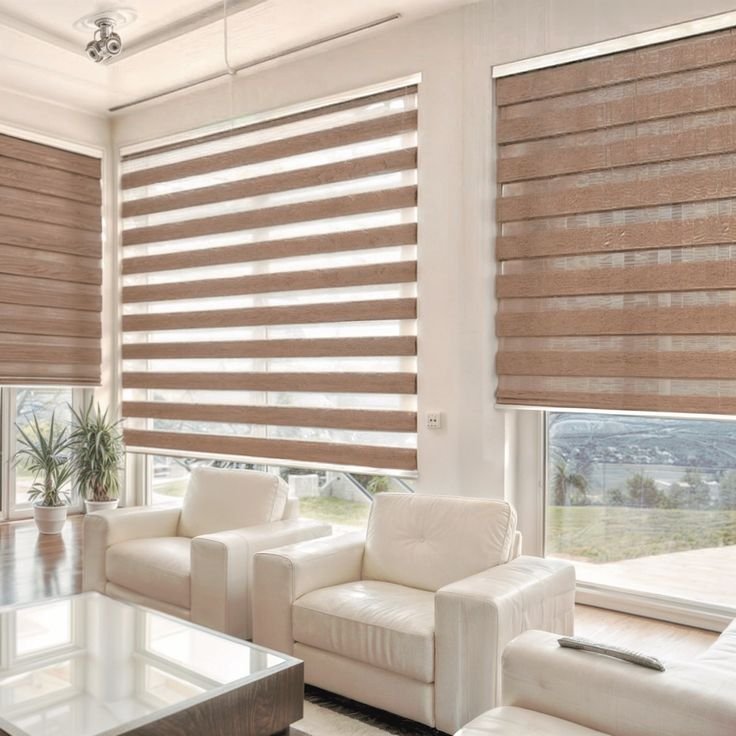
Bedroom blinds come in several functional categories, each with strengths and limitations.
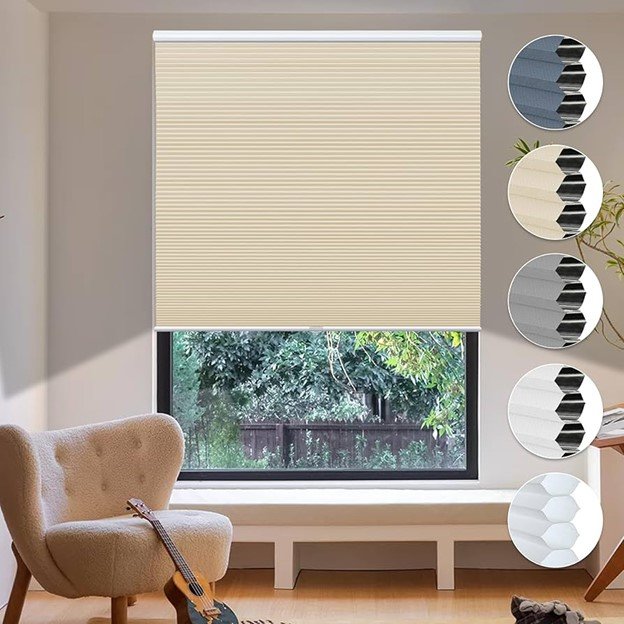
Roller blinds are simple, compact, and effective for light control. Roman blinds add softness and work well in classic or layered bedrooms. Venetian blinds offer adjustable light but are less effective for full darkness. Cellular or honeycomb blinds provide insulation benefits in addition to light filtering.
Zebra blinds combine sheer and solid bands for adjustable privacy but rarely achieve full blackout. Vertical blinds are less common in bedrooms and suit large glass areas rather than standard windows.
Understanding these differences prevents disappointment later.
What Are the Best Bedroom Blind Ideas for Sleep and Light Control?
For sleep quality, blackout performance matters more than brand or fabric type.
Blackout blinds are designed to block nearly all incoming light. They work best for light sleepers, shift workers, and bedrooms facing streetlights or early sunrise. Dim-out blinds reduce brightness but still allow some glow, which may be fine for afternoon naps but not deep sleep.
Light-filtering blinds soften daylight and protect privacy during the day but should not be relied on for night-time darkness.
For maximum effectiveness, blackout blinds should be paired with proper fitting. Outside mounts reduce light leakage better than inside mounts. Even the best blackout fabric fails if gaps are left at the edges.
Are Bedroom Blinds Better Than Curtains?
Blinds and curtains serve different roles, and neither is universally better.
Blinds offer cleaner lines, precise light control, and easier maintenance. Curtains provide softness, sound absorption, and stronger edge coverage. In many bedrooms, the best solution is layering.
Using blackout blinds for function and light control, combined with curtains for softness and insulation, creates the most adaptable setup. This approach handles both daytime aesthetics and night-time performance without compromise.
If space is limited or a minimalist look is desired, blinds alone can work well when chosen carefully.
Which Bedroom Blinds Offer the Most Privacy?
Privacy depends on both material and positioning.
For night-time privacy, opaque blinds or blackout blinds are essential. Light-filtering blinds may look private during the day but become transparent at night when interior lights are on.
Street-facing and ground-floor bedrooms benefit from blinds that sit close to the window frame with minimal gaps. Top-down bottom-up blinds are useful where daylight is needed without exposing the entire room.
Bedrooms in apartments or dense neighborhoods should avoid sheer-only solutions unless combined with secondary coverings.
Do Bedroom Blinds Help With Insulation and Noise Reduction?
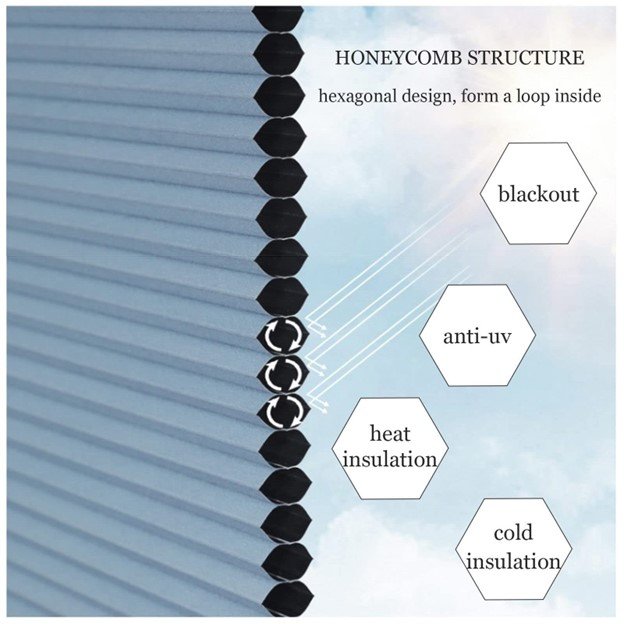
Some blinds contribute significantly to thermal comfort.
Cellular blinds trap air within their honeycomb structure, creating a thermal barrier. This can reduce heat loss in winter and limit heat gain in summer. In climates with temperature swings, these blinds improve comfort and reduce reliance on heating or cooling.
Fabric thickness also matters. Heavier fabrics provide mild sound dampening, although blinds alone will not fully soundproof a room. Layering blinds with curtains improves both insulation and noise control.
In practical use, insulated cellular blinds can reduce heat transfer through bedroom windows by up to 20–30%, depending on window size and climate. This makes a noticeable difference in bedrooms exposed to direct sunlight in summer or cold drafts in winter, especially when combined with proper window sealing.
What Are the Safest Bedroom Blinds for Children and Pets?
Safety should never be an afterthought in bedrooms used by children.
Cordless blinds are the safest option. They remove strangulation risks associated with looped cords. Motorized blinds also improve safety by eliminating manual operation entirely.
Look for blinds that comply with modern child-safety standards and use tension-based or wand-controlled systems. Bedrooms used by pets benefit from durable materials that resist bending, scratching, or chewing.
Safe blinds protect occupants without sacrificing design.
Are Motorized and Smart Blinds Worth It for Bedrooms?
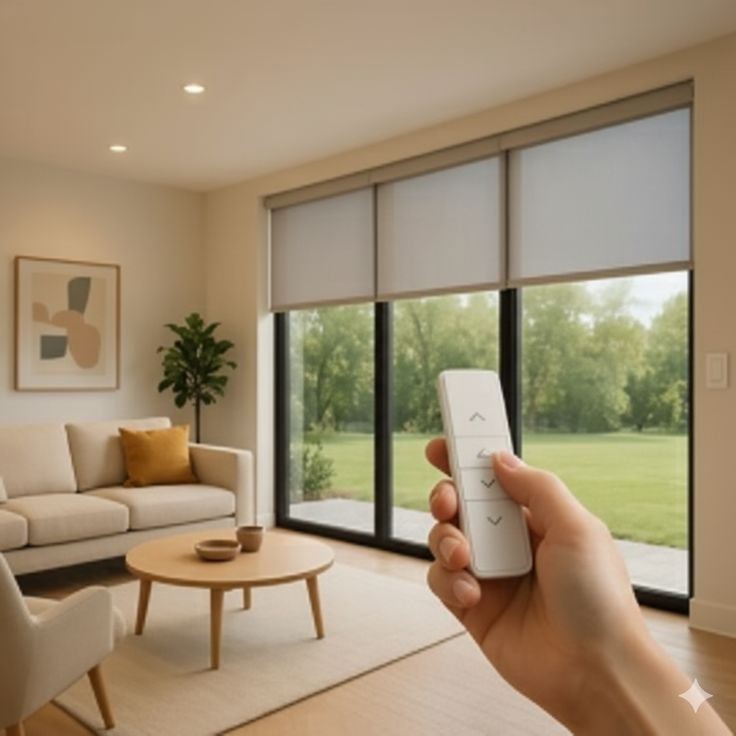
Motorized blinds offer convenience, not necessity.
They are most useful in bedrooms with tall windows, hard-to-reach placements, or for users who value automation. Timed opening and closing can support consistent sleep routines, especially when paired with blackout blinds.
Smart features should be chosen selectively. Reliable motors and quiet operation matter more than complex app controls. In many cases, motorization is about comfort rather than performance improvement.
How Much Do Bedroom Blinds Cost and How Long Do They Last?
Bedroom blind costs vary based on material, size, and mechanism.
Basic roller blinds sit at the lower end. Cellular and Roman blinds cost more due to construction complexity. Motorized systems add a premium.
Lifespan depends on quality and use. Well-made blinds typically last 8 to 15 years. Cellular blinds and quality roller systems often last longer due to fewer moving parts. Cheap blinds may need replacement within a few years, making them a false economy.
Investing in durability usually reduces long-term costs.
What Bedroom Blind Styles Work Best for Different Interiors?
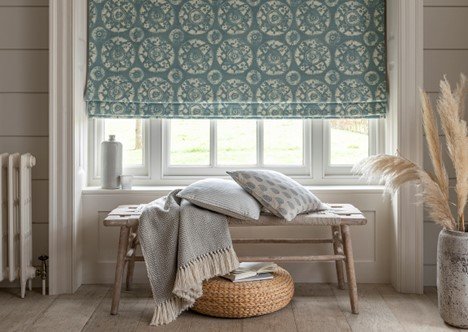
Style should support the room’s atmosphere, not dominate it.
Modern bedrooms benefit from clean roller or cellular blinds in neutral tones. Classic interiors pair well with Roman blinds and textured fabrics. Small bedrooms feel larger with blinds that sit close to the window and avoid bulky folds.
Color choice matters. Light colors reflect daylight and keep rooms airy. Dark colors enhance blackout performance but should be balanced with lighting and wall tones.
The best bedroom blind style is the one that disappears when not in use.
What Are the Most Common Bedroom Blind Mistakes to Avoid?
Many bedroom blind problems stem from poor planning.
Choosing blinds based only on daytime appearance often leads to night-time privacy issues. Ignoring light leakage creates frustration for light sleepers. Underestimating maintenance results in dusty or warped blinds over time.
Another common mistake is mismatching blind type to window size. Heavy Roman blinds on wide windows can sag. Narrow windows fitted with bulky blinds look cramped.
Avoiding these mistakes requires thinking beyond aesthetics.
Bedroom Blind Types Compared by Performance
| Blind Type | Light Control | Privacy | Insulation | Best Use Case |
| Blackout Roller Blinds | Excellent | Excellent | Moderate | Light-sensitive sleepers |
| Cellular Blinds | Good to excellent | Good | High | Temperature control |
| Roman Blinds | Moderate | Good | Moderate | Layered, classic bedrooms |
| Venetian Blinds | Adjustable | Moderate | Low | Daytime control |
| Zebra Blinds | Adjustable | Low at night | Low | Style-focused rooms |
This comparison helps narrow choices quickly without guesswork.
A Practical Bedroom Blind Ideas’ Selection Checklist
Before buying, confirm the following.
- Light control matches sleep needs
- Night-time privacy is guaranteed
- Blind fit minimizes gaps
- Safety is appropriate for children or pets
- Maintenance requirements are realistic
- Style complements room size and decor
If all boxes are checked, the blinds will perform well long-term.
Why Homeaholic Designs Bedroom Blind Ideas’ Solutions That Last
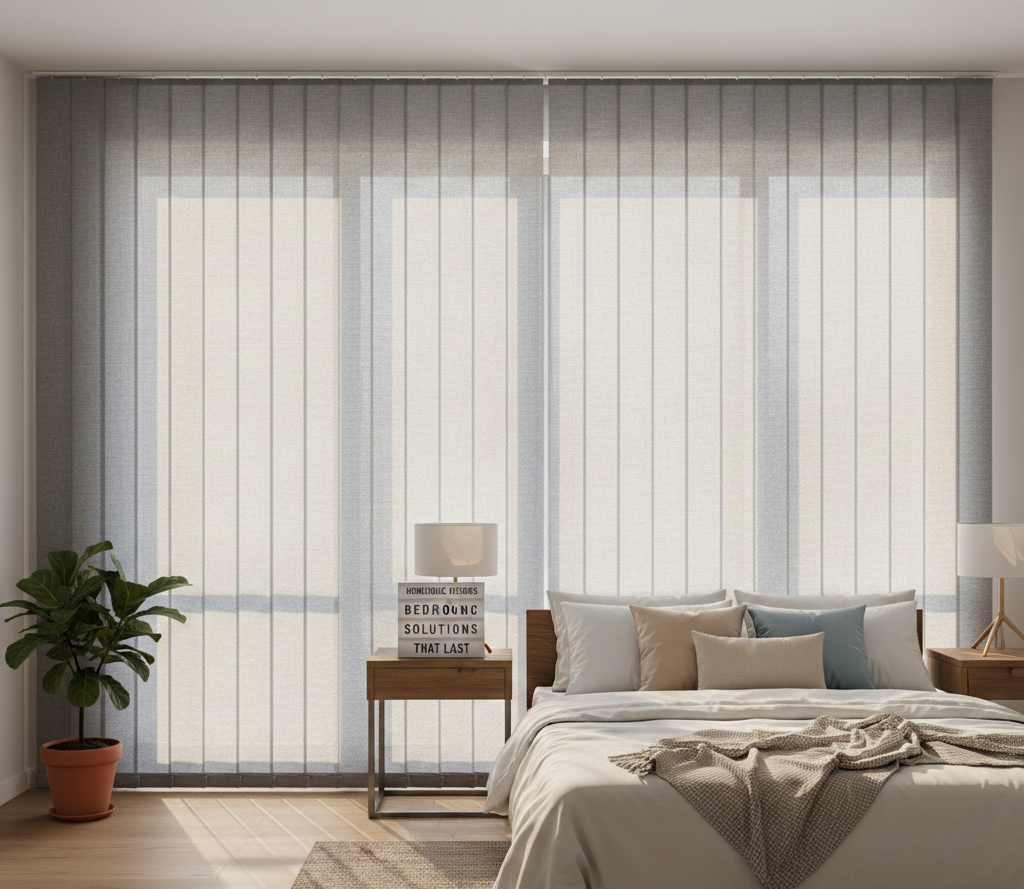
At Homeaholic, bedroom blind selection is approached as part of a sleep-focused design system. Light control, privacy, insulation, and ease of use are prioritized before style decisions are finalized.
This approach ensures bedroom blinds support rest, comfort, and visual calm rather than becoming another source of daily friction. When blinds are chosen correctly, they fade into the background and let the bedroom do what it’s meant to do. Help you rest.
In street-facing apartments, one of the most common regrets is choosing light-filtering blinds that feel private during the day but become transparent at night. Switching to blackout or opaque blinds consistently solves this issue without changing the room’s overall design, which is why night-time testing matters as much as showroom appearance.
Frequently Asked Questions About Bedroom Blind Ideas
Are blackout blinds good for bedrooms?
Yes. They are ideal for light-sensitive sleepers and rooms exposed to street lighting or early sunrise.
Do blinds block heat and cold?
Some do. Cellular blinds provide measurable insulation benefits.
Are blinds better than curtains for bedrooms?
Neither is always better. Layering both often delivers the best results.
Are cordless blinds safer?
Yes. Cordless and motorized blinds reduce safety risks significantly.
How long do bedroom blinds last?
Quality blinds typically last 8 to 15 years with normal use.
Can blinds reduce noise?
They help slightly, but layered treatments work better for sound reduction.












0 Comments