
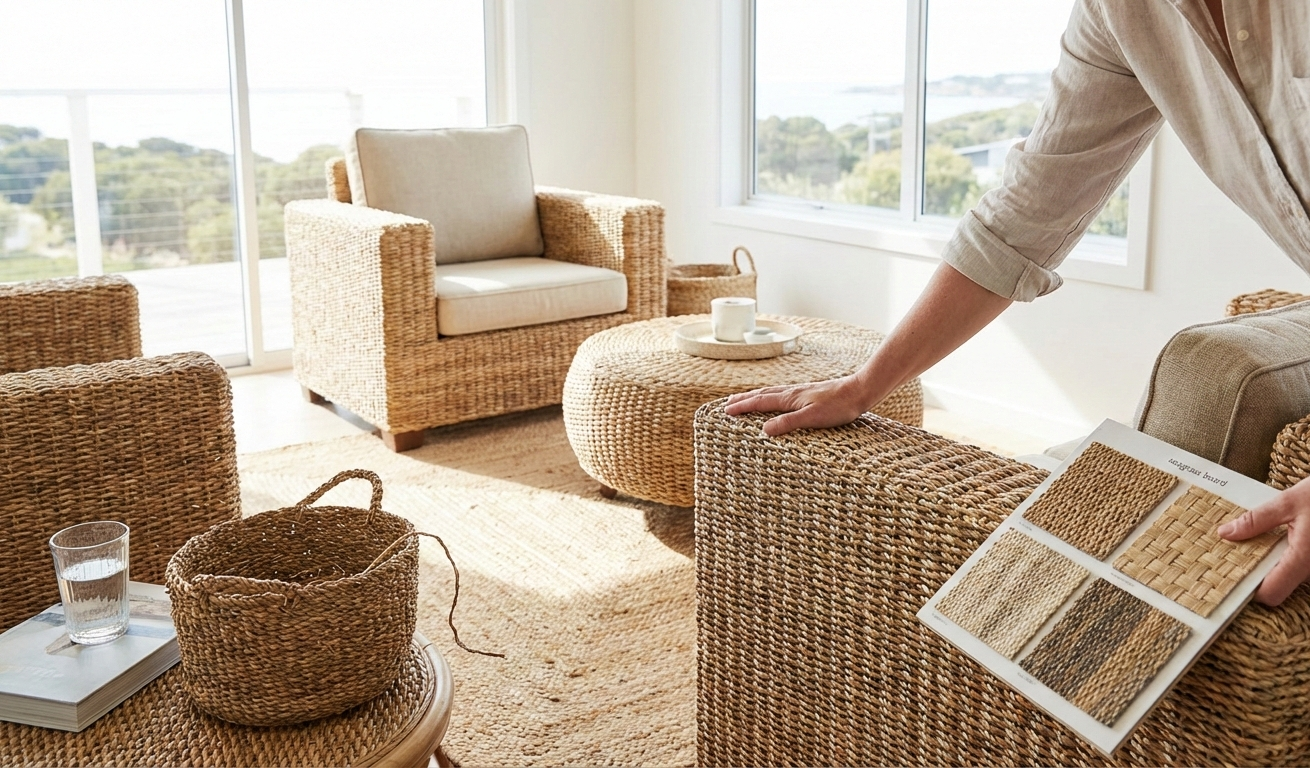
Seagrass furniture has quietly moved from niche coastal decor to mainstream interior design. You’ll find it in modern apartments, boho-inspired homes, minimalist living rooms, and even luxury interiors that prioritize natural materials. Yet many buyers hesitate because they don’t fully understand what seagrass furniture actually is, how durable it is, or whether it fits their lifestyle.
This guide answers those questions clearly and honestly. Instead of surface-level inspiration, it explains the material, compares it with alternatives like rattan and wicker, and walks through durability, care, sustainability, and buying considerations. Design-focused brands such as Homeaholic approach seagrass furniture as a functional material choice, not just a visual trend. That same practical lens shapes this article.
What Is Seagrass Furniture?

Seagrass furniture is made using natural seagrass fibers harvested from coastal regions where seagrass grows in shallow saltwater. After harvesting, the grass is dried and handwoven around a supportive frame, typically wood or metal.
Unlike synthetic fibers, seagrass retains its natural texture, subtle color variations, and organic feel. This is why no two pieces of seagrass furniture look exactly the same.
Key characteristics:
- Natural plant-based fiber
- Handwoven construction
- Neutral earthy tones
- Slight texture and variation
- Typically used for indoor furniture
Why Seagrass Furniture Is So Popular

Seagrass furniture ranks well in search because it satisfies multiple buyer motivations at once.
First, it appeals to people who want natural and eco-conscious materials. Second, it fits multiple design styles without dominating a space. Third, it offers texture without visual clutter.
Designers often choose seagrass furniture because it:
- Softens modern interiors
- Adds warmth to minimalist rooms
- Complements coastal and boho styles
- Feels organic without feeling rustic
- Ages gracefully over time
Is Seagrass Furniture Durable?
Durability is one of the most searched concerns around seagrass furniture.
The Honest Answer:
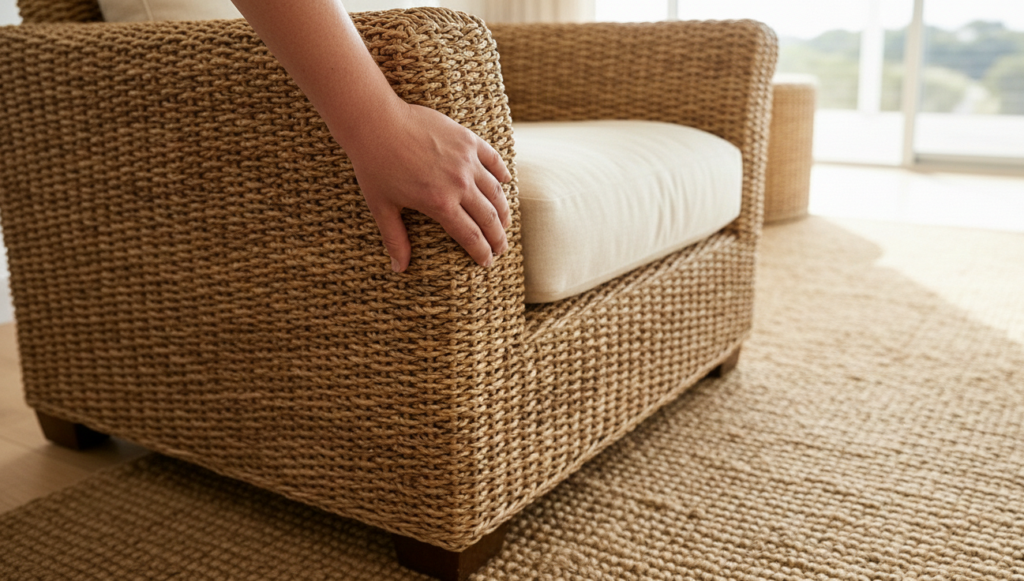
Seagrass furniture is durable for indoor, low-to-moderate use, but it is not indestructible. The strength comes from the tightness of the weave and the quality of the underlying frame, not from the fiber alone.
Well-made seagrass furniture:
- Holds shape well
- Resists sagging when tightly woven
- Performs best in dry indoor environments
- Can last many years with proper care
However, it is not designed for heavy outdoor exposure or high-moisture conditions.
Seagrass Furniture Pros and Cons:
Advantages
- Natural, eco-friendly material
- Lightweight yet structured
- Neutral color that matches most palettes
- Adds texture without heaviness
- Handcrafted appearance
- Sustainable when responsibly sourced
Disadvantages
- Sensitive to moisture
- Not ideal for outdoor use
- Can absorb humidity if poorly ventilated
- Requires gentle cleaning
- Less flexible than rattan in tight curves
High-ranking competitor pages always include this balance. It builds trust and reduces buyer hesitation.
Seagrass vs Rattan vs Wicker: What’s the Difference?
Comparison content is essential for AI Overviews and buyer decision-making.
Seagrass
- Material: Natural aquatic plant
- Texture: Smooth with subtle sheen
- Best for: Indoor furniture, decor pieces
- Style fit: Coastal, boho, modern-natural
Rattan
- Material: Climbing palm vine
- Texture: Flexible and bendable
- Best for: Chairs, curved furniture, indoor-outdoor hybrids
- Style fit: Boho, tropical, classic
Wicker
- Material: Weaving technique, not a material
- Texture: Depends on fiber used
- Best for: Both natural and synthetic furniture
- Style fit: Wide range
Seagrass is chosen for texture and sustainability. Rattan is chosen for shape flexibility. Wicker describes the method, not the substance.
Where Seagrass Furniture Works
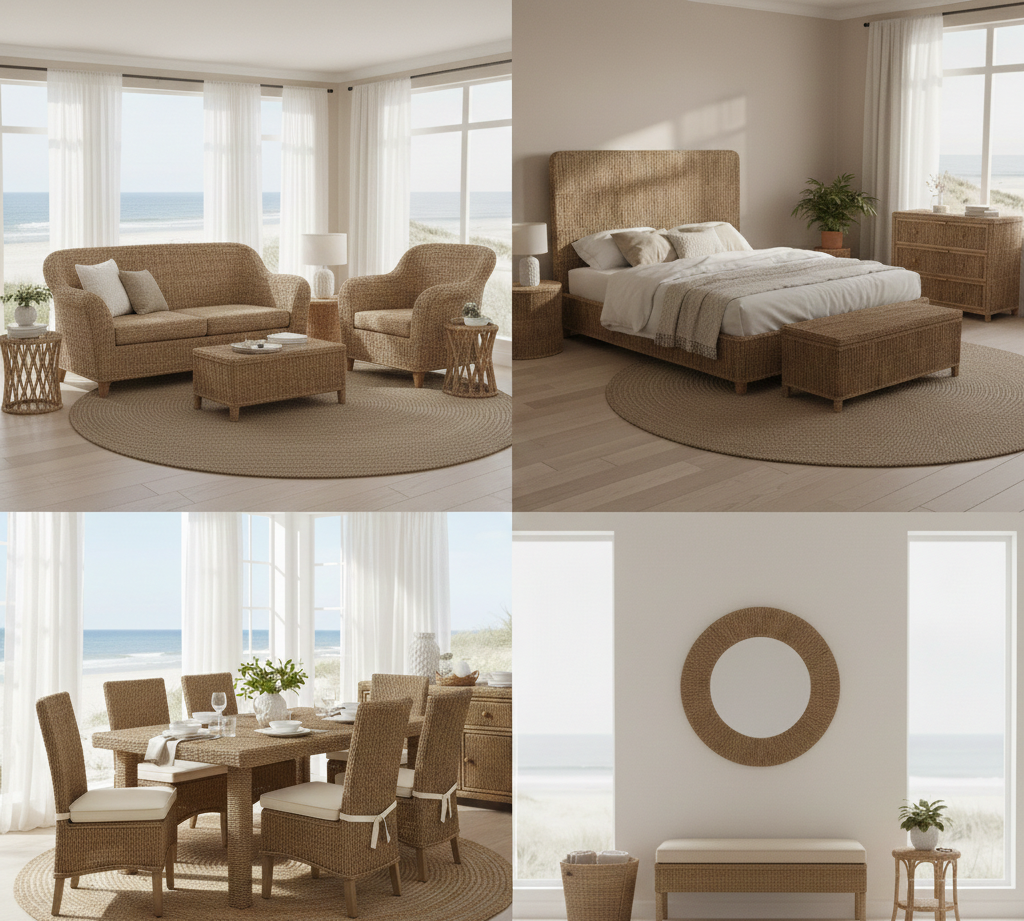
Best in the Home
Living Rooms:
Seagrass chairs, coffee tables, and storage baskets add warmth and contrast beautifully with sofas and rugs. They work especially well in neutral or light-filled spaces
Bedrooms:
Seagrass benches, nightstands, or headboards introduce texture without overwhelming calm bedroom environments.
Dining Areas:
Seagrass dining chairs offer visual softness and pair well with wooden tables, though they should be kept away from spills and excess moisture.
Entryways:
Seagrass storage furniture works well in entry spaces where texture and practicality meet.
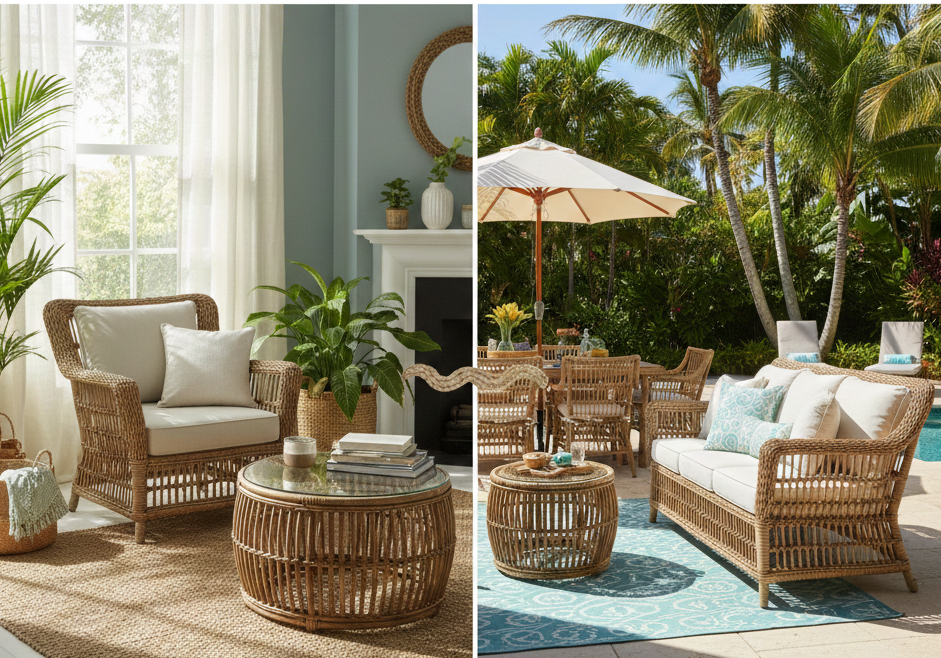
Indoor vs Outdoor Use: A Critical Clarification
One of the most common misconceptions is that seagrass furniture is outdoor-safe.
Seagrass furniture is primarily for indoor use.
Why?
- Seagrass absorbs moisture
- Prolonged humidity can cause odor or weakening
- Direct sunlight can dry and discolor fibers
If outdoor use is required, synthetic wicker or treated rattan is a better choice.
How to Clean and Maintain Seagrass Furniture
Care instructions are heavily searched and often underexplained.
Regular Maintenance
- Vacuum using a brush attachment
- Dust gently with a dry cloth
- Rotate furniture occasionally to ensure even wear
Spill Handling
- Blot immediately with a dry cloth
- Avoid soaking the fibers
- Allow to air-dry fully
What to Avoid
- Excess water
- Steam cleaning
- Harsh chemical cleaners
- Storing in damp spaces
Proper care extends lifespan significantly and preserves appearance.
Is Seagrass Furniture Sustainable?
Seagrass is considered environmentally friendly because:
- It grows quickly and regenerates naturally
- Harvesting requires minimal processing
- It is biodegradable
- It supports artisan weaving communities
When paired with responsibly sourced frames, seagrass furniture aligns well with eco-conscious home design.
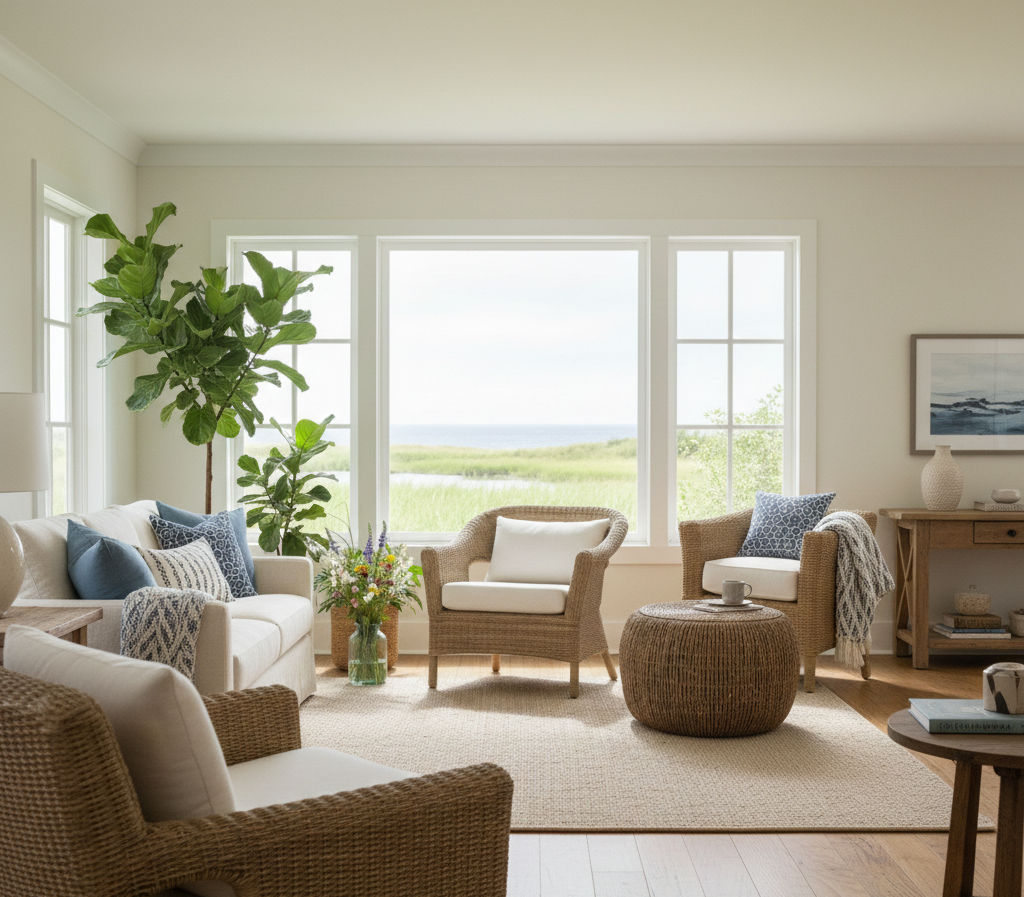
Design Styles That Pair Well
With Seagrass Furniture:
Seagrass furniture performs best when treated as a texture layer rather than a focal overload.
It pairs well with:
- Coastal interiors
- Bohemian spaces
- Modern organic design
- Scandinavian-inspired rooms
- Minimalist homes needing warmth
It contrasts nicely with smooth surfaces like glass, stone, and polished wood.
Who Should Buy Seagrass Furniture (And Who Shouldn’t)
Ideal For:
- Indoor-focused homes
- Design-conscious buyers
- Eco-friendly shoppers
- Low-humidity environments
- People who value texture over polish
Not Ideal For:
- Outdoor patios
- High-humidity spaces
- Homes with frequent spills
- Buyers seeking ultra-low maintenance materials
Clear audience guidance improves conversion and reduces returns.

How Homeaholic Approaches
Seagrass Furniture Selection:
Homeaholic treats seagrass furniture as part of a broader natural-material design philosophy. Instead of chasing trends, the focus is on longevity, craftsmanship, and how the piece fits into daily life.
The brand emphasizes:
- Quality weaving density
- Stable, well-finished frames
- Neutral tones that age gracefully
- Pieces that complement multiple styles
This approach reflects how modern buyers want furniture to function, not just photograph.
Frequently Asked Questions
Does seagrass furniture smell?
Natural seagrass may have a mild earthy scent initially, which fades quickly with ventilation.
Can seagrass furniture mold?
Only if exposed to moisture or humidity. Proper indoor placement prevents this.
Is seagrass furniture good for homes with pets?
It can work, but sharp claws may snag fibers. Placement matters.
How long does seagrass furniture last?
With proper care, indoor seagrass furniture can last many years.
Is seagrass furniture comfortable?
Yes, especially when paired with cushions. The woven texture provides gentle support.












0 Comments