
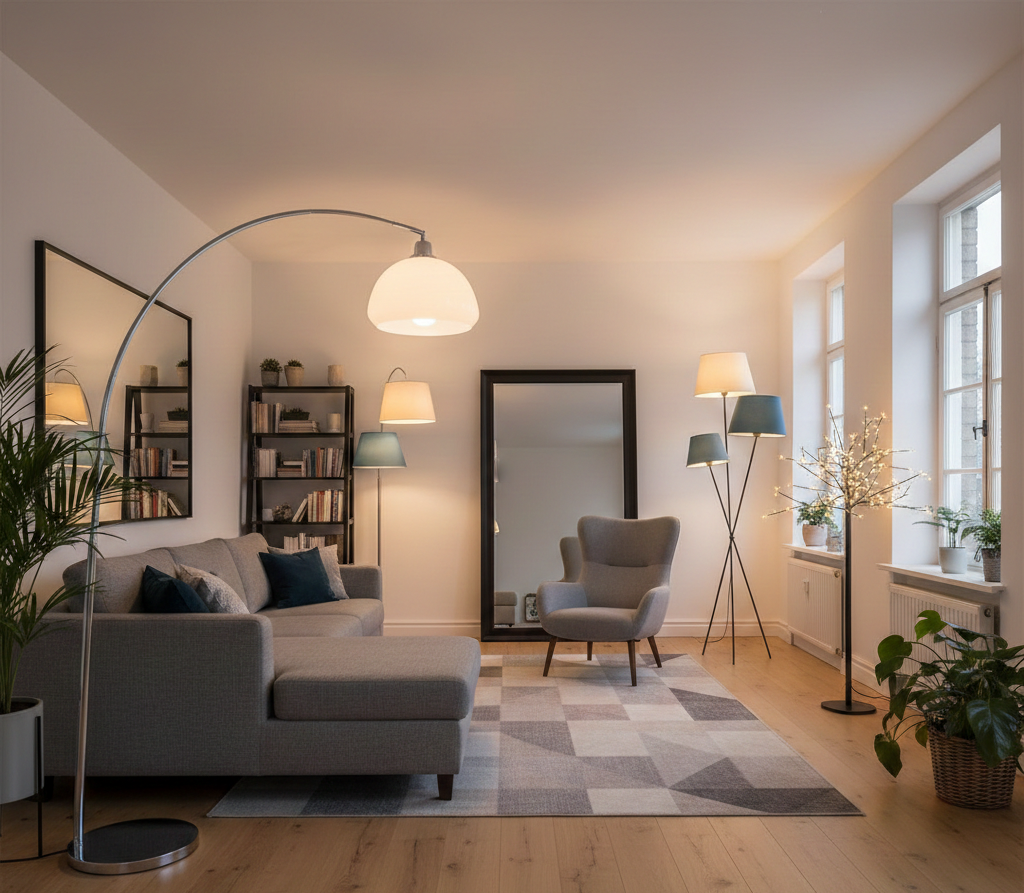
Floor lamps are one of the most flexible and underrated lighting solutions in a home. They add light exactly where it’s needed, shape the mood of a room, and often eliminate the need for harsh overhead lighting. The right floor lamp depends on its purpose, brightness in lumens, height, shade design, and placement. When chosen correctly, a floor lamp improves comfort, visibility, and visual balance without permanent installation.
This guide breaks down everything you need to know about floor lamps, from types and measurements to glare control, safety, and smart features, so you can choose with confidence rather than guesswork.
What Are Floor Lamps and How Do They Work?
Short answer: Floor lamps are free-standing light fixtures designed to provide ambient, task, or accent lighting without ceiling installation.
A floor lamp works by positioning a light source at standing height, allowing it to distribute light horizontally or upward instead of straight down like ceiling fixtures. This changes how light interacts with walls, furniture, and people in the room.
Unlike table lamps, floor lamps can:
- Light larger areas
- Reach above furniture lines
- Be moved easily as layouts change
Most floor lamps consist of four core parts: a base for stability, a vertical pole or arm, a light source, and a shade or diffuser. How these elements are combined determines the lamp’s function, brightness spread, and visual style.
Floor lamps are often used as part of layered lighting, where ambient, task, and accent lighting work together to create comfort and depth.
What Are the Main Types of Floor Lamps?
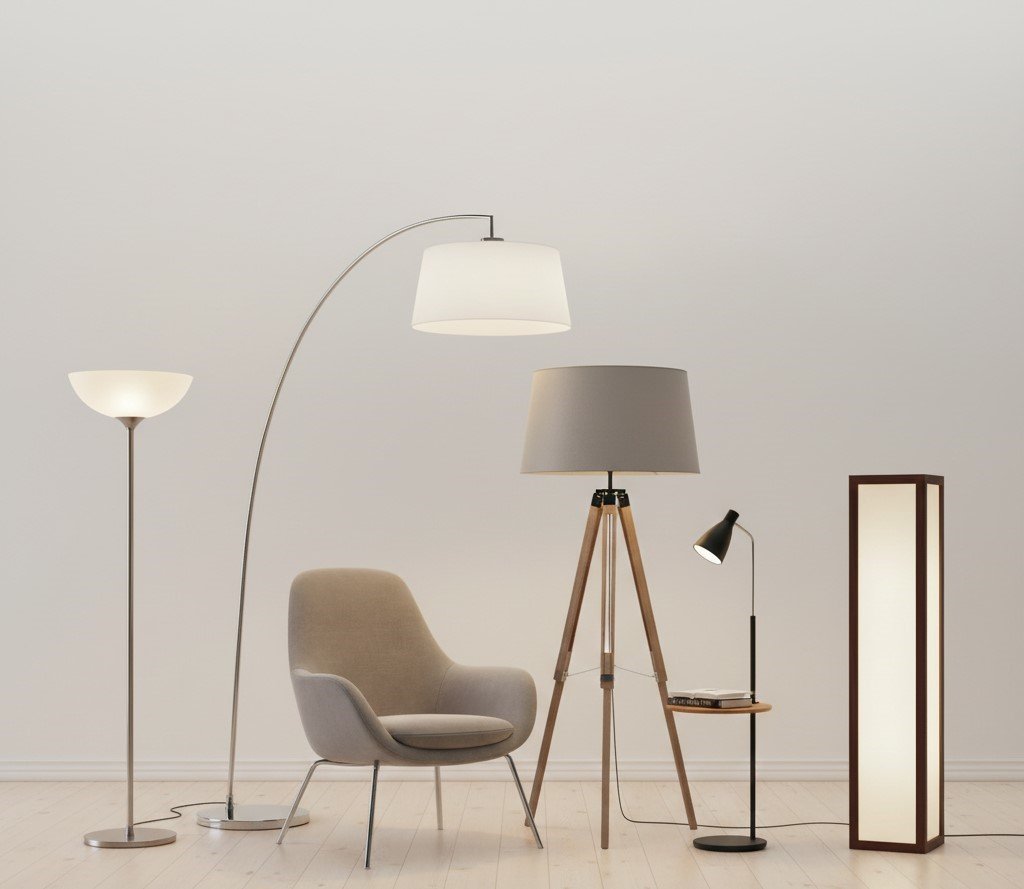
Short answer: Different floor lamp types are designed for different lighting purposes and room layouts.
Understanding floor lamp types prevents buying a lamp that looks good but performs poorly. Below are the most common types and what they are best used for.
Arc Floor Lamps
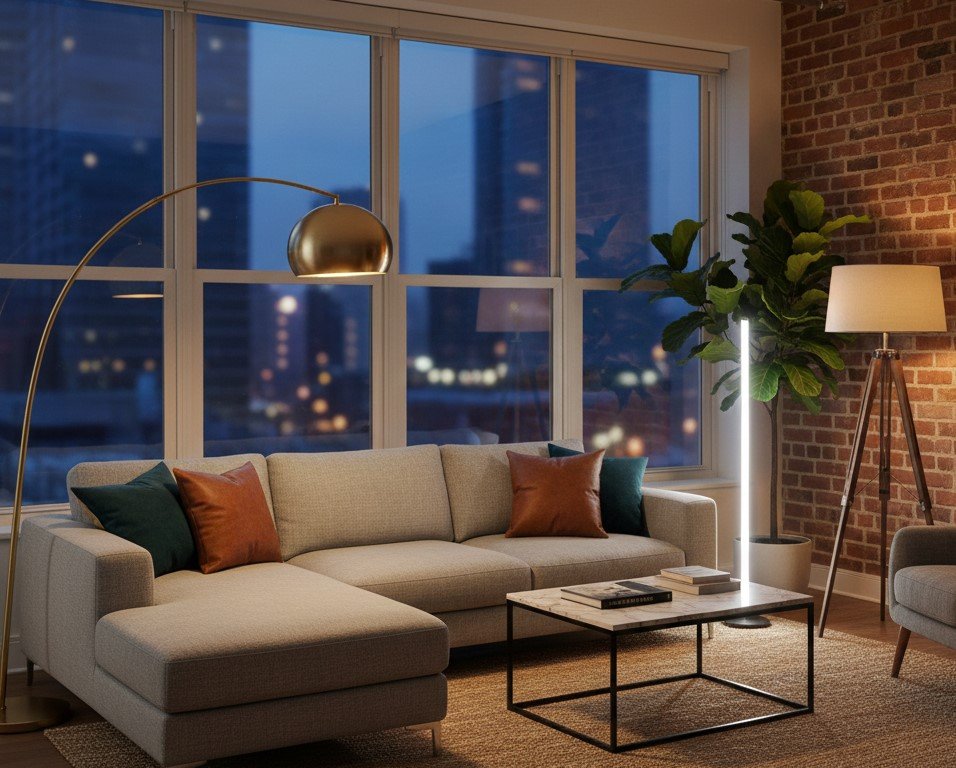
Arc lamps feature a curved arm that extends outward, allowing the light to hover over seating areas or tables. They are ideal when you want overhead-style lighting without ceiling fixtures. Arc lamps work best in living rooms beside sofas or sectionals.
Tripod Floor Lamps
Tripod lamps use three legs for support and often feature decorative shades. They balance style and function and work well as ambient lighting in living rooms and bedrooms.
Torchiere (Uplighter) Lamps
Torchiere lamps direct light upward toward the ceiling. This creates soft, indirect ambient light. They are excellent for rooms that feel dark or cramped but are not ideal for reading tasks on their own.
Task or Reading Floor Lamps
These lamps provide focused, directional light and are designed for reading or close work. They usually have adjustable arms or heads and higher brightness.
Column and Shelf Floor Lamps
Column lamps distribute light evenly along a vertical structure, while shelf lamps combine lighting with storage. These are best for ambient lighting and decorative purposes.
Each type solves a different problem. Choosing based on use is more important than choosing based on appearance alone.
How Do You Choose the Right Floor Lamp for Your Room?
Short answer: Choose based on purpose first, then size, brightness, and style.
Before looking at styles or finishes, answer one question: What do you want the lamp to do?
- If the goal is reading, you need focused light with sufficient lumens.
- If the goal is mood or ambiance, indirect or shaded lamps work better.
- If the goal is filling a dark corner, height and light spread matter most.
Next, consider room size and furniture scale. A tall lamp with a wide shade can overwhelm a small room, while a short lamp may disappear next to a large sectional.
Finally, style should support the room rather than compete with it. Floor lamps act as visual anchors, so they should echo materials, finishes, or shapes already present.
How Many Lumens Should a Floor Lamp Have?
Short answer: Most floor lamps need between 800 and 1,600 lumens, depending on use.
Lumens measure brightness, not wattage. Choosing the wrong lumen level is one of the most common floor lamp mistakes.
Floor Lamp Brightness Guide
| Use Case | Recommended Lumens |
| Soft ambient lighting | 400–800 lm |
| General room lighting | 800–1,200 lm |
| Reading or task lighting | 1,000–1,600 lm |
| Dark corners or large rooms | 1,600+ lm |
Reading lamps should deliver enough light directly onto the task area without lighting the entire room. Ambient lamps should spread light gently without harsh shadows.
Always consider whether the lamp is dimmable. Dimming allows flexibility and prevents over-lighting.
What Height Should a Floor Lamp Be Next to a Sofa or Chair?
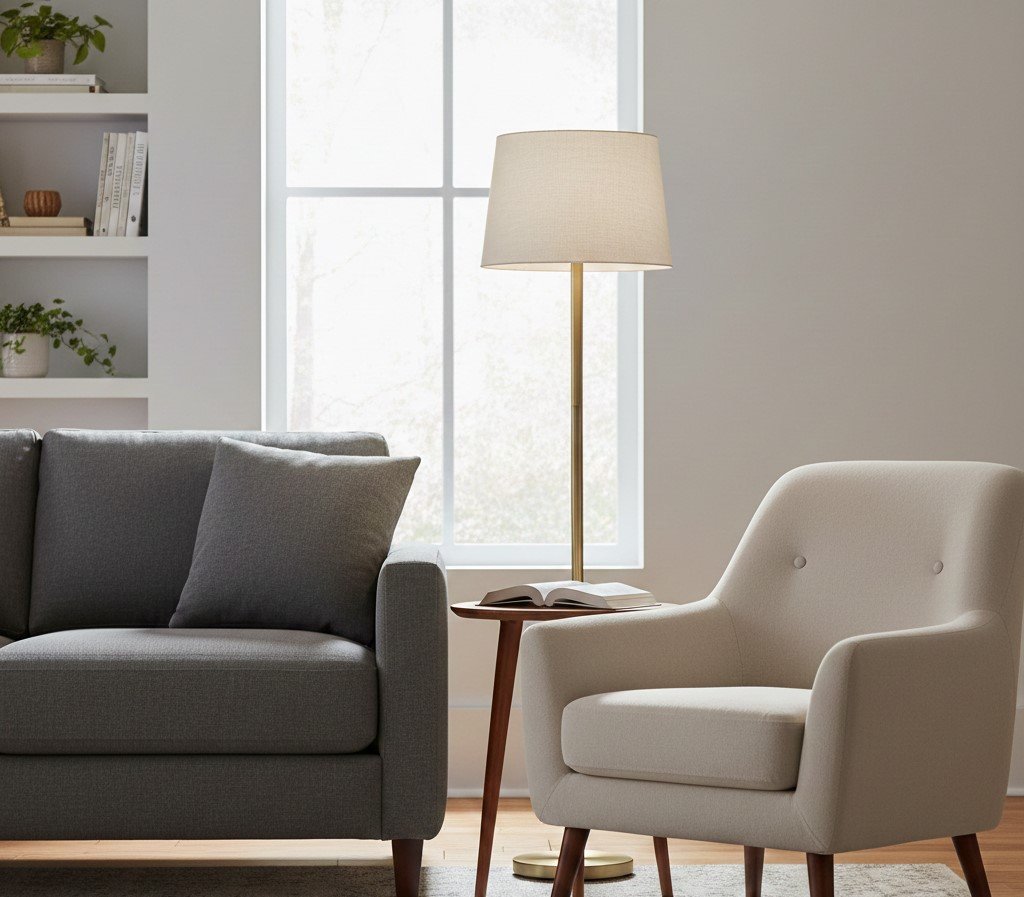
Short answer: The bottom of the shade should sit at or slightly below eye level when seated.
Height determines comfort. A lamp that is too tall causes glare, while one that is too short creates shadows.
General height guidelines:
- Overall lamp height: 58–64 inches for seating areas
- Shade bottom: at seated eye level or lower
- Adjustable lamps: allow fine-tuning for reading
Arc lamps often need extra height to clear furniture, while reading lamps benefit from lower, adjustable heads.
Measuring before buying avoids awkward proportions.
Where Should You Place a Floor Lamp in a Room?
Short answer: Place floor lamps where they support seating, corners, or pathways without blocking movement.
Common placements include:
- Beside sofas or armchairs
- In dark corners to visually expand space
- Near walls to bounce light indirectly
- Behind or beside sectionals
Avoid placing lamps where cords cross walkways or where the base can be easily knocked over. Good placement improves both safety and lighting effectiveness.
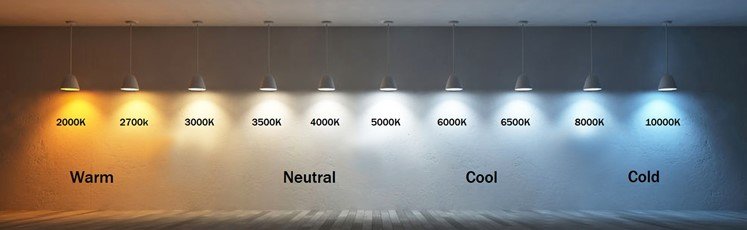
Warm vs Cool Light: Which Color Temperature Is Best for Floor Lamps?
Short answer: Warm light works best for living spaces, neutral light for tasks.
Color temperature is measured in Kelvin (K). It affects how comfortable or energizing a room feels.
- 2700–3000K: Warm, cozy, ideal for living rooms and bedrooms
- 3500–4000K: Neutral, suitable for reading and work
- 5000K+: Cool, rarely suitable for homes
For most homes, warm or neutral light creates the best balance. Cooler light can feel harsh when used at eye level.
What Is CRI and Why Does It Matter for Floor Lamps?
Short answer: CRI measures how accurately light shows colors.
CRI (Color Rendering Index) ranges from 0 to 100. Higher CRI means colors appear more natural.
- CRI 80: Acceptable for general use
- CRI 90+: Ideal for living spaces and reading
A high CRI floor lamp makes rooms feel warmer and more comfortable, especially in the evening.
How Do You Avoid Glare and Harsh Light From Floor Lamps?
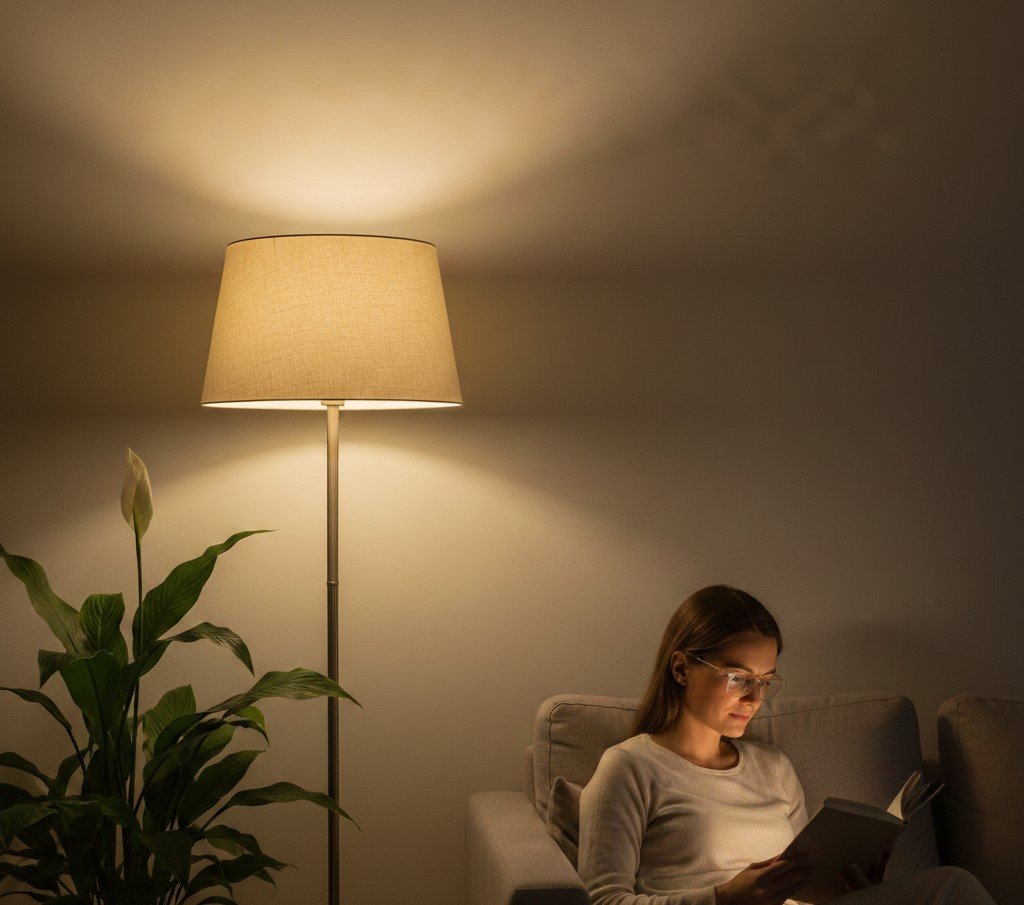
Short answer: Control shade height, bulb type, and light direction.
Glare occurs when light hits your eyes directly. To avoid it:
- Choose opaque or fabric shades
- Keep bulbs hidden below eye level
- Use diffused or frosted bulbs
- Avoid clear bulbs in open shades
Indirect lighting, such as torchiere lamps or wall-bouncing light, reduces glare and eye strain.
Are Smart Floor Lamps and Integrated LED Lamps Worth It?
Short answer: They’re worth it for convenience, but not always flexibility.
Smart floor lamps allow app control, scheduling, and voice commands. They are useful in modern smart homes but often cost more.
Integrated LED lamps offer efficiency and slim designs but limit bulb replacement. If the LED fails, the entire lamp may need replacing. A flexible alternative is a standard floor lamp paired with a smart bulb. This approach offers control without long-term risk.
Are Floor Lamps Safe Around Kids and Pets?
Short answer: Yes, when stability and cord management are considered.
Safety tips:
- Choose lamps with heavy, wide bases
- Avoid thin, top-heavy designs
- Secure or hide cords
- Avoid glass shades in active areas
In homes with pets or children, stability matters as much as brightness.
Floor Lamp vs Table Lamp: Which One Should You Choose?
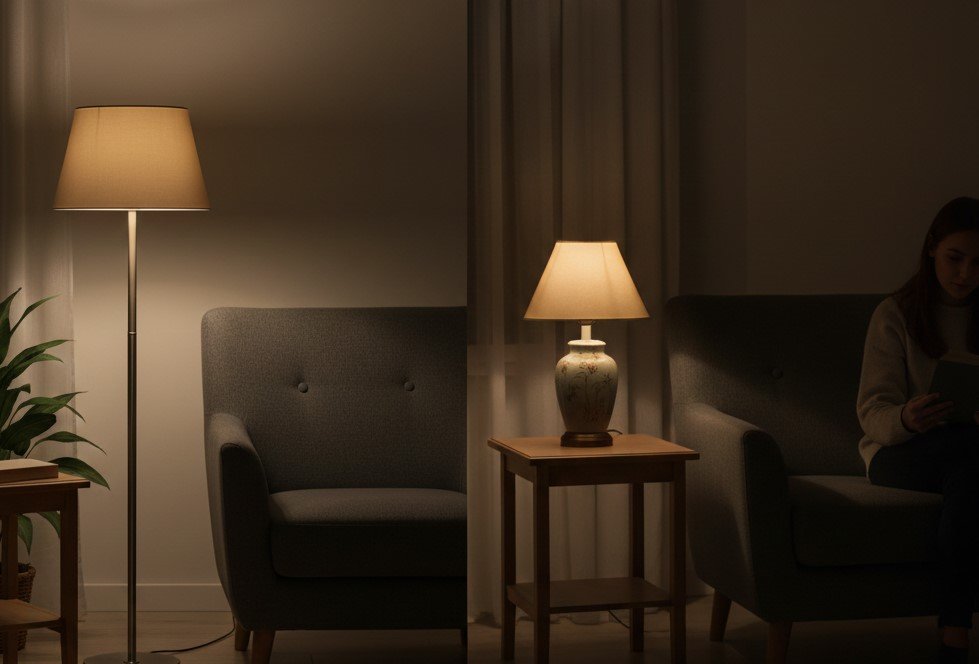
Short answer: Floor lamps light larger areas, table lamps offer localized light.
Floor lamps:
- Cover more space
- Work well in corners and beside seating
- Don’t require furniture surfaces
Table lamps:
- Offer focused light
- Require tables or shelves
- Are better for bedside use
Many rooms benefit from using both together.
What Are the Most Common Floor Lamp Buying Mistakes?
Short answer: Choosing style over function.
Common mistakes include:
- Ignoring lumen output
- Buying lamps that are too tall or short
- Choosing clear shades that cause glare
- Forgetting dimming options
- Overlooking base stability
A good-looking lamp that performs poorly quickly becomes frustrating.
How to Match a Floor Lamp With Your Interior Style
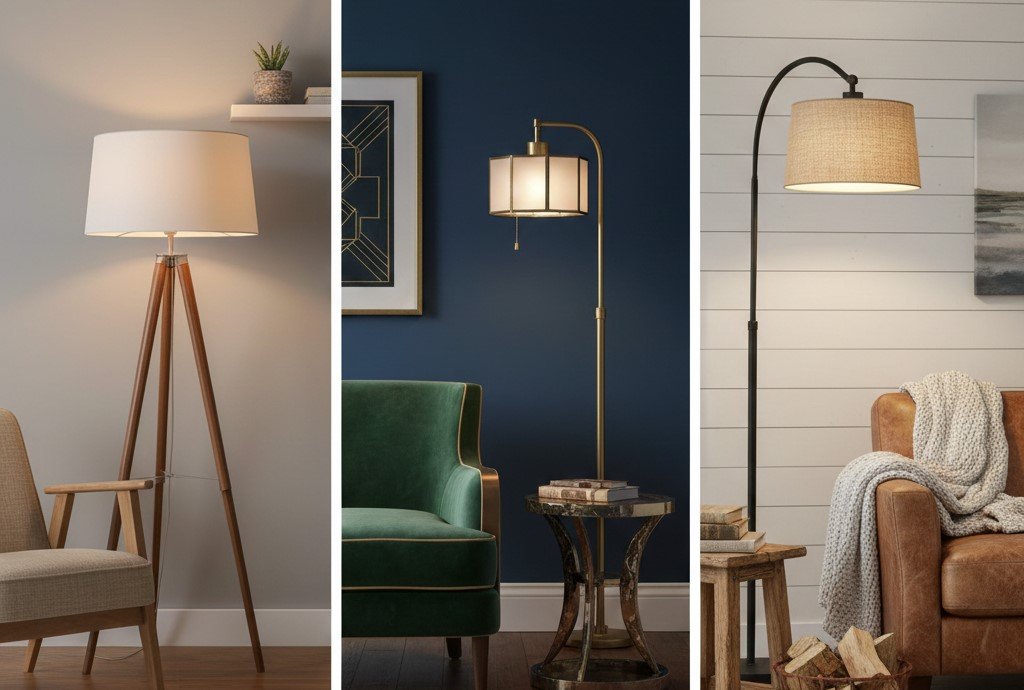
Short answer: Match materials and proportions, not trends.
- Modern interiors suit clean lines and metal finishes
- Scandinavian styles pair well with light wood and fabric shades
- Industrial spaces favor metal and exposed elements
- Traditional rooms benefit from warm finishes and classic shades
The lamp should support the room’s style, not dominate it.
When Can a Floor Lamp Replace Overhead Lighting?
Short answer: When used in pairs or combined with wall lighting.
In smaller rooms or apartments, multiple floor lamps can replace ceiling lights entirely. Using two or three lamps creates layered light without harsh shadows.
This approach works especially well in living rooms and bedrooms.
Floor Lamp Types vs Best Use Cases (Comparison Table)
| Type | Best For | Light Direction | Typical Height | Key Advantage |
| Arc | Sofas, sectionals | Downward | Tall | Overhead reach |
| Tripod | Ambient light | Diffused | Medium | Decorative balance |
| Torchiere | Room lighting | Upward | Tall | Soft ambiance |
| Reading | Task lighting | Adjustable | Medium | Focused light |
| Column | Mood lighting | Diffused | Tall | Even glow |
Mini Case: Fixing a Dark Living Room With One Floor Lamp
A small living room relied on a single ceiling light, creating harsh shadows. By adding a 1,200-lumen arc floor lamp beside the sofa and using a 3000K bulb, the space felt brighter and calmer. The ceiling light was rarely used afterward, reducing glare and improving comfort.
Floor Lamp Buying Checklist
- Define purpose (ambient, task, accent)
- Choose correct lumen range
- Check height relative to seating
- Select proper shade type
- Ensure base stability
- Decide on dimming or smart features
- Match materials to room style
How Do Floor Lamps Fit Into a Layered Lighting Plan?
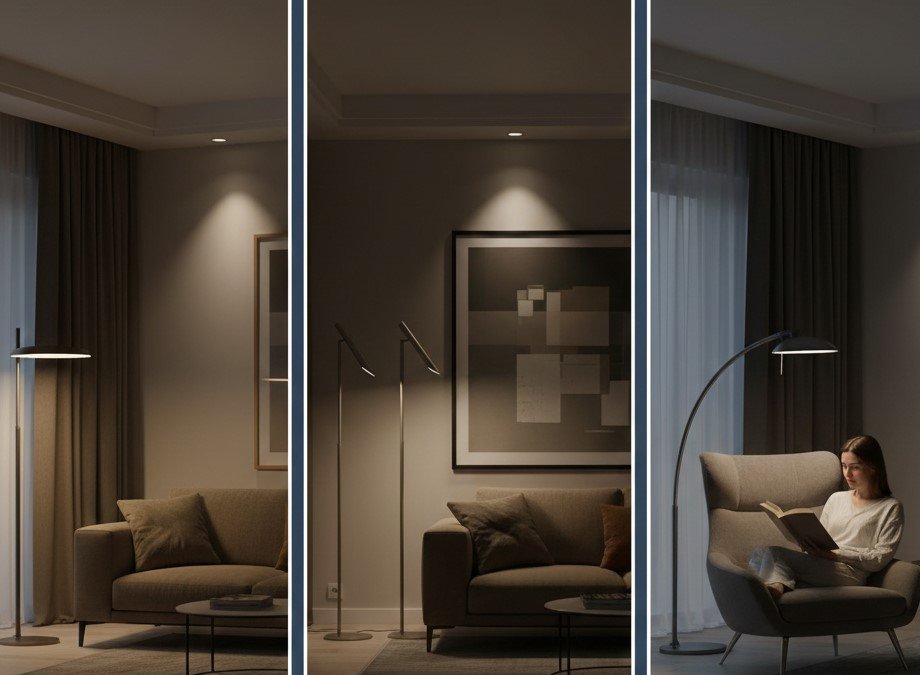
Short answer: Floor lamps work best when combined with other light sources instead of acting alone.
Professional lighting design relies on layered lighting, which combines three elements:
- Ambient lighting for general brightness
- Task lighting for focused activities
- Accent lighting for depth and mood
Floor lamps often sit between ambient and task lighting. A torchiere floor lamp supports ambient lighting by bouncing light off ceilings and walls. A reading floor lamp provides targeted task lighting without lighting the whole room.
When floor lamps are layered correctly:
- Overhead lights are used less often
- Shadows are reduced
- Rooms feel larger and calmer
A common mistake is expecting one floor lamp to replace all lighting. Instead, floor lamps should support other light sources, such as table lamps or wall sconces. This creates balance rather than glare.
Can Floor Lamps Improve Small Rooms and Apartments?
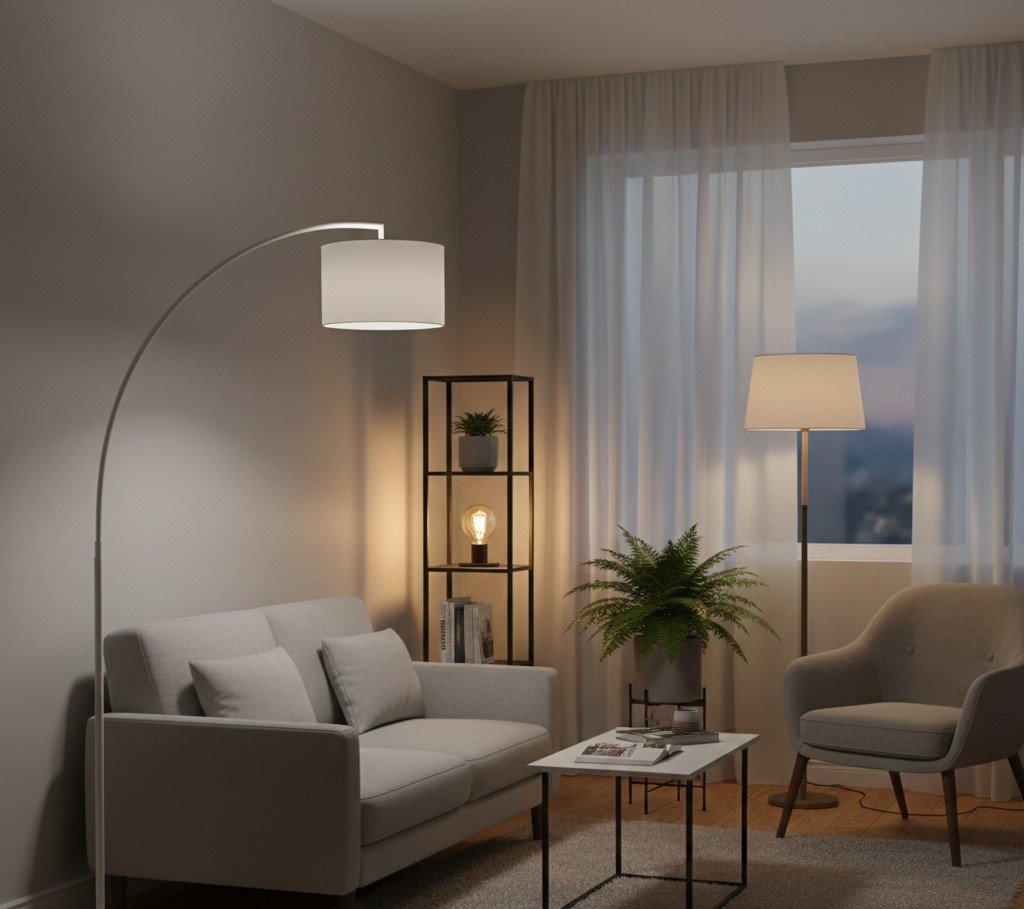
Short answer: Yes, floor lamps often perform better than ceiling lights in small spaces.
In small rooms, ceiling lights can feel harsh because light is concentrated in one spot. Floor lamps distribute light horizontally, which makes walls feel farther apart.
Best floor lamp strategies for small rooms:
- Use uplighters or shaded lamps instead of exposed bulbs
- Place lamps in corners to visually expand space
- Choose slim bases and vertical designs
- Avoid wide shades that crowd furniture
A tall floor lamp with upward light can visually raise the ceiling. This is especially useful in apartments with low ceilings or limited natural light. In studio apartments, floor lamps also help define zones, such as separating living and sleeping areas without physical dividers.
How Do Floor Lamps Affect Mood and Eye Comfort?
Short answer: Floor lamps create softer light that reduces eye strain and mental fatigue.
Eye comfort is affected by:
- Brightness level
- Direction of light
- Contrast between light and dark areas
Ceiling lights often create high contrast, which forces the eyes to constantly adjust. Floor lamps reduce this by spreading light at eye level and across walls.
Benefits of floor lamps for comfort:
- Softer transitions between light and shadow
- Reduced glare on screens and books
- Less visual fatigue in the evening
Warm color temperatures paired with diffused shades signal the body to relax. This is why floor lamps are commonly used in living rooms and bedrooms rather than kitchens or workspaces.
What Bulb Type Is Best for Floor Lamps?
Short answer: LED bulbs are the best choice for most floor lamps.
Modern LED bulbs outperform older bulb types in almost every way:
- Lower energy use
- Less heat
- Longer lifespan
- Better dimming options
When choosing an LED bulb for a floor lamp, focus on:
- Lumens, not watts
- Color temperature (2700–3000K for living spaces)
- CRI rating (90+ preferred)
Avoid ultra-cheap LEDs. Poor-quality bulbs flicker, hum, or fail early, especially in dimmable lamps.
If your floor lamp uses an integrated LED module, check:
- Expected lifespan in hours
- Whether the LED is replaceable
- Warranty coverage
Integrated LEDs look sleek but reduce long-term flexibility.
What Base Weight and Stability Should a Floor Lamp Have?
Short answer: Heavier bases equal safer lamps.
Stability is one of the most overlooked buying factors. A tall lamp with a narrow base is a tipping hazard, especially in homes with pets or children.
General stability guidelines:
- Base diameter should increase with lamp height
- Marble or metal bases offer better weight distribution
- Tripod lamps offer natural stability
- Thin pole lamps need extra base weight
Before buying, consider foot traffic and cord placement. A stable lamp not only prevents accidents but also feels more premium and intentional.
How Do You Choose a Floor Lamp for Reading Without Eye Strain?
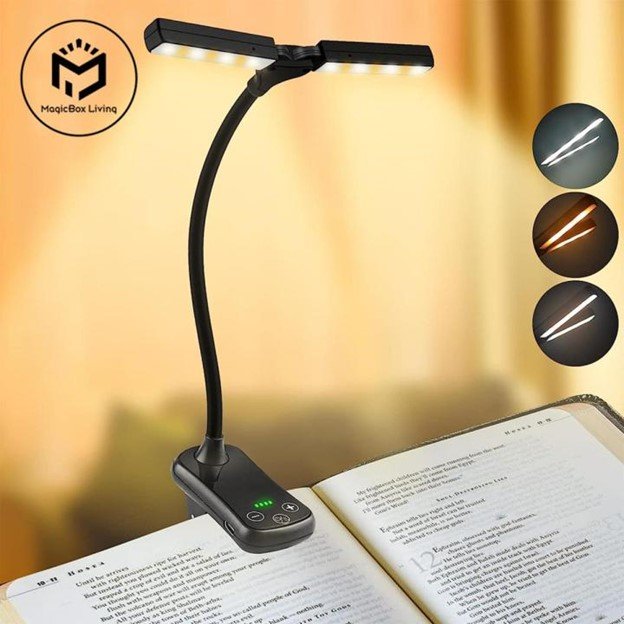
Short answer: Choose focused light with correct height and angle.
Reading floor lamps should:
- Deliver 1,000–1,600 lumens
- Have adjustable heads or arms
- Aim light downward onto the page
- Sit slightly behind or beside the reader
Avoid lamps that shine directly into the eyes or reflect off glossy pages. A warm-neutral color temperature around 3000–3500K provides clarity without harshness.
Adjustability matters more than brightness. The ability to fine-tune direction prevents shadows and glare.
Are Floor Lamps Energy Efficient?
Short answer: Yes, when paired with LED technology.
A modern LED floor lamp typically uses 8–15 watts, compared to older incandescent lamps that used 60 watts or more.
Energy efficiency benefits:
- Lower electricity bills
- Less heat output
- Longer bulb life
Dimmable lamps further reduce energy use by allowing lower brightness during evenings. Over time, LED floor lamps pay for themselves through reduced power consumption.
How Do You Maintain and Clean Floor Lamps Properly?
Short answer: Regular dusting and shade care preserve performance and appearance.
Dust reduces brightness and dulls finishes. Maintenance tips:
- Dust shades and bulbs monthly
- Wipe metal or wood bases with a dry cloth
- Avoid spraying cleaners directly onto electrical parts
- Replace bulbs before they dim significantly
Fabric shades trap dust and odors. Vacuum gently using a brush attachment or spot clean when needed.
Clean lamps perform better and last longer.
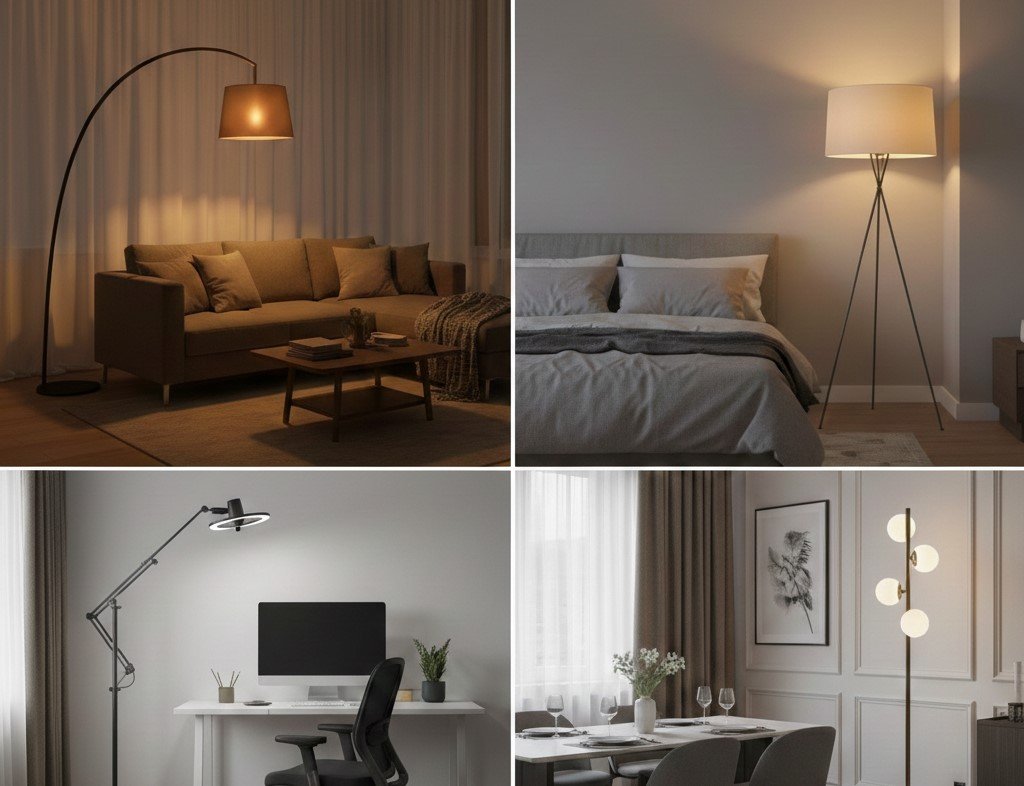
How Do Floor Lamps Compare Across Different Rooms?
Short answer: Each room benefits from a different floor lamp role.
Living Rooms
- Arc lamps for seating
- Tripod or column lamps for ambiance
- Multiple lamps for layered lighting
Bedrooms
- Slim reading lamps beside chairs
- Warm light for relaxation
- Alternatives to bedside table lamps
Home Offices
- Task-focused lamps with neutral light
- Adjustable heads to reduce screen glare
Dining Areas
- Accent lamps near sideboards
- Soft light for atmosphere
Matching the lamp’s purpose to the room prevents over- or under-lighting.
How Many Floor Lamps Does a Room Actually Need?
Short answer: Most rooms benefit from one to three floor lamps.
Guidelines:
- Small rooms: one well-placed lamp
- Medium living rooms: two lamps for balance
- Large rooms: two to three lamps with different roles
Using multiple lamps at lower brightness often feels better than one very bright lamp. This reduces glare and improves visual comfort.
Why Floor Lamps Often Look “Wrong” Even When They’re Expensive
Short answer: Proportion, placement, or brightness is usually off.
A floor lamp can look wrong when:
- It’s too tall or too short for furniture
- The shade exposes the bulb
- The brightness overwhelms the room
- The base clashes with flooring or furniture
Lighting mistakes are rarely about price. They’re about ignoring measurements and function.
A well-chosen modest lamp almost always looks better than a designer lamp used incorrectly.
Extended Mini Case: Improving a Living Room With Two Floor Lamps Instead of One
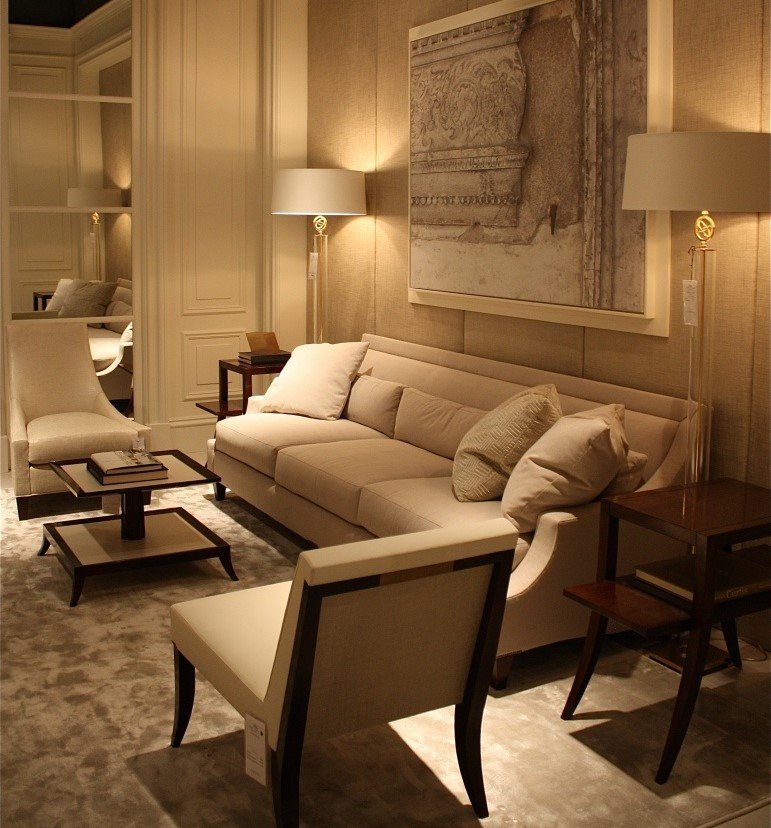
A rectangular living room relied on one bright torchiere lamp, which created uneven lighting and dark corners. The solution was not increasing brightness but adding a second floor lamp.
Changes made:
- Replaced the torchiere with a shaded tripod lamp (900 lumens)
- Added a reading lamp near the sofa (1,200 lumens)
- Reduced overhead lighting usage
The result was even illumination, reduced glare, and improved comfort. Total energy use decreased despite using two lamps.
This demonstrates how distribution beats brightness.
Expanded Floor Lamp Buying Checklist (Detailed Version)
Before purchasing, confirm:
- Primary purpose (reading, ambient, accent)
- Required lumens for the task
- Correct lamp height relative to seating
- Shade design that hides the bulb
- Stable, weighted base
- LED compatibility
- Dimming or smart control needs
- Cord length and routing
- Room size and furniture scale
If any of these feel unclear, the lamp is likely a poor match.
Why Floor Lamps Are a Long-Term Design Investment
Floor lamps are reusable across rooms and layouts. Unlike ceiling fixtures, they move with you and adapt to new spaces.
A good floor lamp:
- Works in multiple rooms
- Survives furniture changes
- Supports evolving lighting needs
- Reduces reliance on renovations
This flexibility makes floor lamps one of the most cost-effective lighting upgrades in any home.
How Do You Choose the Right Floor Lamp? (Step-by-Step Decision Flow)
This step-by-step flow mirrors how lighting professionals make decisions. It replaces guesswork with logic.
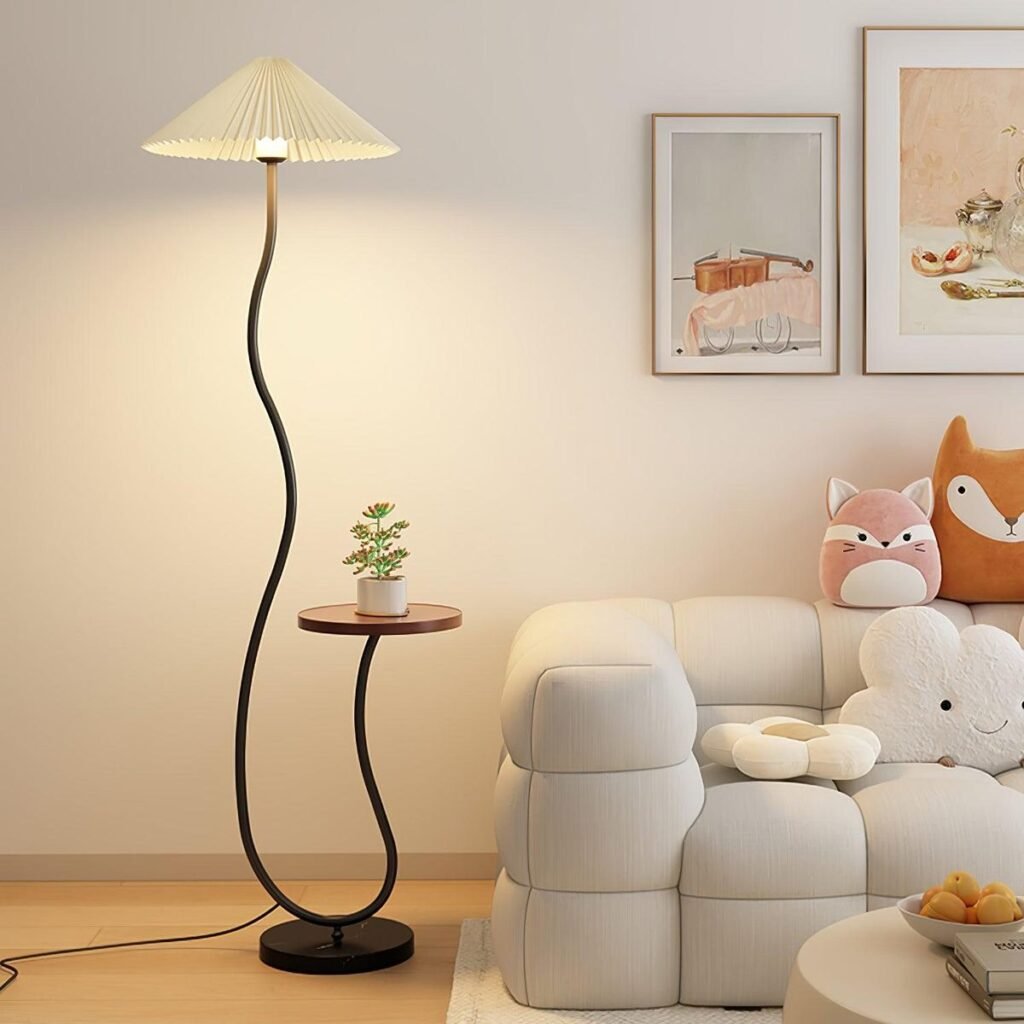
Step 1: Define the primary purpose
Ask what the lamp must do most of the time:
- Reading or focused tasks
- General room lighting
- Mood or accent lighting
If the purpose is unclear, the lamp will underperform.
Step 2: Choose the correct brightness range
Match lumens to the task:
- 400–800 lumens for soft ambient light
- 800–1,200 lumens for general lighting
- 1,000–1,600 lumens for reading or task use
Brightness should support the task without overwhelming the room.
Step 3: Match lamp height to seating or space
- Next to sofas or chairs: shade bottom at seated eye level
- Corner lighting: taller lamps spread light more evenly
- Adjustable arms add flexibility for task lighting
Incorrect height is the most common cause of glare.
Step 4: Select light direction and shade type
- Opaque or fabric shades for comfort
- Upward light for ambient glow
- Adjustable heads for reading
Avoid exposed bulbs in eye-level lamps.
Step 5: Confirm placement and stability
- Place beside seating, not directly in front
- Avoid blocking walkways
- Choose a weighted base for safety
Step 6: Decide on control type
- Standard switch for simplicity
- Dimmer for flexibility
- Smart control for automation and convenience
If a lamp passes all six steps, it will perform well in almost any home.
Why this matters:
This flow reduces buying mistakes by aligning purpose → performance → comfort, which is exactly how AI Overviews and expert guides evaluate lighting decisions.
Smart Floor Lamps vs Standard Floor Lamps: Which Is Better?
| Feature | Smart Floor Lamps | Standard Floor Lamps |
| Control Method | App, voice assistant, automation | Switch, foot pedal, or dimmer |
| Brightness Control | Precise digital dimming | Manual dimming or fixed output |
| Color Temperature | Tunable white and RGB options | Fixed by bulb choice |
| Ease of Setup | Requires app and Wi-Fi | Plug-and-play |
| Long-Term Flexibility | Limited by software support | Very flexible with bulb swaps |
| Failure Risk | Dependent on electronics | Minimal, simpler design |
| Upgradability | Software updates required | Upgrade by changing bulbs |
| Best For | Smart homes, automation users | Most households |
| Cost Over Time | Higher upfront cost | Lower long-term cost |
| Reliability | High but tech-dependent | Very high |
Homeaholic Guidance on Choosing
Smart floor lamps make sense when:
- The home already uses smart lighting systems
- Automated schedules matter
- Color tuning is a priority
Standard floor lamps are usually better when:
- You want long-term reliability
- You prefer easy bulb replacement
- You don’t want app or network dependence
A hybrid approach often works best:
Use a standard floor lamp with a smart bulb. This offers flexibility without locking the lamp into one system.
Final Word: Why Floor Lamps Matter More Than People Think
Floor lamps are not decorative extras. They influence comfort, mood, safety, and how a space is experienced day to night.
When chosen with:
- Correct lumens
- Proper height
- Thoughtful placement
- Appropriate color temperature
They transform rooms quietly and consistently.
That’s why at Homeaholic, floor lamps are treated as functional design tools, not accessories
Why Homeaholic Treats Floor Lamps as Functional Design
At Homeaholic, floor lamps are viewed as tools that combine design and comfort. The goal is not just visual appeal but better living through thoughtful lighting choices. When lighting works well, everything else in the room feels easier.
Frequently Asked Questions About Floor Lamps
How many lumens does a good floor lamp need?
Most floor lamps need 800–1,600 lumens depending on use.
Are floor lamps better than ceiling lights?
They offer softer, more flexible lighting but work best when layered.
Can floor lamps be used in bedrooms?
Yes, especially as alternatives to bedside table lamps.
Do floor lamps consume a lot of power?
LED floor lamps are energy-efficient and cost little to run.
Are arc floor lamps practical?
Yes, when space allows and placement is planned.
What color temperature is best for living rooms?
Warm white, around 2700–3000K, is ideal.











0 Comments